What Are the Top 10 Lumber Yards in China?

China’s timber market is broad, regional, and shaped by both domestic production and international supply. FAO’s FAOSTAT Forestry Production and Trade database tracks wood production and trade by product and country, while China Customs publishes import data that help explain changing supply patterns. These sources provide useful context, but they do not rank individual lumber yards. A national list therefore needs careful interpretation.

This guide identifies ten notable lumber yards and timber suppliers in China, considering product range, location, sourcing information, and accessibility for buyers. A yard in Shanghai may offer imported hardwoods and finished boards; a supplier near a major manufacturing cluster may focus on panels, structural timber, or bulk orders. Details matter. Buyers should confirm stock, grading, moisture specifications, delivery terms, and documentation directly with each supplier. Company listings and online catalogs can become outdated, and public information is uneven. That is a limitation worth keeping in view. The ranking is a starting point, not an independent audit or a guarantee of quality. By combining market context from FAO and China Customs data with practical supplier checks, readers can compare options more confidently and ask better questions before requesting a quote.
What Are the Top 10 Lumber Yards in China?

Defining Lumber Yards and Their Role in China’s Timber Industry

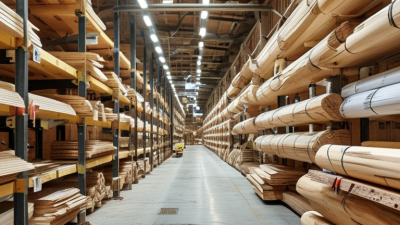
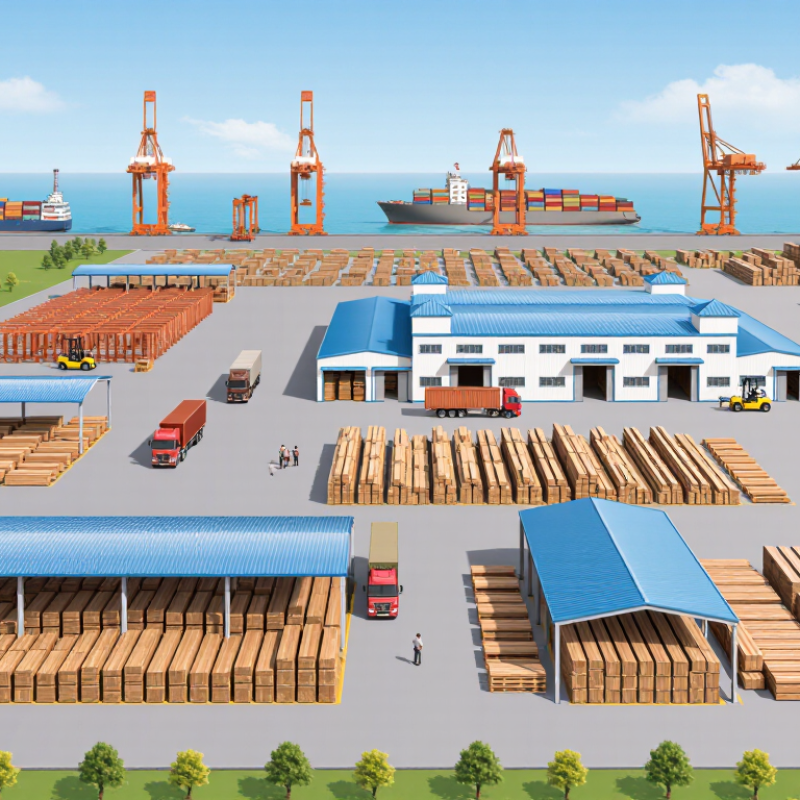
A lumber yard is a place where timber is received, stored, sorted, and prepared for sale or delivery. It is more than a stack of boards beside a road. In China, yards connect sawmills, importers, manufacturers, builders, and local buyers. Their scale varies widely, from small regional depots to large facilities serving construction and furniture production.

Inside a well-organized yard, workers separate timber by species, dimensions, grade, and intended use. They may check moisture levels, inspect visible defects, and protect stock from rain and ground dampness. These steps affect how reliably wood performs after delivery. A warped board can delay a workshop; inconsistent sizes can increase cutting waste. Details matter.

Yards also help coordinate transport and supply. Some hold stock near manufacturing clusters, while others handle orders linked to ports or inland routes. Services and inspection standards are not identical everywhere, so buyers should confirm product specifications, treatment details, and delivery conditions in writing. The term “lumber yard” can describe very different operations. That distinction is easy to miss. A ranking of China’s top yards therefore depends on what matters most: inventory, processing capacity, location, or dependable service.

Criteria for Selecting China’s Leading Lumber Yards

Choosing a leading lumber yard in China requires more than comparing price lists. Buyers should verify species, grade, dimensions, moisture content, and kiln-drying details against a physical sample. Check that the delivered boards match the quoted batch, not just a polished catalogue photograph. Details matter. Ask for clear invoices, traceable batch records, and realistic stock updates. A yard that explains a delay is often more dependable than one promising everything immediately.

Sourcing and delivery deserve equal weight. FAO’s Global Forest Resources Assessment 2020 estimated that annual deforestation fell from 10.2 million hectares in 1990–2000 to 4.7 million hectares in 2010–2020. This global finding makes transparent sourcing records a useful selection criterion, though it does not certify any individual supplier. For logistics context, the World Bank’s 2023 Logistics Performance Index gave China a score of 3.7 out of 5; that national score cannot predict one yard’s service. Ask how timber is stored, protected from rain, packed, and scheduled for dispatch. Paperwork can still be messy. Compare written specifications, sample results, and delivery records before making a long-term commitment.

What Are the Top 10 Lumber Yards in China? — Criteria for Selecting China’s Leading Lumber Yards

This comparison framework helps buyers assess lumber yards without implying an independently verified ranking. The suggested weights are an editorial scoring model; verify each yard’s documents, stock, and services directly before purchasing.

No. Selection Criterion What to Assess Evidence to Request or Verify Suggested Weight
1 Product Range and Species Availability of the wood species, grades, dimensions, and product forms required for the project. Current stock list, product specifications, sample pieces, and written confirmation of species and grade. 15%
2 Quality Control and Grading Consistency of grading and inspection for moisture, dimensions, defects, and appearance. Inspection procedures, grading records, moisture readings, and agreed acceptance criteria in the order. 14%
3 Legal and Traceable Sourcing Whether the seller can document the origin and legality of timber and provide applicable import or chain-of-custody records. Supplier invoices, shipping or customs records where applicable, and valid certification documents when certification is claimed. 13%
4 Stock Reliability and Lead Time Whether stated inventory is available for the required quantity and whether replenishment timelines are clear. Written stock confirmation, production or replenishment schedule, and delivery terms. 12%
5 Pricing Transparency Clarity of pricing, including unit of measure, taxes, handling, packaging, and delivery charges. Itemized quotation, payment terms, quote validity period, and written explanation of any additional fees. 10%
6 Processing and Customization Ability to provide services such as cutting, planing, kiln drying, treatment, or other specified preparation. Service specifications, tolerances, treatment details where relevant, and confirmation of any processing charges. 9%
7 Storage and Handling Protection of timber from moisture, pests, contamination, and avoidable damage during storage and loading. On-site inspection or dated photographs showing storage conditions, stacking practices, and loading facilities. 8%
8 Delivery and Logistics Suitability of delivery options, packaging, loading arrangements, and shipment coordination for the destination. Delivery plan, packaging details, responsibility for freight, and procedures for documenting damage in transit. 7%
9 Order Documentation and Communication Accuracy and completeness of specifications, contracts, invoices, and communication throughout the order. Sample quotation and order documents, named contact person, and written confirmation of specifications and changes. 6%
10 After-Sales and Dispute Handling Whether there is a clear process for addressing shortages, nonconforming goods, damage, or other order issues. Written claims procedure, inspection and notification deadlines, and agreed remedies in the sales contract. 6%

Regional Distribution of Major Lumber Yards Across China

China’s lumber yards cluster around ports, processing bases, and large construction markets. China Customs data recorded about 27 million cubic metres of sawnwood imports in 2023, underscoring the importance of coastal distribution routes. Eastern hubs in Shandong, Jiangsu, and Zhejiang can receive imported timber and serve furniture, flooring, and building-material manufacturers. In the south, Guangdong’s port access and manufacturing base support active wholesale markets. A practical distinction: yards near ports often handle imported stock, while inland depots may focus more on regional demand and onward transport.

The pattern is not simply coastal. Northeastern provinces, including Heilongjiang, have links to domestic forest resources and wood processing; Guangxi and Yunnan also support regional timber and panel industries. FAO’s Forest Products Annual Market Review describes China as a major participant in global forest-product trade, helping explain why import corridors shape yard locations. Buyers should still check local inventory, grading, moisture content, and delivery distance: a large regional market does not guarantee the right dimensions are available. That part is easy to overlook. Trade statistics show national flows, not each yard’s stock, so local checks remain essential.

What Are the Top 10 Lumber Yards in China?

Regional Distribution of Major Lumber Trade and Processing Hubs

The bars count selected hub cities, not individual lumber yards or companies: East China (Linyi, Shanghai, Hangzhou, Ningbo); South China (Guangzhou, Dongguan, Foshan); Northeast China (Harbin, Dalian); and Southwest China (Chengdu). This is an illustrative regional overview, not a verified ranking or census of China’s lumber yards.

Profiles of Ten Notable Lumber Yards in China

China’s lumber yards vary by location, stock profile, and service level; these ten profiles are a practical search map, not a verified ranking. Around Shanghai, port-oriented yards may offer varied imported stock. Ningbo yards can suit buyers comparing coastal supply options. Guangzhou’s wholesale yards often serve furniture and fit-out trades. Shenzhen suppliers may emphasize quick project coordination. Chengdu yards can support buyers in western markets. Chongqing’s city yards may prioritize delivery into dense urban areas. Wuhan’s central location can help with inland distribution. Qingdao yards offer another coastal sourcing point. Tianjin suppliers may serve northern buyers. Kunming yards can be useful for projects in the southwest. Confirm each yard’s current stock and services directly.

A useful profile includes more than species and price. Check board thickness, grade, moisture readings, and storage conditions. Look for covered stacks, clear batch labels, and consistent measurements. Ask whether quoted prices include cutting, loading, and delivery. Request a small sample when appearance matters. A tidy yard is reassuring, but it does not guarantee consistent stock. That distinction is easy to miss.

Tips: Bring a written specification and compare like with like. Photograph the selected boards and record agreed dimensions before payment. Recheck moisture and quantities at delivery. Good records help; they do not replace inspection.

Comparing Products, Services, and Sourcing Practices

Comparing ten Chinese lumber yards is less about finding one universal winner than matching stock to a project. Product checks should cover species, grade, moisture content, dimensions, and whether boards are kiln-dried or air-dried. Ask for a current inventory sheet, then compare sample boards with the stated measurements. Small differences matter. Uneven edges or extra moisture can affect installation time and finishing results. Where possible, request grading documents and batch details; photographs alone cannot confirm consistency.

Service comparisons should include response times, cut-to-size options, protective packing, loading support, and clear delivery terms. Ask who handles damage claims and how replacement stock is arranged. Sourcing practices deserve equal attention. Request origin details, available chain-of-custody records, and information about harvesting and processing. Documentation varies, so check what each record actually covers. A polished quotation is useful, but it does not prove a steady supply. Not always. Several yards may offer similar boards yet differ in grading discipline and communication. Compare written specifications side by side, and note unanswered questions. Buyers may need to accept a longer lead time for clearer documentation.