We use cookies on our website to give you an improved browser experience. View our Privacy Policy for more information. Please make your selection to opt in or out of ALL cookies here: Accept or Decline
The search for the 2026 best lumber store begins with more than low prices. Global buyers need dependable grading, stable supply, accurate documentation, and responsive service. A strong supplier should show moisture content, species, dimensions, treatment status, and available certifications. Details matter. One incorrect measurement can disrupt an entire building schedule.
Paul Jannke, a respected forest-products market analyst, has stated, “Price is only one part of the lumber buying decision.” That principle remains important for international purchasing. The right lumber store should explain product differences clearly, provide recent quality records, and support safe, compliant shipping. Buyers should also examine packaging, container loading, delivery estimates, payment protection, and after-sales communication. A polished website is not enough.
This guide compares leading lumber store options for global customers in 2026. It considers product quality, export experience, transparency, customization, and overall value. It also looks at practical details, such as whether boards arrive dry, straight, and properly bundled. Some suppliers may perform well in one region but poorly in another. No ranking is perfect. Market prices change, shipping conditions shift, and even experienced buyers can overlook small risks. That is why this review favors evidence over bold claims. The best choice may not be the cheapest store. It may be the supplier that answers quickly, documents every shipment, and delivers lumber that performs as promised.
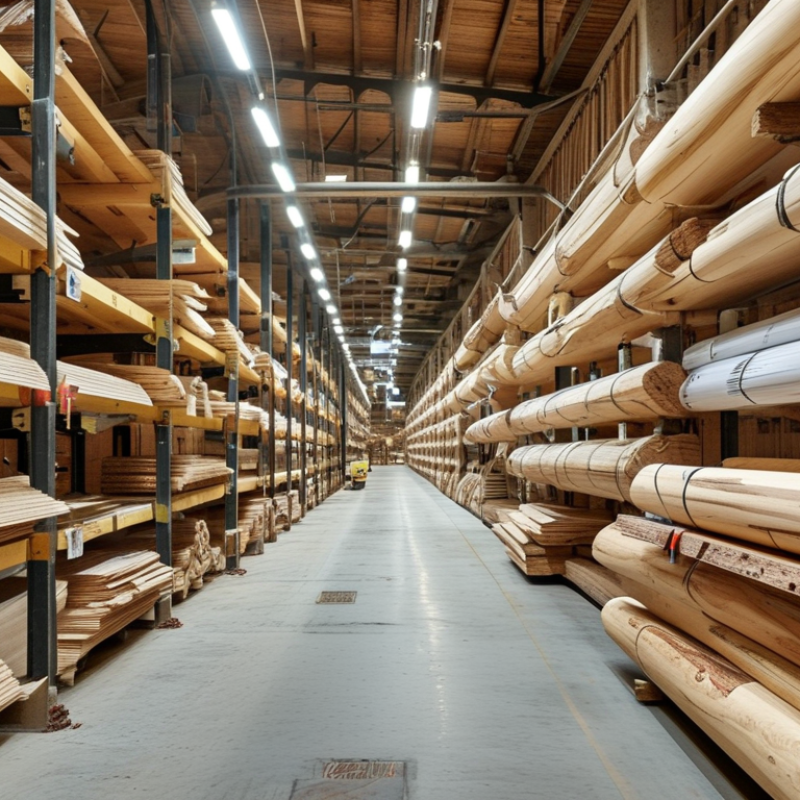
What Makes a Lumber Store the Best Choice for Global Buyers in 2026
A strong lumber store offers more than attractive prices. It provides clear grades, accurate dimensions, and dependable moisture readings. Global buyers need wood that performs consistently after long ocean journeys and changing climates. Ask for recent inspection records, product photos, and small samples before placing a large order. A reliable seller should explain species, drying methods, packaging, and expected tolerances in plain language. Vague answers create expensive surprises.
Traceability matters more than ever. The store should identify the wood’s origin and provide credible sustainability documentation when required. Export experience also helps with invoices, packing lists, labeling, and shipment coordination. These details may seem dull, but one missing document can delay an entire container. Communication is another practical test. Replies should be timely, specific, and easy to verify. Still, no store is perfect. Weather, grading differences, and transport damage can affect results, so written agreements should define inspection and claim procedures.
Tips: Compare sample quality, not only catalog prices. Request moisture targets and allowable size variation. Confirm packaging protects corners and surfaces. Check payment terms carefully. Keep every specification in writing. A store that admits limitations may deserve more trust than one promising flawless results. My own buying lesson is simple: fast answers are useful, but consistent evidence matters more.
| Evaluation Dimension | Recommended Benchmark | Evidence Global Buyers Should Request | Why It Matters in 2026 |
|---|---|---|---|
| Species and Grade Accuracy | Every shipment should identify the wood species, commercial grade, surface condition, and intended use. | Grade rules, product specification sheet, clear photographs, and pre-shipment inspection records. | Accurate grading reduces rejected cargo, production interruptions, and disputes caused by inconsistent quality. |
| Moisture Control | For many interior applications, kiln-dried lumber is commonly specified around 6%–12% moisture content; the correct target depends on end use and destination climate. | Moisture readings by lot, drying method, measurement standard, and packaging date. | Controlled moisture helps limit shrinkage, swelling, cracking, mold risk, and dimensional problems during transport and installation. |
| Dimensional Consistency | Length, width, thickness, squareness, and allowable tolerances should be stated in writing using metric or imperial units. | Signed drawings, tolerance tables, sampling procedures, and inspection results before loading. | Consistent dimensions improve yield calculations and prevent additional machining or waste at the buyer’s facility. |
| Legal and Sustainable Sourcing | The seller should provide traceability from harvest or mill through shipment and support legally sourced timber requirements. | Harvest origin, chain-of-custody records where applicable, legality documents, and species information. | Traceability supports customs clearance, responsible procurement policies, and compliance with destination-market regulations. |
| Export Documentation | Commercial invoice, packing list, transport document, origin information, and any required phytosanitary documentation should be prepared consistently. | Document checklist, sample export file, customs classification support, and document-review process. | Complete paperwork lowers the risk of customs delays, storage charges, and clearance problems. |
| Wood Packaging Compliance | Solid-wood pallets, crates, and dunnage used in international trade should meet the applicable ISPM 15 treatment and marking requirements. | Treatment records, packaging declaration, and photographs of required marks before shipment. | Non-compliant packaging can lead to inspection, re-export, disposal, or additional treatment at the destination. |
| Packaging and Container Utilization | Bundles should be protected against rain, abrasion, contamination, and movement, with packing plans based on product dimensions and weight. | Bundle dimensions, gross and net weights, loading diagrams, moisture protection details, and container photographs. | Efficient loading improves freight economics while reducing damage and unsafe weight distribution. |
| Incoterms and Landed-Cost Transparency | The quotation should name the applicable Incoterms® rule, named place, currency, validity period, and included charges. | Itemized quotation covering product cost, export handling, freight assumptions, insurance, and destination responsibilities. | Clear cost allocation makes supplier comparisons more accurate and limits unexpected landed-cost increases. |
| Quality Inspection and Claims | A written inspection plan should define sampling, defect categories, acceptance limits, and claim-notification deadlines. | Pre-shipment inspection report, lot identification, image records, and documented replacement or credit procedures. | Defined procedures provide an objective basis for resolving quality issues across borders and time zones. |
| Payment Security | Payment terms should match the buyer’s risk level and include safeguards for first orders, custom production, and large volumes. | Pro forma invoice, bank-account verification process, contract terms, and agreed inspection or release milestones. | Strong controls reduce fraud exposure and protect working capital during international transactions. |
| Communication and Technical Support | The supplier should communicate in clear written English or the buyer’s working language and provide prompt technical answers. | Named contact channel, response-time commitment, technical drawings, and after-sales escalation procedure. | Fast, precise communication helps prevent specification errors and supports projects across different time zones. |
| Sample and Trial-Order Capability | The buyer should be able to verify species, grade, moisture, finish, packaging, and documents before committing to a full shipment. | Sample approval record, trial-order terms, test results where relevant, and a process for matching mass production to the approved sample. | A controlled trial reduces the operational and financial risk of scaling an unfamiliar supply source. |
For global buyers, a reliable lumber store should offer more than attractive prices. It should explain species, grading, moisture, and origin clearly. Key products include kiln-dried sawn timber, structural lumber, plywood, laminated veneer lumber, and treated decking. Each product serves a different job. Kiln-dried boards suit interior construction, while engineered lumber offers more predictable dimensions for beams and floors.
The UNECE/FAO Forest Products Annual Market Review 2023–2024 reported global sawnwood production near 440 million cubic metres in 2023. That scale makes consistent inspection essential. Ask for moisture readings, grade certificates, bundle photographs, and packing details before shipment. ISO 13061 methods support testing for timber density, bending strength, and moisture content. Structural products may also require compliance with regional systems such as EN 14081 or ASTM grading practices. These references matter more than vague claims like “premium quality.”
International shipments need traceable sourcing and suitable packaging. ISPM 15 requirements apply to solid-wood packaging in many importing markets, with treatment and marking verified before dispatch. Responsible suppliers can provide chain-of-custody records and legal-harvest documentation. Still, paperwork is not flawless. Species names can differ between countries, and moisture may change during long voyages. I would request an independent pre-shipment inspection, even when samples look perfect. Small cracks, uneven drying, or hidden warp can become expensive after arrival.
2026 Best Lumber Store for Global Buyers?
Global buyers should evaluate a lumber store through evidence, not attractive listings. Ask for species, grade, moisture content, dimensions, and permitted tolerances. A reliable seller should provide recent product photos, test reports, and clear packing details. Samples matter. One shipment can reveal warping, rough edges, or inconsistent thickness.
Pricing needs a complete calculation. Compare the product price with inland transport, export preparation, freight, insurance, duties, and currency changes. Confirm the delivery term in writing. A low quotation may hide weak packaging or expensive port charges. I have seen buyers focus on unit price and overlook moisture-related losses. That mistake can damage project schedules. Numbers can mislead.
Tips: Request a small trial order before a full contract. Check moisture with an independent inspection when possible. Confirm inspection timing, replacement rules, payment stages, and shipment records. Ask how the seller handles delayed or damaged cargo. Certifications may support responsible sourcing, but verify their validity and scope. Do not accept vague claims such as “premium quality.” Define the exact standard. No supplier is perfect. Even careful evaluation can miss seasonal variation, so keep a contingency for rework and delayed delivery.
For global lumber buyers, the best supplier is not simply the one offering the lowest price. Reliable export experience matters more when containers cross several jurisdictions. An experienced team confirms wood species, grade, moisture content, dimensions, bundle quantity, and loading method before production begins. Buyers should request clear product photos and written specifications. Small details protect large orders.
Each shipment needs a clean document trail. A commercial invoice should show the buyer, seller, origin, currency, Incoterms, and declared value. A packing list should match bundle marks, piece counts, dimensions, and net and gross weights. The bill of lading must agree with these records. Some destinations require phytosanitary certificates or additional legalization. Others do not. Wood packaging may require ISPM 15 treatment and marking. Requirements vary by country, so buyers should confirm them with customs authorities or a licensed broker before loading.
Customs support becomes practical when problems appear. An experienced exporter can provide HS-code guidance, loading photos, seal numbers, and scanned documents before departure. A broker may review duties and taxes, but the importer remains responsible for local compliance. Keep communication in writing. No checklist catches everything. One unclear species description or wrong digit can delay a container. Buyers should arrange a pre-shipment document review and confirm storage, demurrage, and inspection costs. Fast answers help, but careful answers are safer.
For global buyers, the best lumber store is not defined by price alone. Sustainability should be visible in daily operations. Look for responsibly managed forests, efficient kiln drying, and reduced packaging waste. Ask for a current chain-of-custody certificate. Confirm its scope, issuing body, and product species. Paperwork matters.
Reliable suppliers should provide moisture readings, grading details, origin records, and clear product photographs. Certifications such as FSC or PEFC can support responsible sourcing, but they do not replace inspection. Check the certificate database independently. Request a small sample before ordering a full container. Feel the boards. Measure them. Compare the stated grade with actual knots, warping, and surface damage.
Buyer protection policies reveal operational maturity. A trustworthy store should explain payment security, inspection windows, replacement terms, and dispute procedures. The contract should identify acceptable moisture variation and dimensional tolerance. Keep inspection photos with the order number and shipping documents. Ask who pays when damaged lumber arrives. Answers should be specific, not promotional. Mistakes happen. Even careful suppliers may misjudge seasonal moisture changes or loading pressure. I would treat vague sustainability claims as a warning, not proof. A strong supplier welcomes reasonable questions and records corrective actions. That transparency may matter more than a polished website.
We use cookies on our website to give you an improved browser experience. View our Privacy Policy for more information. Please make your selection to opt in or out of ALL cookies here: Accept or Decline
Do you consent to the use of ALL cookies?
901 2nd Court West
Birmingham, AL 35204
Sales: 866.481.4036
Logistics/Ops: 866.481.4036
2101 Dralle Road
University Park, IL 60466
Sales: 708.813.9070
Logistics/Ops: 708.235.4200
400 E. 13th Street
Little Rock, AR 72114
Sales: 866.760.5344
Logistics/Ops: 866.760.5344
225 Collins Road
Elkhart, IN 46515
Sales: 574.295.0214
Logistics/Ops: 574.607.4611
601 Berryman Pike
Tipton, IN 46072
Sales: 800.897.7591
Logistics/Ops: 800.897.7591
3900 Uvalda Street
Denver, CO 80239
Sales: 303.706.8000
Ops/Logistics: 303.576.8398
510 3rd Street E
Milan, IL 61264
Sales: 800.322.1052
Logistics/Ops: 800.322.1052
1660 E. Aurora
Des Moines, IA 50313
Sales: 800.671.1660
Logistics: 800.671.1660
86554 Gene Lasserre Blvd.
Yulee, FL 32097
Sales: 904.253.3060
Logistics/Ops: 904.225.3000
694 S.E. County Road 245
Lake City, FL 32025
Sales: 800.727.6706
Logistics/Ops: 386.752.7412
210 Neptune Road
Auburndale, FL 33823
Sales: 863.967.1131
Logistics/Ops: 863.777.9814
4601 McCoy Drive
Pensacola, FL 32503
Sales: 850.308.7030
Logistics/Ops: 850.434.5502
815 South 56th Street
Tampa, FL 33619
Sales: 813.302.1940
Logistics/Ops: 813.621.1352
200 Hosea Road
Lawrenceville, GA 30046
Sales: 770.953.7575
Logistics/Ops: 770.513.6000
Branch Product Guide
Branch Line Card
Moulding Offering
Cedar Offering
Column Offering
8173 Hwy. 165 North
Monroe, LA 71211
Sales: 800.256.4165
Logistics/Ops: 800.256.4165
508 Warren Avenue
Portland, ME 04103
Sales: 207.888.2331
Logistics/Ops: 207.797.6565
4300 Georgia Pacific Blvd.
Frederick, MD 21704
Sales: 301.798.7474
Logistics/Ops: 301.874.8000
419 Maple Street
Bellingham, MA 02019
Sales: 508.449.0535
Logistics/Ops: 508.966.5500
825 Buchanan Ave SW
Grand Rapids, MI 49507
Sales: 877.800.1180
Logistics/Ops: 616.278.0909
995 Pacific St. NW
Aitkin, MN 56431
Sales: 800.432.3727
Logistics/Ops: 218.212.7770
1102 Port Terminal Drive
Duluth, MN 55802
Sales: 800.951.9899
Logistics/Ops: 800.851.9899
9110 83rd Ave. North
Brooklyn Park, MN 55445
Sales: 763.425.0204
Logistics/Ops: 763.425.0204
910 E. Railroad Street
Long Beach, MS 39560
Sales: 866.535.4135
Logistics/Ops: 228.205.2400
1727 Warren Street
North Kansas City, MO 64116
Sales: 800.621.2611
Logistics/Ops: 800.621.2611
2123 North Golden
Springfield, MO 65803
Sales: 800.375.7891
Logistics/Ops: 800.375.7891
13860 Corp. Woods Trail
Bridgeton, MO 63044
Sales: 314.209.0800
Logistics/Ops: 314.209.0800
1109 South 19th Street
Omaha, NE 68108
Sales: 800.489.6637
Logistics/Ops: 800.489.6637
1 Luger Road
Denville, NJ 07834
Sales: 973-339-3539
Logistics/Ops: 973.625.1461
3720 Jeffrey Blvd.
Blasdell, NY 14219
Sales: 716.235.5989
Logistics/Ops: 716.825.6557
319 Yaphank Ave.
Yaphank, NY 11980
Sales: 631.358.5714
Logistics/Ops: 631.924.7401
3300 Parkside Drive
Charlotte, NC 28208
Sales: 800.839.2588
Logistics/Ops: 704.394.3172
1712 East D Street
Butner, NC 27509
Sales: 984.389.8200
Logistics/Ops: 919.575.3700
128 Foothills Drive
Statesville, NC 28687
Sales: 800.222.1414
Logistics/Ops: 704.394.3172
550 Munroe Falls Rd.
Tallmadge, OH 44278
Sales: 330.357.4506
Logistics/Ops: 330.794.1141
10347 Toebben Dr.
Independence, KY 41051
Sales: 859.298.3926
Logistics/Ops: 859.746.2250
450 N. MacArthur
Oklahoma City, OK 73127
Sales: 800.375.6025
Logistics/Ops: 800.375.6025
1680 North Aspen
Broken Arrow, OK 74012
Sales: 918.272.2212
Logistics/Ops: 918.272.2212
522 Bridge Street
Hunker, PA 15639
Sales: 878.217.2001
Logistics/Ops: 724.925.7285
4290 Atlanta Street
Charleston, SC 29418
Sales: 843.371.1420
Logistics/Ops: 843.554.8192
1040 S. Industrial Dr.
Erwin, TN 37650
Sales: 423.641.1005
Logistics/Ops: 423.742.5911
4287 Pilot Drive
Memphis, TN 38118
Sales: 901.365.2101
Logistics/Ops: 901.365.2101
700 Myatt Drive
Madison, TN 37115
Sales: 615.327.9547
Logistics/Ops: 629.777.4949
4747 Mark IV Parkway
Fort Worth, TX 76106
Sales: 866.323.5117
Logistics/Ops: 817.625.9091
6990 Market Avenue
El Paso, TX 79915
Sales: 915.778.6356
Logistics/Ops: 915.265.7200
2502 Wilson Road
Harlingen, TX 78552
Sales: 800.580.6711
Logistics/Ops: 800.580.6711
10,000 North Loop East
Houston, TX 77029
Sales: 713.921.1977
Logistics/Ops: 713.675.3544
702 East 44th St.
Lubbock, TX 79404
Sales: 866.454.6010
Logistics/Ops: 866.454.6010
535 N. WW White Road
San Antonio, TX 78219
Sales: 800.284.0488
Logistics/Ops: 210.333.8112
142 Pine Haven Shores Rd.
Shelburne, VT 05482
Sales: 802.800.2540
Logistics/Ops: 802.985.2512
4700 Bethlehem Road,
Richmond, VA 23230
Sales: 804.201.2400
Logistics/Ops: 804.342.1161
4516 N Barker Road
Spokane Valley, WA 99027
Phone: 509.892.9420
Toll free: 800.728.6157
8365 N. 76th Street
Milwaukee, WI 53223
Sales: 800.356.9245
Logistics/Ops: 800.356.9245
312 S. Chester Street
Sparta, WI 54656
Sales: 800.362.5864
Logistics/Ops: 800.362.5864
899 Grossman Drive
Schofield, WI 54476
Sales: 800.472.0017
Logistics/Ops: 800.472.0017