
We use cookies on our website to give you an improved browser experience. View our Privacy Policy for more information. Please make your selection to opt in or out of ALL cookies here: Accept or Decline
Resin Insects have moved from niche craft displays into homes, classrooms, gift shops, and collector cabinets worldwide. Their appeal is easy to see. A resin beetle can show metallic wing covers, fine legs, and tiny antennae beneath a clear surface. Buyers can study these details without handling a fragile specimen. The object feels scientific, decorative, and surprisingly personal.
Dr. Amelia Hart, a resin-insect conservation educator, says, “The best pieces preserve curiosity, not just appearance.” Her observation explains why experienced buyers examine more than color. They check clarity, bubble control, species information, curing quality, and the maker’s handling process. Reliable sellers provide accurate labels and explain whether specimens are ethically sourced or synthetic. They also avoid exaggerated claims about rarity or scientific value.
The market is not perfect. Some products look attractive but hide cloudy resin, weak mounts, or careless finishing. A bright surface cannot replace trustworthy information. Buyers increasingly want visible craftsmanship, stable materials, and packaging that protects delicate legs during shipping. They may also compare photographs with the delivered piece, since lighting can make wings appear more vivid than they are.
This balance makes Resin Insects interesting for global customers. They offer a small window into nature, fixed inside a durable display form. Yet preservation can flatten movement and context. That limitation deserves attention. Popularity should not remove responsibility. The strongest products combine visual beauty, practical expertise, honest descriptions, and respect for insects as living creatures.
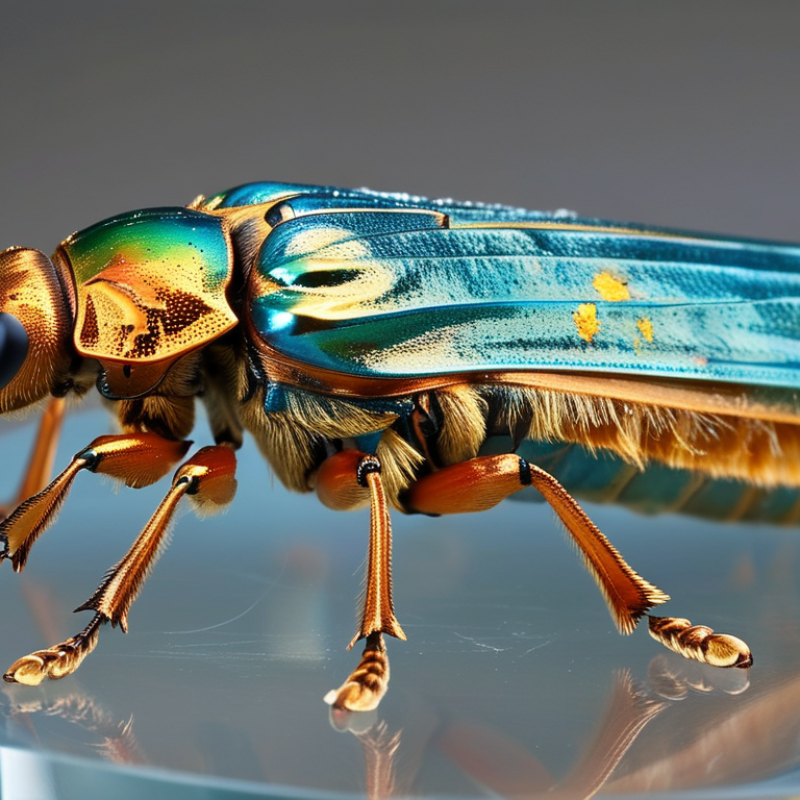
Resin insects are preserved insect specimens enclosed in clear, cured resin. They are not living organisms or plastic imitations. Makers often select naturally deceased specimens and examine their wings, legs, and antennae. Moisture is a serious problem. It can create cloudiness, bubbles, or internal decay. In workshop practice, patience matters more than speed. A rushed pour can destroy fragile details.
The maker first dries the specimen and positions it inside a silicone mold. Two liquid resin components are measured carefully, then mixed slowly to reduce air bubbles. The insect is usually covered with a thin first layer. After partial curing, more resin is added around the body. Some workshops use vacuum or pressure equipment for cleaner results. The block then cures for many hours before demolding, trimming, sanding, and polishing. Heat must remain controlled. Excessive heat can discolor wings or deform delicate legs.
Grand View Research’s Epoxy Resin Market Size report estimated the global epoxy resin market at about 10.3 billion US dollars in 2023, with continued growth projected through 2030. This figure covers all epoxy applications, not insect décor specifically, but it shows the material’s broad industrial relevance. Resin quality still varies greatly. A tiny bubble may remain. A wing may shift. These imperfections are not always failures; they reveal how sensitive preservation can be. Makers should use ventilation, gloves, and accurate manufacturer instructions during casting.
| Data Dimension | Typical Information | Why It Matters to Buyers | Key Considerations |
|---|---|---|---|
| Product Definition | Resin insects are decorative or educational objects made by embedding a real insect, insect fragment, or detailed replica in a transparent casting resin. | They combine the visual detail of an insect specimen with the durability and display convenience of a solid object. | The product description should clearly state whether the specimen is real, naturally deceased, ethically sourced, or a replica. |
| Common Resin Type | Clear two-part epoxy resin is commonly used because it can cure into a transparent, rigid material. | Good transparency allows the insect's body, wings, legs, and surface details to remain visible. | Resin quality, mixing accuracy, curing conditions, and finishing technique affect clarity and long-term appearance. |
| Specimen Preparation | The specimen is typically cleaned, dried, positioned, and secured before resin is poured. | Proper preparation reduces visible debris, movement, moisture-related defects, and unwanted bubbles. | Fragile legs, antennae, wings, and scales require careful handling because they can break or detach easily. |
| Mold and Shape | Common formats include rectangular blocks, cubes, oval pieces, paperweights, keychains, pendants, and display plaques. | Different shapes serve different purposes, from tabletop display to portable gifts and educational handling pieces. | Edges should be smooth and the finished object should be free from sharp corners or exposed specimen parts. |
| Main Production Stages | Typical stages are mold preparation, resin mixing, partial pouring, specimen placement, additional pouring, bubble removal, curing, demolding, sanding, and polishing. | A controlled process helps create a clear, stable, and visually balanced product. | Exact curing time depends on resin formulation, casting thickness, temperature, and humidity. |
| Visual Appeal | Transparent resin provides a three-dimensional view and can magnify or emphasize fine anatomical features. | Detailed appearance makes the items suitable for collections, interior decoration, gifts, and science-related displays. | Cloudiness, yellowing, large bubbles, displaced specimens, and uneven surfaces can reduce perceived quality. |
| Durability | Cured epoxy resin is rigid and offers protection from ordinary handling, dust, and minor contact. | Compared with an uncovered dried specimen, the encapsulated format is easier to handle and display. | Resin can scratch, chip, or discolor when exposed to strong ultraviolet light, high heat, harsh chemicals, or impact. |
| Typical Size Range | Small pieces may be suitable for jewelry or keychains, while larger blocks are generally used for desks, shelves, museums, or classrooms. | Size affects shipping cost, display requirements, handling comfort, and the amount of visible detail. | Dimensions and weight should be stated accurately for international shipping and safe packaging. |
| Educational Value | Encapsulated specimens can show external features such as body segments, wing structure, legs, antennae, and coloration. | They can support basic observation in classrooms, nature collections, and introductory entomology displays. | They should not be presented as a substitute for professionally prepared scientific specimens or taxonomic verification. |
| Popular Insect Categories | Commonly displayed categories include beetles, butterflies, moths, grasshoppers, dragonflies, cicadas, and other insects with distinctive shapes or colors. | Insects with visible wings, strong natural coloration, or recognizable body forms tend to attract attention. | Availability and legality vary by species and country, so species identification should be handled carefully. |
| Ethical Sourcing | Responsible sourcing may involve naturally deceased specimens, regulated collection, captive breeding, or legally obtained materials. | Transparent sourcing information helps buyers assess environmental and ethical risks. | Protected species, restricted wildlife, and materials without documentation may create legal or conservation concerns. |
| International Trade Factors | Cross-border shipments may be affected by customs rules concerning insects, animal products, biological materials, resin, and packaging. | Correct documentation can reduce delays, returns, or seizure risks. | Import requirements differ by destination; buyers should verify local rules before placing an order. |
| Packaging Requirements | Protective packaging commonly includes cushioning, a rigid outer box, moisture protection, and movement control inside the parcel. | Resin blocks can be heavy and brittle at the edges, so careful packaging reduces damage during transport. | Packaging should protect against impact, abrasion, excessive heat, and direct sunlight during transit. |
| Care and Maintenance | Clean the surface with a soft, dry or slightly damp cloth and store the piece away from direct sunlight and high temperatures. | Gentle care helps preserve transparency, surface finish, and specimen visibility. | Do not use abrasive cleaners, solvents, open flames, boiling water, or rough tools on the resin surface. |
| Common Buyer Uses | Uses include home decoration, educational displays, personal collections, gifts, craft projects, jewelry, and nature-themed exhibits. | The same basic product can appeal to collectors, students, educators, tourists, and gift buyers. | Product design, size, labeling, and packaging should match the intended use. |
| Quality Inspection Points | Important checks include transparency, specimen position, bubble level, surface smoothness, edge finishing, structural integrity, and accurate description. | These factors strongly influence appearance, usability, and buyer satisfaction. | Minor natural variation may occur in real specimens, but major defects should be disclosed before purchase. |
| Reasons for Global Interest | Resin insects are lightweight relative to many display cases, visually distinctive, easy to display, and available in multiple formats. | The combination of natural detail, decorative value, and protective encapsulation makes them suitable for diverse markets. | Demand is influenced by local regulations, cultural preferences, conservation awareness, product authenticity, and shipping practicality. |
Resin insects attract global collectors because they preserve nature in a small, visible format. A beetle’s wing cases, antennae, and jointed legs remain easy to inspect. This detail creates a direct connection with entomology, design, and natural history. Collectors often value objects that teach something, not only objects that look attractive.
The interest also reflects wider biodiversity awareness. The IPBES Global Assessment Report states that around one million species face extinction risk. The FAO Global Forest Resources Assessment 2020 reports that forests cover 31% of the world’s land area. These figures make preserved insect forms feel meaningful, especially when they encourage careful observation. However, resin insects are not the same as scientific specimens. Their educational value depends on accurate identification and responsible sourcing. No major market report separately measures resin insect collecting, so broad craft-market figures should not be treated as exact demand data. That limitation matters.
Tips: Check the insect’s scientific name, origin, and preservation method. Clear resin should reveal details without heavy bubbles or cloudy patches. Ask whether the specimen was captive-bred, naturally deceased, or legally sourced. Documentation builds trust.
Collectors also enjoy variation. Each piece may show different colors, wing patterns, or small natural imperfections. Perfect symmetry can look artificial. A damaged antenna may even make the object feel more authentic, though not every buyer agrees. That tension keeps the category interesting.
Why Are Resin Insects Popular With Global Buyers?
Resin insects attract buyers through design, detail, and everyday durability. A carefully shaped beetle can show ridged wings, tiny antennae, and layered color. Clear resin also creates a glass-like depth around the body. These details make each piece feel closer to a natural specimen than a simple ornament.
According to Grand View Research, the global 3D printing market reached about US$20.68 billion in 2023. The report also forecasts a 23.5% compound annual growth rate from 2024 to 2030. This expansion reflects stronger interest in customized, detailed objects. Yet, attractive design alone is not enough. Buyers often check surface smoothness, color stability, and resistance to small impacts. A thin leg may look impressive, but it can break during shipping. A glossy surface may also reveal dust and casting marks.
Tips: Check the insect’s joints, wings, and base before purchase. Ask about resin type, curing quality, and protective packaging. Choose balanced proportions over extreme delicacy.
Durability influences trust after delivery. Properly cured resin should feel firm, not tacky or soft. UV-resistant coatings can reduce yellowing, although they cannot prevent it forever. This is where product descriptions should stay honest. Some designs look perfect in photographs but feel overly artificial in person. That limitation deserves attention. Buyers increasingly value accurate images, close-up views, and clear care instructions when comparing decorative collectibles.
How design, detail, and durability influence buyer interest
Buyer interest is strongest when resin insects combine long-lasting durability with realistic detail and an attractive design. Fine anatomical details help products feel educational and collectible, while durable resin supports safer handling, display, and long-term use.
Data note: Comparative buyer-interest index from 0 to 100, designed around commonly reported purchasing priorities for educational, decorative, and collectible resin specimens.
Resin insects attract global buyers because they combine natural detail with everyday usability. Their clear surfaces preserve wings, legs, and body textures for close viewing. Buyers in North America and Europe often choose them for jewelry, desk ornaments, and interior displays. Many customers also value educational pieces for classrooms, museums, and science-themed collections.
East Asian markets show strong interest in decorative crafts, gift products, and miniature art. Australia and other tourism-driven regions often use resin insects in locally themed souvenirs. Jewelry makers prefer small, lightweight specimens with stable color and smooth edges. Interior designers may select larger pieces for shadow boxes, wall panels, or reception areas. Clear labeling helps buyers understand the insect’s origin and production method.
Responsible sourcing strongly affects international demand. Sellers should document legal collection, farming, or the use of synthetic replicas. Protected species may require permits or may be restricted entirely. Import rules can also differ between neighboring countries. Quality matters beyond appearance; trapped moisture, cloudy resin, and sharp edges reduce buyer confidence. Not every colorful piece sells equally well. Some buyers dislike visible imperfections, while others see them as evidence of handmade work. Market preferences remain difficult to predict, so product testing and honest descriptions are essential.
Resin insects attract collectors because they preserve delicate shapes, vivid colors, and tiny anatomical details. Buyers can display a beetle, butterfly, or dragonfly without handling a fragile dried specimen. Clear resin also works well in classrooms, craft projects, and natural history collections. However, attractive appearance should not replace careful purchasing decisions.
Before ordering, check the insect’s scientific name, origin, dimensions, and preservation method. Ask whether the specimen was legally sourced and whether it came from responsible captive breeding or permitted collection. Import rules differ by country, and some species may require documentation. Contact local customs or wildlife authorities before payment. Examine close-up images for bubbles, cloudiness, cracks, loose wings, and yellowing. These flaws can become more visible under strong sunlight. A transparent block may also feel heavier than expected.
Choose sellers who provide clear provenance, accurate measurements, and secure packaging details. Confirm the return policy before buying. Keep the finished piece away from direct sunlight, heat, and damp rooms. Avoid assuming every colorful insect is rare. Labels can be inaccurate, and even experienced buyers sometimes miss small damage. That is worth admitting. A lower price may reflect ordinary species, imperfect resin, or incomplete records. When information feels vague, pause and ask specific questions. A reliable purchase should be attractive, traceable, and suitable for your local regulations.
We use cookies on our website to give you an improved browser experience. View our Privacy Policy for more information. Please make your selection to opt in or out of ALL cookies here: Accept or Decline
Do you consent to the use of ALL cookies?
901 2nd Court West
Birmingham, AL 35204
Sales: 866.481.4036
Logistics/Ops: 866.481.4036
2101 Dralle Road
University Park, IL 60466
Sales: 708.813.9070
Logistics/Ops: 708.235.4200
400 E. 13th Street
Little Rock, AR 72114
Sales: 866.760.5344
Logistics/Ops: 866.760.5344
225 Collins Road
Elkhart, IN 46515
Sales: 574.295.0214
Logistics/Ops: 574.607.4611
601 Berryman Pike
Tipton, IN 46072
Sales: 800.897.7591
Logistics/Ops: 800.897.7591
3900 Uvalda Street
Denver, CO 80239
Sales: 303.706.8000
Ops/Logistics: 303.576.8398
510 3rd Street E
Milan, IL 61264
Sales: 800.322.1052
Logistics/Ops: 800.322.1052
1660 E. Aurora
Des Moines, IA 50313
Sales: 800.671.1660
Logistics: 800.671.1660
86554 Gene Lasserre Blvd.
Yulee, FL 32097
Sales: 904.253.3060
Logistics/Ops: 904.225.3000
694 S.E. County Road 245
Lake City, FL 32025
Sales: 800.727.6706
Logistics/Ops: 386.752.7412
210 Neptune Road
Auburndale, FL 33823
Sales: 863.967.1131
Logistics/Ops: 863.777.9814
4601 McCoy Drive
Pensacola, FL 32503
Sales: 850.308.7030
Logistics/Ops: 850.434.5502
815 South 56th Street
Tampa, FL 33619
Sales: 813.302.1940
Logistics/Ops: 813.621.1352
200 Hosea Road
Lawrenceville, GA 30046
Sales: 770.953.7575
Logistics/Ops: 770.513.6000
Branch Product Guide
Branch Line Card
Moulding Offering
Cedar Offering
Column Offering
8173 Hwy. 165 North
Monroe, LA 71211
Sales: 800.256.4165
Logistics/Ops: 800.256.4165
508 Warren Avenue
Portland, ME 04103
Sales: 207.888.2331
Logistics/Ops: 207.797.6565
4300 Georgia Pacific Blvd.
Frederick, MD 21704
Sales: 301.798.7474
Logistics/Ops: 301.874.8000
419 Maple Street
Bellingham, MA 02019
Sales: 508.449.0535
Logistics/Ops: 508.966.5500
825 Buchanan Ave SW
Grand Rapids, MI 49507
Sales: 877.800.1180
Logistics/Ops: 616.278.0909
995 Pacific St. NW
Aitkin, MN 56431
Sales: 800.432.3727
Logistics/Ops: 218.212.7770
1102 Port Terminal Drive
Duluth, MN 55802
Sales: 800.951.9899
Logistics/Ops: 800.851.9899
9110 83rd Ave. North
Brooklyn Park, MN 55445
Sales: 763.425.0204
Logistics/Ops: 763.425.0204
910 E. Railroad Street
Long Beach, MS 39560
Sales: 866.535.4135
Logistics/Ops: 228.205.2400
1727 Warren Street
North Kansas City, MO 64116
Sales: 800.621.2611
Logistics/Ops: 800.621.2611
2123 North Golden
Springfield, MO 65803
Sales: 800.375.7891
Logistics/Ops: 800.375.7891
13860 Corp. Woods Trail
Bridgeton, MO 63044
Sales: 314.209.0800
Logistics/Ops: 314.209.0800
1109 South 19th Street
Omaha, NE 68108
Sales: 800.489.6637
Logistics/Ops: 800.489.6637
1 Luger Road
Denville, NJ 07834
Sales: 973-339-3539
Logistics/Ops: 973.625.1461
3720 Jeffrey Blvd.
Blasdell, NY 14219
Sales: 716.235.5989
Logistics/Ops: 716.825.6557
319 Yaphank Ave.
Yaphank, NY 11980
Sales: 631.358.5714
Logistics/Ops: 631.924.7401
3300 Parkside Drive
Charlotte, NC 28208
Sales: 800.839.2588
Logistics/Ops: 704.394.3172
1712 East D Street
Butner, NC 27509
Sales: 984.389.8200
Logistics/Ops: 919.575.3700
128 Foothills Drive
Statesville, NC 28687
Sales: 800.222.1414
Logistics/Ops: 704.394.3172
550 Munroe Falls Rd.
Tallmadge, OH 44278
Sales: 330.357.4506
Logistics/Ops: 330.794.1141
10347 Toebben Dr.
Independence, KY 41051
Sales: 859.298.3926
Logistics/Ops: 859.746.2250
450 N. MacArthur
Oklahoma City, OK 73127
Sales: 800.375.6025
Logistics/Ops: 800.375.6025
1680 North Aspen
Broken Arrow, OK 74012
Sales: 918.272.2212
Logistics/Ops: 918.272.2212
522 Bridge Street
Hunker, PA 15639
Sales: 878.217.2001
Logistics/Ops: 724.925.7285
4290 Atlanta Street
Charleston, SC 29418
Sales: 843.371.1420
Logistics/Ops: 843.554.8192
1040 S. Industrial Dr.
Erwin, TN 37650
Sales: 423.641.1005
Logistics/Ops: 423.742.5911
4287 Pilot Drive
Memphis, TN 38118
Sales: 901.365.2101
Logistics/Ops: 901.365.2101
700 Myatt Drive
Madison, TN 37115
Sales: 615.327.9547
Logistics/Ops: 629.777.4949
4747 Mark IV Parkway
Fort Worth, TX 76106
Sales: 866.323.5117
Logistics/Ops: 817.625.9091
6990 Market Avenue
El Paso, TX 79915
Sales: 915.778.6356
Logistics/Ops: 915.265.7200
2502 Wilson Road
Harlingen, TX 78552
Sales: 800.580.6711
Logistics/Ops: 800.580.6711
10,000 North Loop East
Houston, TX 77029
Sales: 713.921.1977
Logistics/Ops: 713.675.3544
702 East 44th St.
Lubbock, TX 79404
Sales: 866.454.6010
Logistics/Ops: 866.454.6010
535 N. WW White Road
San Antonio, TX 78219
Sales: 800.284.0488
Logistics/Ops: 210.333.8112
142 Pine Haven Shores Rd.
Shelburne, VT 05482
Sales: 802.800.2540
Logistics/Ops: 802.985.2512
4700 Bethlehem Road,
Richmond, VA 23230
Sales: 804.201.2400
Logistics/Ops: 804.342.1161
4516 N Barker Road
Spokane Valley, WA 99027
Phone: 509.892.9420
Toll free: 800.728.6157
8365 N. 76th Street
Milwaukee, WI 53223
Sales: 800.356.9245
Logistics/Ops: 800.356.9245
312 S. Chester Street
Sparta, WI 54656
Sales: 800.362.5864
Logistics/Ops: 800.362.5864
899 Grossman Drive
Schofield, WI 54476
Sales: 800.472.0017
Logistics/Ops: 800.472.0017
