
We use cookies on our website to give you an improved browser experience. View our Privacy Policy for more information. Please make your selection to opt in or out of ALL cookies here: Accept or Decline
Global buyers rarely choose windows by appearance alone. A coastal home may need frames that resist salt-laden air, while a mountain property faces freezing nights and sharp temperature swings. In dense cities, sound control and daylight can matter just as much as insulation. These differences make Unique Windows more than a design feature. They are a practical choice shaped by climate, building style, installation conditions, and everyday use.
The right option starts with clear questions. What are the opening dimensions? Which frame materials suit the local environment? How will glass performance affect comfort, glare, and energy use? Buyers should also check product specifications, available testing documentation, warranty terms, and the supplier’s ability to communicate across time zones. Details matter. A well-designed window can still disappoint if measurements are wrong or installation guidance is unclear.
Customization can help match a project’s proportions, finishes, and ventilation needs. Yet more options do not always mean a better result. That sounds simple. It isn’t always. A realistic selection balances appearance with maintenance, expected service conditions, and the capabilities of local installers. Unique Windows can offer global buyers greater flexibility, but thoughtful comparison remains essential. When technical information is transparent and requirements are confirmed early, buyers can make decisions with more confidence—and fewer costly surprises.
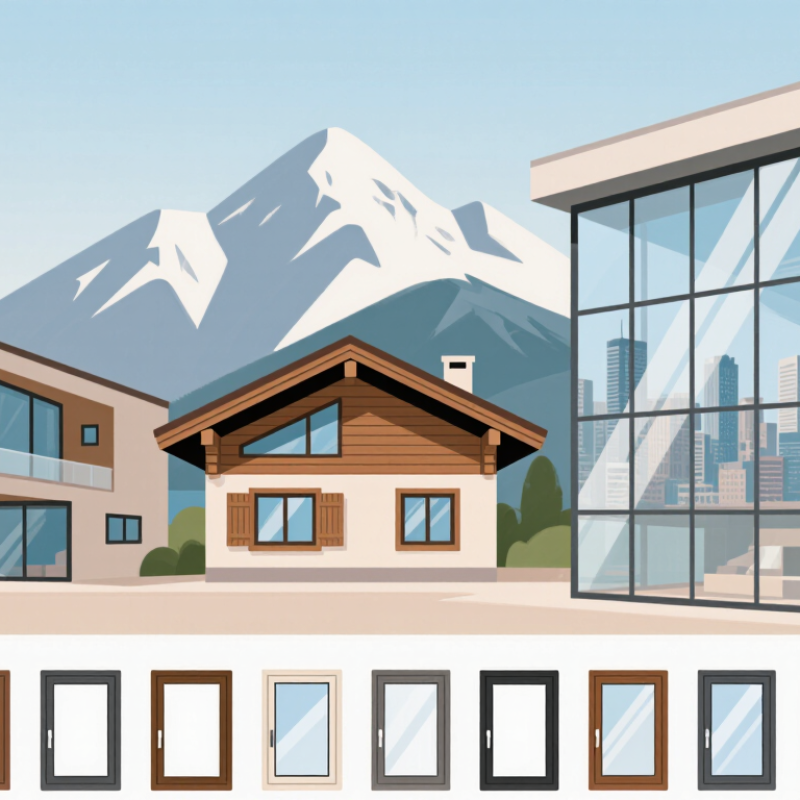
Unique windows are products shaped around a specific opening, climate, or design need rather than standard dimensions alone. They may feature arched tops, slim frames, unusual proportions, or glazing selected for local weather. The appeal is practical as well as visual. A deep-set window can frame a courtyard, while carefully specified glazing can help limit heat gain or heat loss. Details matter.
The International Energy Agency’s 2023 buildings report states that building operations account for about 30% of global final energy consumption. That figure does not measure windows alone, but it shows why buyers increasingly consider performance alongside appearance. In the United States, ENERGY STAR estimates that certified window replacements can save an average household 7–15% on energy bills, depending on the existing windows and climate. Results vary.
For global buyers, a “unique” window should therefore mean more than a striking shape: it should suit local temperatures, daylight, ventilation needs, and maintenance conditions. Still, the term can be vague. A custom frame may look impressive in a showroom yet perform poorly if its glass, seals, or installation are mismatched. Ask for documented thermal and air-leakage ratings, and compare them using the same testing standard.
Window design works best when it responds to the building around it. In Mediterranean homes, deep-set windows and exterior shutters can soften strong sunlight while preserving shaded interiors. In colder regions, carefully specified insulated glazing helps reduce heat loss, but frame depth and opening style must also suit the wall construction. A beautiful window can still feel awkward if its proportions fight the façade.
Climate shapes everyday choices. Homes in humid, rainy areas may need generous overhangs, reliable drainage, and ventilation that remains practical during wet weather. Along exposed coasts, durable finishes and corrosion-resistant hardware deserve close attention. In dense urban streets, narrow frames can bring in daylight without overwhelming traditional masonry. Small details matter. Sill height, sightlines, and how a sash opens affect both comfort and appearance.
Regional traditions offer useful guidance, not a fixed recipe. Local architects and installers can assess wind exposure, wall conditions, and applicable building requirements before a design is finalized. It is easy to focus on the glass and overlook the frame, or choose a dramatic opening that is rarely convenient to use. That trade-off is worth considering. The right design may be less striking on paper, but feel more natural in the home.
Material choice shapes cost, comfort, and upkeep. Vinyl frames resist moisture and need little maintenance, while aluminum offers slim sightlines and strength. Wood provides a warm interior finish, but it needs more care in wet or harsh climates. Fiberglass can handle temperature changes with less expansion than many materials. No option wins everywhere. Climate, building style, and local repair access matter.
Performance deserves close comparison. The U.S. Department of Energy reports that heat gain and heat loss through windows account for 25–30% of residential heating and cooling energy use. Look beyond frame material: glazing, seals, installation, and glass coatings all affect results. NFRC labels let buyers compare certified U-factor and solar heat gain coefficient ratings.
Lower U-factor generally means less heat transfer; the best solar gain depends on climate and orientation. A south-facing window may need different glazing from a shaded bedroom window. Small details count.
Ask for rated performance data, not broad claims. Confirm sizes, opening styles, finishes, and hardware before ordering. Check that replacement seals and parts will be available locally. A custom shape can look striking, but it may complicate future repairs. That trade-off is easy to overlook. Make a sample review part of the process: inspect the frame color in daylight and test the handle before approving a large order.
Why Choose Unique Windows for Global Buyers?
Evaluating Climate, Building Codes, and Installation Requirements
A window that performs well in one region may struggle elsewhere. Coastal homes face salt air and driving rain, while northern buildings need frames and glazing that limit heat loss. In hot, sunny climates, solar heat gain and fading furnishings deserve attention. Ask for tested performance data, including air leakage, water resistance, and thermal ratings. Compare those figures with local climate conditions, not just appearance. Small details matter: a deep sill can collect water if drainage is poorly planned.
Building codes vary by location and project type. Requirements may cover safety glazing, wind loads, energy efficiency, ventilation, and emergency escape openings. Confirm applicable rules with a qualified local professional before ordering. Product documentation should clearly identify dimensions, materials, and performance ratings. A mismatch between the stated rating and the installation site can create costly delays. Even experienced buyers can overlook this. Check twice.
Tips: Share rough opening measurements, wall construction, exposure, and target performance with your supplier and installer. Confirm who handles flashing, sealing, and drainage. Keep a little allowance for site variation; existing openings are rarely perfect. Ask how the unit should be stored and protected before installation, especially during wet or very hot weather.
ENERGY STAR® maximum U-factor criteria by U.S. climate region
Lower U-factor means less heat transfer through the window. Select products to suit local climate, applicable building codes, and installation conditions; requirements vary by jurisdiction. Source: ENERGY STAR Residential Windows, Doors, and Skylights Version 7.0 criteria.
Why Choose Unique Windows for Global Buyers?
Assessing Long-Term Value and Supplier Reliability
A distinctive window can shape a room’s character, but its value depends on performance years later. The U.S. Department of Energy estimates that windows account for 25–30% of residential heating and cooling energy use. That makes verified thermal ratings more than a catalog detail. Buyers should compare whole-window U-factors, solar heat gain coefficients, air leakage figures, and test conditions—not just glass specifications. A low U-factor may reduce heat transfer, while the right solar rating depends on climate and orientation. A sunny coastal home and a shaded northern apartment do not need identical glazing.
Reliability is tested after delivery. Ask suppliers for documented quality-control procedures, product test reports, replacement-part availability, and written warranty terms. Check whether the warranty covers labor, seals, hardware, and shipping across borders; exclusions can matter more than headline length. The International Energy Agency’s reports on buildings and energy efficiency emphasize that building performance depends on both products and installation. Even a well-rated frame can leak if the opening is poorly flashed. Request installation guidance, compatible specifications, and clear escalation contacts before ordering. Small details count: a missing drainage instruction can become a damp sill.
Compare lead-time records and references from projects in similar climates. Ask how batches are inspected and how defects are recorded. Keep samples and technical documents tied to the quotation. Still, no checklist is perfect. Supplier claims deserve verification, and delivery estimates sometimes slip. A little skepticism is useful.
| Assessment Dimension | What to Compare | Why It Matters Long Term | Evidence to Request |
|---|---|---|---|
| Thermal performance | Compare whole-window U-factor and solar heat gain coefficient (SHGC) for the specified size, glazing, frame, and configuration. Lower U-factor indicates less heat transfer; SHGC describes how much solar heat enters. | Performance affects heat loss or gain and should be matched to local climate, building design, and applicable energy requirements. | Test reports or product labels identifying the rated configuration, test method, and applicable market standard. |
| Air and water resistance | Review tested air leakage and water-penetration performance, including the test pressure and window type. Confirm requirements for the project’s exposure and building height. | Inadequate resistance can contribute to drafts or moisture intrusion; results depend on product design, installation, and site conditions. | Independent test documentation and installation details for the proposed system. |
| Durability and maintenance | Check frame and hardware specifications, finish-care instructions, drainage design, and availability of replacement components. | Maintenance needs and access to compatible parts can affect ownership costs and repair time over the product’s service life. | Written care guidance, component lists, spare-parts policy, and repair procedures. |
| Customization and project fit | Confirm available dimensions, opening styles, glazing options, finishes, and tolerances against drawings and local code requirements. | A product that fits the opening and project specification reduces redesign and coordination risks. Custom options should be assessed alongside lead time and replacement feasibility. | Approved shop drawings, technical data sheets, and a documented change-control process. |
| Supplier reliability | Assess production capacity, quality-control procedures, order tracking, communication practices, and how nonconforming products are handled. | Reliable processes help manage delivery, specification changes, and corrective actions, especially on projects involving multiple shipments. | Quality records, sample inspection reports, production schedule, and written corrective-action procedures. |
| Warranty and after-sales support | Compare warranty coverage, exclusions, claim process, response arrangements, and responsibility for freight or replacement parts. Terms vary by supplier and market. | Clear, practical support terms help buyers understand how defects and service issues will be addressed after delivery. | Full written warranty, service contact details, and a sample claim workflow. |
| Total cost of ownership | Evaluate purchase price together with installation, shipping, duties, maintenance, expected energy effects, repair access, and warranty conditions. | The lowest initial quotation is not necessarily the lowest-cost option over time. Energy savings should be estimated using local rates, climate, and building conditions. | Itemized quotation, stated assumptions, delivery terms, and a project-specific cost comparison. |
| International shipping and compliance | Verify packaging, shipment terms, import documentation, destination-market testing, and responsibility for damage in transit. | Import rules and building requirements differ by destination. Compliance and logistics should be confirmed before production and dispatch. | Destination-specific compliance documents, packing specifications, and agreed shipping terms. |
Buyer note: Performance values, certification requirements, warranty coverage, and delivery terms depend on the product configuration, destination market, and project conditions. Verify claims against current documentation and applicable local requirements.
We use cookies on our website to give you an improved browser experience. View our Privacy Policy for more information. Please make your selection to opt in or out of ALL cookies here: Accept or Decline
Do you consent to the use of ALL cookies?
901 2nd Court West
Birmingham, AL 35204
Sales: 866.481.4036
Logistics/Ops: 866.481.4036
2101 Dralle Road
University Park, IL 60466
Sales: 708.813.9070
Logistics/Ops: 708.235.4200
400 E. 13th Street
Little Rock, AR 72114
Sales: 866.760.5344
Logistics/Ops: 866.760.5344
225 Collins Road
Elkhart, IN 46515
Sales: 574.295.0214
Logistics/Ops: 574.607.4611
601 Berryman Pike
Tipton, IN 46072
Sales: 800.897.7591
Logistics/Ops: 800.897.7591
3900 Uvalda Street
Denver, CO 80239
Sales: 303.706.8000
Ops/Logistics: 303.576.8398
510 3rd Street E
Milan, IL 61264
Sales: 800.322.1052
Logistics/Ops: 800.322.1052
1660 E. Aurora
Des Moines, IA 50313
Sales: 800.671.1660
Logistics: 800.671.1660
86554 Gene Lasserre Blvd.
Yulee, FL 32097
Sales: 904.253.3060
Logistics/Ops: 904.225.3000
694 S.E. County Road 245
Lake City, FL 32025
Sales: 800.727.6706
Logistics/Ops: 386.752.7412
210 Neptune Road
Auburndale, FL 33823
Sales: 863.967.1131
Logistics/Ops: 863.777.9814
4601 McCoy Drive
Pensacola, FL 32503
Sales: 850.308.7030
Logistics/Ops: 850.434.5502
815 South 56th Street
Tampa, FL 33619
Sales: 813.302.1940
Logistics/Ops: 813.621.1352
200 Hosea Road
Lawrenceville, GA 30046
Sales: 770.953.7575
Logistics/Ops: 770.513.6000
Branch Product Guide
Branch Line Card
Moulding Offering
Cedar Offering
Column Offering
8173 Hwy. 165 North
Monroe, LA 71211
Sales: 800.256.4165
Logistics/Ops: 800.256.4165
508 Warren Avenue
Portland, ME 04103
Sales: 207.888.2331
Logistics/Ops: 207.797.6565
4300 Georgia Pacific Blvd.
Frederick, MD 21704
Sales: 301.798.7474
Logistics/Ops: 301.874.8000
419 Maple Street
Bellingham, MA 02019
Sales: 508.449.0535
Logistics/Ops: 508.966.5500
825 Buchanan Ave SW
Grand Rapids, MI 49507
Sales: 877.800.1180
Logistics/Ops: 616.278.0909
995 Pacific St. NW
Aitkin, MN 56431
Sales: 800.432.3727
Logistics/Ops: 218.212.7770
1102 Port Terminal Drive
Duluth, MN 55802
Sales: 800.951.9899
Logistics/Ops: 800.851.9899
9110 83rd Ave. North
Brooklyn Park, MN 55445
Sales: 763.425.0204
Logistics/Ops: 763.425.0204
910 E. Railroad Street
Long Beach, MS 39560
Sales: 866.535.4135
Logistics/Ops: 228.205.2400
1727 Warren Street
North Kansas City, MO 64116
Sales: 800.621.2611
Logistics/Ops: 800.621.2611
2123 North Golden
Springfield, MO 65803
Sales: 800.375.7891
Logistics/Ops: 800.375.7891
13860 Corp. Woods Trail
Bridgeton, MO 63044
Sales: 314.209.0800
Logistics/Ops: 314.209.0800
1109 South 19th Street
Omaha, NE 68108
Sales: 800.489.6637
Logistics/Ops: 800.489.6637
1 Luger Road
Denville, NJ 07834
Sales: 973-339-3539
Logistics/Ops: 973.625.1461
3720 Jeffrey Blvd.
Blasdell, NY 14219
Sales: 716.235.5989
Logistics/Ops: 716.825.6557
319 Yaphank Ave.
Yaphank, NY 11980
Sales: 631.358.5714
Logistics/Ops: 631.924.7401
3300 Parkside Drive
Charlotte, NC 28208
Sales: 800.839.2588
Logistics/Ops: 704.394.3172
1712 East D Street
Butner, NC 27509
Sales: 984.389.8200
Logistics/Ops: 919.575.3700
128 Foothills Drive
Statesville, NC 28687
Sales: 800.222.1414
Logistics/Ops: 704.394.3172
550 Munroe Falls Rd.
Tallmadge, OH 44278
Sales: 330.357.4506
Logistics/Ops: 330.794.1141
10347 Toebben Dr.
Independence, KY 41051
Sales: 859.298.3926
Logistics/Ops: 859.746.2250
450 N. MacArthur
Oklahoma City, OK 73127
Sales: 800.375.6025
Logistics/Ops: 800.375.6025
1680 North Aspen
Broken Arrow, OK 74012
Sales: 918.272.2212
Logistics/Ops: 918.272.2212
522 Bridge Street
Hunker, PA 15639
Sales: 878.217.2001
Logistics/Ops: 724.925.7285
4290 Atlanta Street
Charleston, SC 29418
Sales: 843.371.1420
Logistics/Ops: 843.554.8192
1040 S. Industrial Dr.
Erwin, TN 37650
Sales: 423.641.1005
Logistics/Ops: 423.742.5911
4287 Pilot Drive
Memphis, TN 38118
Sales: 901.365.2101
Logistics/Ops: 901.365.2101
700 Myatt Drive
Madison, TN 37115
Sales: 615.327.9547
Logistics/Ops: 629.777.4949
4747 Mark IV Parkway
Fort Worth, TX 76106
Sales: 866.323.5117
Logistics/Ops: 817.625.9091
6990 Market Avenue
El Paso, TX 79915
Sales: 915.778.6356
Logistics/Ops: 915.265.7200
2502 Wilson Road
Harlingen, TX 78552
Sales: 800.580.6711
Logistics/Ops: 800.580.6711
10,000 North Loop East
Houston, TX 77029
Sales: 713.921.1977
Logistics/Ops: 713.675.3544
702 East 44th St.
Lubbock, TX 79404
Sales: 866.454.6010
Logistics/Ops: 866.454.6010
535 N. WW White Road
San Antonio, TX 78219
Sales: 800.284.0488
Logistics/Ops: 210.333.8112
142 Pine Haven Shores Rd.
Shelburne, VT 05482
Sales: 802.800.2540
Logistics/Ops: 802.985.2512
4700 Bethlehem Road,
Richmond, VA 23230
Sales: 804.201.2400
Logistics/Ops: 804.342.1161
4516 N Barker Road
Spokane Valley, WA 99027
Phone: 509.892.9420
Toll free: 800.728.6157
8365 N. 76th Street
Milwaukee, WI 53223
Sales: 800.356.9245
Logistics/Ops: 800.356.9245
312 S. Chester Street
Sparta, WI 54656
Sales: 800.362.5864
Logistics/Ops: 800.362.5864
899 Grossman Drive
Schofield, WI 54476
Sales: 800.472.0017
Logistics/Ops: 800.472.0017
