
We use cookies on our website to give you an improved browser experience. View our Privacy Policy for more information. Please make your selection to opt in or out of ALL cookies here: Accept or Decline
Stone Garden Sculptures bring weight, texture, and quiet character to outdoor spaces. Unlike painted ornaments, natural stone can age with dignity. Its surface gathers rain marks, lichen, and changing shades through the seasons. That gradual transformation makes each piece feel connected to its setting.
Isamu Noguchi, a renowned sculptor and garden designer, wrote, “The garden is a sculpture.” His words explain why stone works so well outdoors. A carefully positioned figure can guide movement, frame a view, or create a calm pause beside a path. Granite offers strength and weather resistance. Limestone provides softer tones and visible texture. Marble can look refined, but it may require more careful placement and maintenance. Material knowledge matters.
A good choice is not always the largest sculpture. Scale, soil stability, sunlight, drainage, and viewing distance should guide the decision. Experienced installers also check the stone’s weight and anchoring needs before delivery. Small details protect both the artwork and the garden.
Still, stone is not completely effortless. Some surfaces stain. Some designs may feel too formal. A sculpture can also dominate a small yard when its proportions are ignored. That mistake is easy to make.
Reliable selection depends on an honest assessment of climate, maintenance expectations, and personal taste. When these factors align, Stone Garden Sculptures can become lasting focal points. They do not merely decorate a garden. They give the landscape a physical memory.
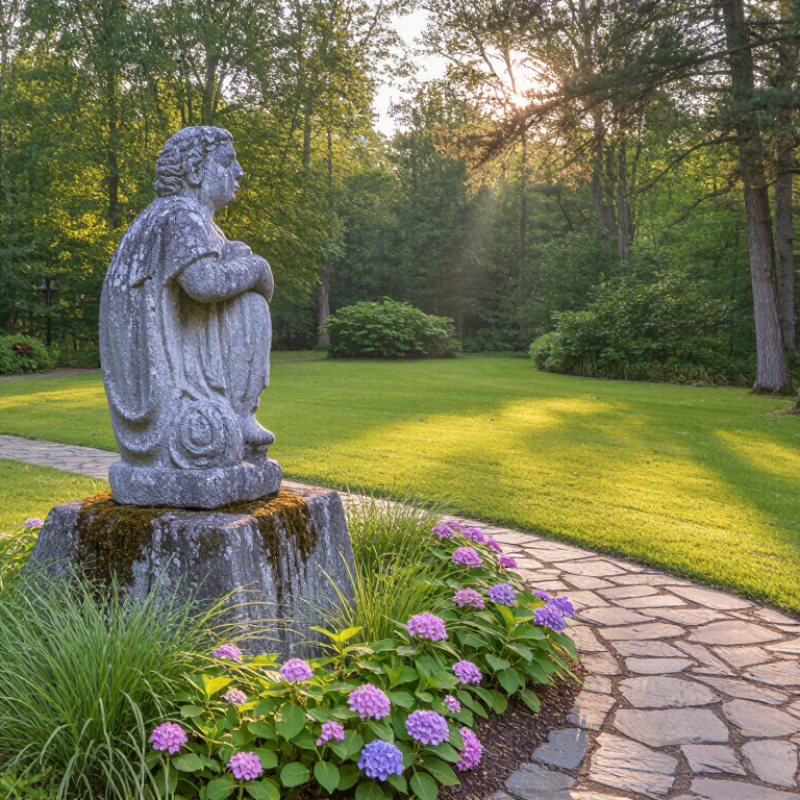
Stone garden sculptures are three-dimensional artworks made from natural or composite stone for outdoor display. Craftspeople may carve granite, limestone, marble, or sandstone by hand and machine. Each material has a different texture, weight, and response to weather. A granite bird may show crisp feathers for decades. Softer limestone often develops a gentler, weathered surface.
These sculptures can represent animals, people, fountains, columns, or abstract shapes. They add height and structure beside flower beds, paths, and quiet seating areas. Their visual effect changes with sunlight. Morning light can reveal shallow tool marks, while rain darkens the stone’s natural grain. I have found that scale matters more than many homeowners expect. A small statue may disappear near tall shrubs.
Durability depends on more than the stone itself. Good placement needs stable ground, safe clearance, and effective drainage. In freezing climates, trapped water may expand inside cracks. Moss can also make a shaded base slippery. Regular inspection helps identify chips, leaning, or open joints before damage spreads. The sculpture should not always look untouched. Weathering can add character, although heavy staining may signal poor drainage. I once underestimated how quickly nearby roots could disturb a pedestal. That mistake changed my approach to site planning. A carefully chosen stone sculpture can feel established, but its setting still needs practical attention.
| Evaluation Dimension | Granite | Marble | Limestone | Sandstone | Why It Matters Outdoors |
|---|---|---|---|---|---|
| What It Is | Coarse-grained igneous rock formed from slowly cooled magma. | Crystalline metamorphic rock formed when limestone is altered by heat and pressure. | Sedimentary rock composed primarily of calcium carbonate minerals. | Sedimentary rock made mainly from cemented sand-sized mineral grains. | Each stone type has a different appearance, hardness, porosity, and weathering response. |
| Typical Mohs Hardness | Approximately 6–7 | Approximately 3–5 | Approximately 3–4 | Approximately 6–7 when quartz-rich; softer varieties also occur | Harder stones generally resist scratching and surface abrasion more effectively. |
| Outdoor Durability | Very good resistance to abrasion, rain, and temperature changes when properly selected and installed. | Good structural durability, but the polished surface can dull and the stone may weather in acidic conditions. | Moderate; can gradually dissolve or weather in acidic rain and polluted environments. | Moderate to good, depending on grain bonding, porosity, and local freeze-thaw conditions. | Durability helps determine whether a sculpture remains stable and attractive over many seasons. |
| Water and Porosity Considerations | Usually low to moderate porosity, although fissures and mineral variation may occur. | Low to moderate porosity; porous varieties require careful sealing and maintenance. | Often porous and capable of absorbing water, especially when left unsealed. | Frequently porous; water absorption varies substantially between varieties. | Water absorption affects staining, freeze-thaw performance, algae growth, and cleaning requirements. |
| Resistance to Acidic Exposure | Generally good, though some minerals may react or discolor under particular conditions. | Lower resistance because calcium carbonate reacts with acids. | Low resistance because calcium carbonate reacts readily with acids. | Varies according to mineral composition and cementing material. | Areas exposed to acid rain, de-icing chemicals, or acidic soil may require more suitable stone selection. |
| Common Visual Character | Speckled crystals, strong color variation, and a substantial architectural appearance. | Veining, soft color transitions, and a refined decorative appearance. | Warm neutral tones, natural fossil patterns, and a softer rustic appearance. | Visible grains, layered textures, and earthy colors that blend naturally with planting. | Natural color and texture allow a sculpture to complement paths, planting beds, water features, and patios. |
| Recommended Finish | Flamed, honed, or textured finishes can provide a natural look and reduce visible wear. | Honed or matte finishes are often more practical outdoors than highly polished surfaces. | Honed, brushed, or naturally textured finishes help preserve a traditional garden character. | Natural cleft, sawn, or lightly textured finishes emphasize the stone’s grain. | Textured finishes can improve visual integration and may be less slippery than polished surfaces. |
| Maintenance Needs | Usually low; routine dust removal and periodic inspection are generally sufficient. | Moderate; clean with pH-neutral products and inspect for staining, etching, or surface wear. | Moderate to high; regular cleaning and suitable sealing may be needed in wet or polluted settings. | Moderate; remove organic growth and monitor for water-related deterioration. | Simple maintenance helps preserve the sculpture’s surface and reduces long-term restoration work. |
| Typical Cleaning Approach | Soft brush or low-pressure water with a pH-neutral cleaner. | Soft cloth or brush with a pH-neutral stone cleaner; avoid acidic products. | Gentle brushing and pH-neutral cleaning; avoid vinegar and other acidic cleaners. | Gentle brushing and low-pressure rinsing; avoid aggressive blasting that can remove grains. | Gentle cleaning protects the stone surface and prevents accidental etching or erosion. |
| Best Garden Applications | Large focal sculptures, entrance features, formal gardens, and high-traffic areas. | Decorative focal points, sheltered courtyards, classical settings, and low-impact garden zones. | Rustic gardens, Mediterranean-style landscapes, walls, and sheltered ornamental areas. | Naturalistic gardens, rock gardens, informal paths, and landscapes using earthy textures. | |
| Installation Considerations | Heavy weight requires a stable, level base and suitable lifting equipment for large pieces. | Protect from impact and confirm that the base can support the stone safely. | Use a well-drained foundation and avoid prolonged contact with standing water. | Provide good drainage and position the sculpture to reduce persistent moisture exposure. | Correct installation reduces tipping, cracking, staining, and movement caused by water or frost. |
| Primary Advantage | High hardness and strong resistance to everyday outdoor wear. | Distinctive veining and an elegant, sculptural appearance. | Warm, naturally weathered character that suits traditional landscapes. | Earthy texture and strong visual connection with rocks, soil, and planting. | Stone sculptures provide durable, low-energy garden accents made from a naturally varied material. |
| Potential Limitation | Large pieces can be extremely heavy, and some finishes may show mineral variation. | More vulnerable to scratching, etching, and acid-related surface damage. | More susceptible to staining, moisture absorption, and acid weathering. | Porosity and grain bonding can vary, affecting resistance to moisture and frost. | Understanding limitations helps match the sculpture to the site’s climate and maintenance plan. |
Why Choose Stone Garden Sculptures for Outdoor Spaces?
Stone garden sculptures enhance outdoor spaces by adding structure, texture, and a lasting focal point. Their natural surfaces catch changing light, while carved edges create shadows near paths, lawns, or planting beds. Unlike seasonal flowers, stone remains visually present through rain, heat, and winter. That permanence can make a garden feel more intentional.
The National Association of Realtors’ 2023 Remodeling Impact Report gave landscape maintenance a 104% cost recovery estimate and a 9.4 out of 10 homeowner joy score. These figures support thoughtful outdoor investment, although sculptures are not a guaranteed financial return. Placement matters more than size. A waist-high stone form beside ornamental grasses may feel balanced, while the same piece can overwhelm a narrow entrance. I once preferred a dramatic centerpiece, but it made the surrounding plants look insignificant. That mistake still matters.
Tips: Check the sculpture from several angles before installation. Leave breathing room around it. Use gravel or low ground cover to improve drainage and reduce mud stains. Choose a stable base, especially on sloped ground. The U.S. Environmental Protection Agency notes that vegetation lowers surface and air temperatures through shade and evapotranspiration. Positioning stone near trees can therefore combine solid texture with cooler, softer surroundings. Avoid hiding every surface; some weathering gives the piece character. Too much perfection can make a garden feel strangely unfinished.
Stone choice shapes how a garden sculpture ages outdoors.
Granite is dense, strong, and resistant to rain, frost, and daily temperature changes. It suits large figures, animal forms, and exposed courtyards. Basalt offers a darker, quieter appearance. Its fine texture works well beside water, gravel, or modern planting.
Limestone has a softer color and carves easily, making it suitable for detailed ornaments. However, its porous surface can absorb moisture and show weathering sooner. Sandstone brings warm shades and visible layers, but it needs thoughtful placement away from constant water flow. Marble creates elegant veining and smooth highlights. It may require more care in polluted or freezing environments.
I once underestimated how quickly pale stone showed leaf stains. The sculpture looked different after one wet season. That changed my material checks.
Tips:
Match the stone to your climate, drainage, and maintenance habits. Ask for a sample and inspect it after wetting. Check for cracks, weak layers, and uneven density. A local stone professional can confirm frost resistance and suitable installation depth. Sealers may help some stones, but they cannot correct poor drainage.
Leave enough space around the base for airflow and cleaning. Dark stone can become very hot in direct summer sun. Pale stone may reveal moss, dust, and bird marks more clearly. Some weathering is natural, not necessarily a defect. Yet, I still prefer testing a small area first.
Choosing the right stone garden sculpture begins with your garden, not the sculpture itself. Walk through the space at different times of day. Notice the sunlight, shadows, wind, and wet areas. A tall figure may suit a wide lawn, while a low carving can anchor a narrow flower bed. Leave enough room around it. Crowded art often looks accidental.
Consider stone type and local weather carefully. Dense stone usually handles rain and seasonal temperature changes better than porous stone. Ask about sealing, frost resistance, drainage, and recommended cleaning methods. An experienced stoneworker should explain natural color changes and small surface variations. These marks are not always defects. They can make the piece feel connected to the landscape.
Scale matters more than online photographs suggest. Measure the intended area and mark the sculpture’s footprint with cardboard or stones. View it from the path, windows, and seating area. I once chose a piece that looked elegant in a showroom but felt too small beside mature shrubs. That mistake changed my method. Test the proportions first.
Choose a design that supports the garden’s mood without competing with plants. Soft curves can balance clipped hedges, while simple geometric forms may complement modern paving. Check the base for stability, especially in exposed gardens. Installation should rest on firm, level ground and follow local safety guidance. Stone is durable, but placement still requires care.
Stone garden sculptures bring weight, texture, and quiet character to outdoor spaces. Their natural surfaces change gently with weather. However, outdoor stone needs regular care to remain attractive and structurally sound.
I inspect each sculpture after heavy rain, frost, or strong wind. Small cracks can collect water and expand during freezing weather. A soft brush removes soil, leaves, and bird droppings without scratching the surface. For stubborn marks, I use clean water and a pH-neutral stone cleaner. Harsh acids, bleach, and wire brushes may cause permanent damage. Less pressure works better.
Keep the sculpture away from constant irrigation. Sprinklers can leave mineral deposits and encourage algae growth. Good drainage matters too. I place the base on stable gravel or a level stone pad, not directly in wet soil. This reduces staining and uneven settling. During winter, I check for trapped water in carved openings. Sometimes, I miss a small area on the first inspection. A second look helps.
Avoid applying sealers casually. Some products trap moisture inside porous stone. Test any treatment on a hidden section first, then follow the product’s technical instructions. Record visible changes with photographs each season. This simple habit makes maintenance more reliable and reveals slow damage early. If a crack widens, the sculpture tilts, or a section becomes loose, consult a qualified stone conservator. DIY repairs can make the original problem harder to assess.
We use cookies on our website to give you an improved browser experience. View our Privacy Policy for more information. Please make your selection to opt in or out of ALL cookies here: Accept or Decline
Do you consent to the use of ALL cookies?
901 2nd Court West
Birmingham, AL 35204
Sales: 866.481.4036
Logistics/Ops: 866.481.4036
2101 Dralle Road
University Park, IL 60466
Sales: 708.813.9070
Logistics/Ops: 708.235.4200
400 E. 13th Street
Little Rock, AR 72114
Sales: 866.760.5344
Logistics/Ops: 866.760.5344
225 Collins Road
Elkhart, IN 46515
Sales: 574.295.0214
Logistics/Ops: 574.607.4611
601 Berryman Pike
Tipton, IN 46072
Sales: 800.897.7591
Logistics/Ops: 800.897.7591
3900 Uvalda Street
Denver, CO 80239
Sales: 303.706.8000
Ops/Logistics: 303.576.8398
510 3rd Street E
Milan, IL 61264
Sales: 800.322.1052
Logistics/Ops: 800.322.1052
1660 E. Aurora
Des Moines, IA 50313
Sales: 800.671.1660
Logistics: 800.671.1660
86554 Gene Lasserre Blvd.
Yulee, FL 32097
Sales: 904.253.3060
Logistics/Ops: 904.225.3000
694 S.E. County Road 245
Lake City, FL 32025
Sales: 800.727.6706
Logistics/Ops: 386.752.7412
210 Neptune Road
Auburndale, FL 33823
Sales: 863.967.1131
Logistics/Ops: 863.777.9814
4601 McCoy Drive
Pensacola, FL 32503
Sales: 850.308.7030
Logistics/Ops: 850.434.5502
815 South 56th Street
Tampa, FL 33619
Sales: 813.302.1940
Logistics/Ops: 813.621.1352
200 Hosea Road
Lawrenceville, GA 30046
Sales: 770.953.7575
Logistics/Ops: 770.513.6000
Branch Product Guide
Branch Line Card
Moulding Offering
Cedar Offering
Column Offering
8173 Hwy. 165 North
Monroe, LA 71211
Sales: 800.256.4165
Logistics/Ops: 800.256.4165
508 Warren Avenue
Portland, ME 04103
Sales: 207.888.2331
Logistics/Ops: 207.797.6565
4300 Georgia Pacific Blvd.
Frederick, MD 21704
Sales: 301.798.7474
Logistics/Ops: 301.874.8000
419 Maple Street
Bellingham, MA 02019
Sales: 508.449.0535
Logistics/Ops: 508.966.5500
825 Buchanan Ave SW
Grand Rapids, MI 49507
Sales: 877.800.1180
Logistics/Ops: 616.278.0909
995 Pacific St. NW
Aitkin, MN 56431
Sales: 800.432.3727
Logistics/Ops: 218.212.7770
1102 Port Terminal Drive
Duluth, MN 55802
Sales: 800.951.9899
Logistics/Ops: 800.851.9899
9110 83rd Ave. North
Brooklyn Park, MN 55445
Sales: 763.425.0204
Logistics/Ops: 763.425.0204
910 E. Railroad Street
Long Beach, MS 39560
Sales: 866.535.4135
Logistics/Ops: 228.205.2400
1727 Warren Street
North Kansas City, MO 64116
Sales: 800.621.2611
Logistics/Ops: 800.621.2611
2123 North Golden
Springfield, MO 65803
Sales: 800.375.7891
Logistics/Ops: 800.375.7891
13860 Corp. Woods Trail
Bridgeton, MO 63044
Sales: 314.209.0800
Logistics/Ops: 314.209.0800
1109 South 19th Street
Omaha, NE 68108
Sales: 800.489.6637
Logistics/Ops: 800.489.6637
1 Luger Road
Denville, NJ 07834
Sales: 973-339-3539
Logistics/Ops: 973.625.1461
3720 Jeffrey Blvd.
Blasdell, NY 14219
Sales: 716.235.5989
Logistics/Ops: 716.825.6557
319 Yaphank Ave.
Yaphank, NY 11980
Sales: 631.358.5714
Logistics/Ops: 631.924.7401
3300 Parkside Drive
Charlotte, NC 28208
Sales: 800.839.2588
Logistics/Ops: 704.394.3172
1712 East D Street
Butner, NC 27509
Sales: 984.389.8200
Logistics/Ops: 919.575.3700
128 Foothills Drive
Statesville, NC 28687
Sales: 800.222.1414
Logistics/Ops: 704.394.3172
550 Munroe Falls Rd.
Tallmadge, OH 44278
Sales: 330.357.4506
Logistics/Ops: 330.794.1141
10347 Toebben Dr.
Independence, KY 41051
Sales: 859.298.3926
Logistics/Ops: 859.746.2250
450 N. MacArthur
Oklahoma City, OK 73127
Sales: 800.375.6025
Logistics/Ops: 800.375.6025
1680 North Aspen
Broken Arrow, OK 74012
Sales: 918.272.2212
Logistics/Ops: 918.272.2212
522 Bridge Street
Hunker, PA 15639
Sales: 878.217.2001
Logistics/Ops: 724.925.7285
4290 Atlanta Street
Charleston, SC 29418
Sales: 843.371.1420
Logistics/Ops: 843.554.8192
1040 S. Industrial Dr.
Erwin, TN 37650
Sales: 423.641.1005
Logistics/Ops: 423.742.5911
4287 Pilot Drive
Memphis, TN 38118
Sales: 901.365.2101
Logistics/Ops: 901.365.2101
700 Myatt Drive
Madison, TN 37115
Sales: 615.327.9547
Logistics/Ops: 629.777.4949
4747 Mark IV Parkway
Fort Worth, TX 76106
Sales: 866.323.5117
Logistics/Ops: 817.625.9091
6990 Market Avenue
El Paso, TX 79915
Sales: 915.778.6356
Logistics/Ops: 915.265.7200
2502 Wilson Road
Harlingen, TX 78552
Sales: 800.580.6711
Logistics/Ops: 800.580.6711
10,000 North Loop East
Houston, TX 77029
Sales: 713.921.1977
Logistics/Ops: 713.675.3544
702 East 44th St.
Lubbock, TX 79404
Sales: 866.454.6010
Logistics/Ops: 866.454.6010
535 N. WW White Road
San Antonio, TX 78219
Sales: 800.284.0488
Logistics/Ops: 210.333.8112
142 Pine Haven Shores Rd.
Shelburne, VT 05482
Sales: 802.800.2540
Logistics/Ops: 802.985.2512
4700 Bethlehem Road,
Richmond, VA 23230
Sales: 804.201.2400
Logistics/Ops: 804.342.1161
4516 N Barker Road
Spokane Valley, WA 99027
Phone: 509.892.9420
Toll free: 800.728.6157
8365 N. 76th Street
Milwaukee, WI 53223
Sales: 800.356.9245
Logistics/Ops: 800.356.9245
312 S. Chester Street
Sparta, WI 54656
Sales: 800.362.5864
Logistics/Ops: 800.362.5864
899 Grossman Drive
Schofield, WI 54476
Sales: 800.472.0017
Logistics/Ops: 800.472.0017
