We use cookies on our website to give you an improved browser experience. View our Privacy Policy for more information. Please make your selection to opt in or out of ALL cookies here: Accept or Decline
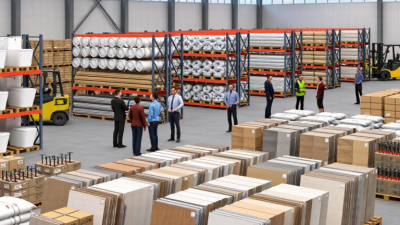
Global contractors need more than a roof, loading doors, and competitive rent. They need dependable access to materials, tools, spare parts, and project equipment. The right contractors warehouse can reduce delivery delays across construction sites, maintenance projects, and infrastructure programs. However, warehouse performance changes sharply between regions.
CBRE’s 2024 Global Industrial & Logistics Occupier Survey highlights transport costs, labor availability, and supply-chain resilience as major occupier concerns. These factors directly affect warehouse selection. A cross-dock facility may suit fast-moving supplies, while a bulk-material warehouse needs reinforced floors, wide turning areas, and high-capacity loading equipment. Urban contractor depots can shorten last-mile delivery times. Regional distribution centers may offer stronger inventory control and broader market coverage.
The DHL Logistics Trend Radar also emphasizes automation, data visibility, and resilient logistics networks. Yet technology is not always the answer. A sophisticated system can create unnecessary costs when local labor, electricity, or maintenance support remains limited. That point deserves honest attention.
This guide compares the leading contractors warehouse types used by global buyers. It examines layout, storage capacity, handling equipment, location, security, scalability, and operational risks. It also considers practical details, such as whether a forklift can reach upper racks safely or whether trucks can enter during peak traffic. No warehouse type wins everywhere. Country conditions, project timelines, product dimensions, and service expectations still matter. Global buyers should treat report findings as decision support, not universal instructions. Small operational assumptions can produce expensive mistakes.
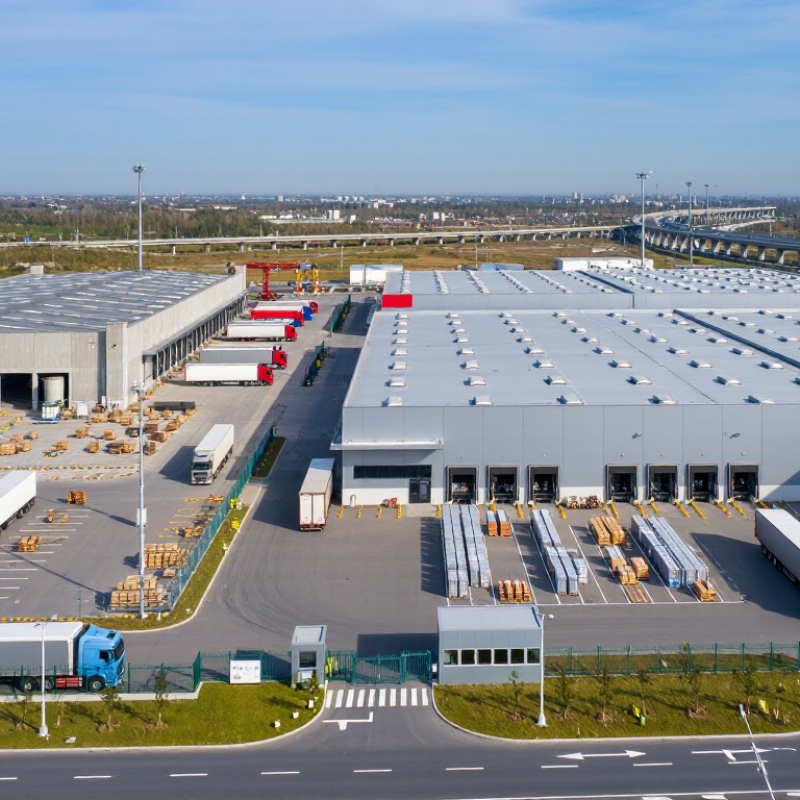
A contractor warehouse is a storage and coordination facility that supports construction, maintenance, and installation projects. It holds materials, tools, spare parts, and protective equipment until crews need them. Unlike a general warehouse, it organizes stock around project schedules, site locations, and technical requirements.
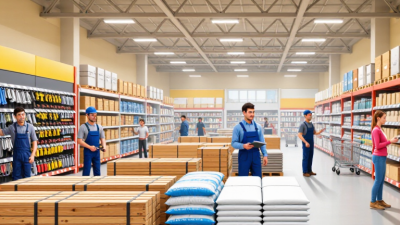
Its purpose is practical. It reduces delays by placing the right items near the right worksite. A typical facility includes receiving docks, inspection areas, labeled storage zones, and dispatch bays. Workers may separate electrical components, pipes, fasteners, and safety supplies by project. Barcode scanning can record every movement, from pallet arrival to final delivery. Space matters.
Common warehouse types include regional distribution hubs, project-specific storage sites, and cross-docking facilities. A regional hub serves several markets and holds deeper inventory. A project warehouse supports one large contract and may prepare kits for daily installation teams. Cross-docking moves verified goods from inbound vehicles to outbound transport with little storage time. This approach can save space, but it demands accurate timing.
Core functions include supplier receiving, quantity checks, damage inspection, inventory control, order picking, kitting, and scheduled dispatch. Staff should also maintain clear records for origin, specifications, handling, and delivery status. In my experience, small labeling errors create surprisingly expensive delays. Mistakes happen. A reliable operator uses cycle counts and routine checks, not only software reports. The process is rarely perfect, especially during urgent changes. That gap deserves review.
Contractors worldwide use several warehouse types to control materials, tools, and project schedules. General storage warehouses suit cement boards, fittings, fasteners, and packaged equipment. They usually offer loading docks, pallet racking, security controls, and basic inventory systems. Project warehouses are closer to construction sites and hold materials for one specific contract. This reduces transport delays, especially in crowded cities or remote regions. However, rushed receiving can create misplaced stock and inaccurate records.
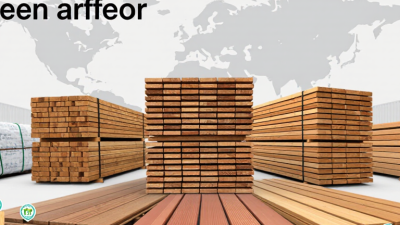
Cross-docking warehouses move goods from incoming trucks to outgoing vehicles with limited storage time. They work well for scheduled deliveries and large infrastructure projects. Bulk material yards handle pipes, steel sections, timber, and other oversized products. Climate-controlled warehouses protect sensitive electrical parts, coatings, and precision tools from heat and humidity. Urban micro warehouses provide smaller storage points near active sites. They save travel time, but their capacity is often restricted. A bigger building is not always the better choice.
Tips: Match warehouse design with material risks, delivery frequency, and project location. Check floor strength, access roads, drainage, fire protection, and lifting equipment before signing an agreement. Request recent inventory records and inspect actual storage conditions. Clear labeling and barcode checks improve reliability. Local building and safety requirements also matter. I have seen projects lose days because a warehouse had space, but no suitable unloading equipment. That detail deserves more attention.
| Warehouse Type | Primary Function | Typical Construction Materials or Goods | Common Operating Characteristics | Typical Location | Key Infrastructure | Main Buying Considerations for Contractors |
|---|---|---|---|---|---|---|
|
General-Purpose Storage Warehouse
Most versatile |
Stores standard materials, tools, spare parts, and finished products before delivery to construction sites or customers. | Bagged cement, fittings, fasteners, pipes, packaged tools, electrical supplies, interior products, and non-perishable goods. | Uses pallet racking, shelving, floor stacking, receiving areas, picking zones, and dispatch bays. | Industrial estates, regional cities, and locations close to major road networks. | Loading docks, forklifts, pallet racks, industrial lighting, ventilation, fire protection, and inventory-control systems. | Clear height, floor load capacity, access for delivery vehicles, storage density, fire-code compliance, and expansion potential. |
|
Distribution Center
High-throughput |
Receives goods in bulk, sorts orders, and distributes materials to multiple projects, branches, dealers, or job sites. | Mixed building supplies, maintenance items, tools, packaged equipment, plumbing products, and electrical components. | Designed for frequent inbound and outbound movements, order consolidation, cross-docking, and route-based dispatch. | Near large population centers, highway intersections, ports, airports, or major contractor markets. | Multiple dock doors, staging lanes, barcode or RFID systems, conveyor equipment, fleet access, and warehouse-management software. | Truck turnaround time, dock capacity, labor efficiency, inventory accuracy, traffic flow, and compatibility with regional delivery schedules. |
|
Cross-Docking Facility
Low storage time |
Transfers incoming goods directly to outbound vehicles with limited or no long-term storage. | Pre-ordered construction materials, project kits, time-sensitive components, and consolidated supplier shipments. | Goods are received, sorted, staged, and dispatched rapidly, often within the same day. | Transport corridors, port areas, airport logistics zones, and sites serving several nearby projects. | Large dock-to-dock layout, clearly marked staging areas, yard-management controls, scanning equipment, and strong transport coordination. | Dock-door ratio, vehicle circulation, scheduling accuracy, staging space, delivery reliability, and proximity to suppliers and projects. |
|
Bulk Materials Warehouse
Heavy-duty storage |
Stores large-volume, heavy, or oversized materials that require specialized handling and substantial floor space. | Steel products, timber, concrete products, aggregates, drywall, insulation, structural sections, pipes, and bulk packaging. | Relies on floor storage, cantilever racks, heavy-duty racks, overhead cranes, or outdoor covered storage. | Industrial zones, manufacturing areas, quarries, ports, and locations with direct access for heavy vehicles. | High floor load rating, wide aisles, overhead lifting equipment, reinforced yards, weather protection, and safe material-separation zones. | Load-bearing capacity, crane capacity, corrosion protection, vehicle turning radius, drainage, material length, and handling safety. |
|
Building Materials Yard
Indoor and outdoor |
Holds materials that can be stored outdoors or under canopy and supplies them directly to construction sites. | Bricks, blocks, paving products, rebar, pipes, lumber, scaffolding, formwork, tiles, and packaged landscape materials. | Combines open storage, covered bays, forklift handling, batch picking, and vehicle loading. | Peripheral industrial districts and areas with adequate land, road access, and separation from dense residential zones. | Paved yard, drainage, perimeter security, covered storage, lifting equipment, traffic signage, and weather-resistant labeling. | Land utilization, surface durability, drainage, security, local zoning, dust control, seasonal weather, and heavy-vehicle access. |
|
Temperature-Controlled Warehouse
Climate-sensitive goods |
Maintains controlled temperature or humidity for materials and products that may deteriorate under unsuitable conditions. | Temperature-sensitive chemicals, sealants, coatings, adhesives, selected medical or electrical products, and moisture-sensitive materials. | Uses monitored storage zones with defined temperature ranges, restricted access, and documented handling procedures. | Near major distribution markets, specialist manufacturing areas, ports, or project regions requiring controlled products. | Insulated panels, HVAC systems, humidity monitoring, backup power, alarms, airlocks, and calibrated data loggers. | Required temperature range, energy consumption, backup systems, monitoring records, maintenance support, and regulatory requirements. |
|
Hazardous Materials Warehouse
Controlled storage |
Stores flammable, corrosive, toxic, reactive, or otherwise regulated materials in accordance with safety requirements. | Solvents, paints, fuels, compressed gases, industrial chemicals, coatings, and selected construction treatment products. | Uses segregated storage, strict receiving procedures, quantity controls, safety documentation, and emergency-response planning. | Permitted industrial zones with appropriate separation distances and emergency-service access. | Fire-rated construction, spill containment, ventilation, grounding, gas detection, emergency showers, alarms, and compliant signage. | Local regulations, permitted quantities, fire protection, chemical compatibility, insurance requirements, employee training, and emergency procedures. |
|
Bonded or Customs Warehouse
International trade |
Holds imported goods under customs control before duties, taxes, or other import procedures are completed. | Imported machinery, tools, project equipment, spare parts, construction components, and consolidated international shipments. | Requires controlled access, inventory traceability, customs documentation, and clear separation of uncleared goods. | Ports, airports, inland container depots, free-trade areas, and major international logistics hubs. | Secure perimeter, customs-compliant records, surveillance, sealed storage areas, cargo-handling equipment, and inspection space. | Authorization requirements, customs procedures, storage charges, documentation accuracy, security controls, and transit time to the project. |
|
Cold Storage Warehouse
Refrigerated operations |
Preserves goods that require refrigeration or freezing during storage and distribution. | Food-service supplies for worker facilities, temperature-sensitive materials, selected chemicals, and products used in specialized projects. | Operates through chilled, frozen, or multi-temperature zones with strict loading and door-management procedures. | Near food-service markets, ports, airports, distribution hubs, and large project regions. | Refrigeration systems, insulated envelopes, dock shelters, temperature alarms, backup power, and thermal curtains. | Temperature stability, energy efficiency, maintenance response, condensation control, backup capacity, and loading speed. |
|
Automated High-Bay Warehouse
Space-efficient |
Stores palletized goods at significant height and automates storage, retrieval, and inventory movement. | Standardized pallets of fittings, tools, packaged equipment, electrical goods, hardware, and repeat-use materials. | Provides high storage density, controlled locations, automated retrieval, and reduced manual travel within the storage area. | Land-constrained industrial areas and high-volume distribution networks. | High-bay racking, stacker cranes or automated vehicles, warehouse-management software, scanners, sensors, and reliable power. | Initial investment, pallet standardization, software integration, maintenance capability, backup procedures, and throughput requirements. |
|
Project-Specific Staging Warehouse
Temporary or dedicated |
Consolidates, sequences, and stages materials for a specific construction project or installation schedule. | Pre-fabricated assemblies, mechanical and electrical packages, fixtures, tools, site consumables, and installation kits. | Uses project-coded inventory, delivery sequencing, quality checks, kitting, and scheduled release to the job site. | Close to the construction site, often in temporary leased facilities or nearby industrial buildings. | Secure access, project labeling, staging lanes, loading equipment, inspection areas, weather protection, and digital tracking. | Distance to site, lease flexibility, security, delivery-window coordination, material sequencing, and ability to handle changing project plans. |
A general distribution warehouse suits mixed contractor orders, from fittings to packaged tools. Its core features include pallet racking, barcode scanning, loading bays, and adjustable shelving. Forklifts and pallet jacks support fast movement. The 2024 MHI Annual Industry Report states that 83% of supply chain professionals expect to adopt inventory and network optimization within five years. Buyers should therefore request real-time stock visibility, not only a storage address. Simple, but often missed.
A cross-dock warehouse is designed for speed rather than long-term storage. Goods arrive, are checked, sorted, and transferred to outbound vehicles with minimal shelving. Dock levelers, conveyor lines, handheld scanners, and staging lanes are essential equipment. This model can reduce handling time, but it depends on accurate delivery schedules. One late shipment may disrupt several orders. That weakness deserves careful review.
Climate-controlled warehouses protect sensitive materials such as sealants, coatings, electrical components, and selected building products. They require temperature monitoring, humidity sensors, backup power, insulated zones, and documented inspection routines. The International Energy Agency reported that buildings accounted for about 30% of global final energy consumption in 2022, including operational energy use. Efficient warehouse design matters for both product quality and operating cost. Buyers should examine temperature records, maintenance logs, emergency procedures, and calibration evidence before signing. A polished facility can still have poor control discipline.
Global buyers should compare contract logistics warehouses by operating fit, not floor area alone. Shared-user facilities suit variable volumes and offer flexible pallet storage. Dedicated warehouses provide tighter control, customized layouts, and reserved labor capacity. Cross-dock sites reduce storage time for fast-moving shipments. Temperature-controlled facilities require stricter monitoring and higher energy budgets.
Start with a weighted scorecard. Measure location against ports, airports, suppliers, and final customers. The World Bank’s 2023 Logistics Performance Index evaluates 139 economies across infrastructure, logistics competence, and timeliness. These indicators help buyers test whether a warehouse’s location supports dependable delivery. UNCTAD’s Review of Maritime Transport confirms that over 80% of international goods trade moves by sea. Port access remains critical. Ask for measured transit times, not attractive estimates.
Then compare warehouse controls. Review inventory accuracy, cycle-count frequency, dock-door capacity, order cut-off times, claims history, and system integration. Require evidence from recent operating records. A low storage rate can become expensive when handling fees, congestion, and emergency transport appear later. Costs hide. Check peak-season staffing and backup power before signing. No scoring model is perfect. Forecasts change, and some facilities may underreport delays. Buyers should test assumptions with a small trial shipment, inspect loading practices, and document service-level remedies.
Global buyers should match the warehouse contractor to product flow, not just quoted rent. Build-to-suit facilities suit stable volumes and automation. Multi-client warehouses offer faster entry and shared labor. Urban cross-docks reduce final-mile distance, but sacrifice storage depth. The World Bank’s 2023 Logistics Performance Index covered 139 economies and 4,090 survey responses. Its findings make location more than a map exercise. Border reliability and shipment tracking affect usable capacity. Near ports is not always better. Congestion can erase the advantage.
Capacity needs a practical stress test. Ask for peak-day throughput, dock doors, clear height, backup power, and expansion rights. A contractor claiming “large capacity” should provide audited utilization and recent peak records. For food, medicine, or temperature-sensitive goods, compliance must include calibrated monitoring, sanitation controls, recall procedures, and trained staff. The contractor should map local permits, customs processes, fire codes, and data-protection duties before signing. UNCTAD’s Review of Maritime Transport 2024 reported 2.4% maritime trade growth in 2023 and highlighted disruption-driven rerouting. That evidence supports buffer space and alternate gateways, even when they appear inefficient.
Compare total landed cost, not warehouse rent alone. Include handling, storage, transport, utilities, insurance, inspections, technology integration, and exit fees. Request a three-year model with low, normal, and peak scenarios. Practical sourcing reviews often find that cheap capacity hides weak labor coverage or costly transfer miles. Still, capacity forecasts can be wrong. Seasonality, customs delays, and sudden channel shifts deserve explicit assumptions. A useful contract sets service levels, measurement rules, remediation, and transparent escalation. Do not accept perfect forecasts. Test the contractor’s evidence.
Scores use a five-point operational benchmark: higher values indicate stronger suitability for global buyers. Regional distribution centers typically provide the best balance of location coverage, storage capacity, regulatory readiness, and cost, while cold-storage facilities require higher investment and operating costs.
We use cookies on our website to give you an improved browser experience. View our Privacy Policy for more information. Please make your selection to opt in or out of ALL cookies here: Accept or Decline
Do you consent to the use of ALL cookies?
901 2nd Court West
Birmingham, AL 35204
Sales: 866.481.4036
Logistics/Ops: 866.481.4036
2101 Dralle Road
University Park, IL 60466
Sales: 708.813.9070
Logistics/Ops: 708.235.4200
400 E. 13th Street
Little Rock, AR 72114
Sales: 866.760.5344
Logistics/Ops: 866.760.5344
225 Collins Road
Elkhart, IN 46515
Sales: 574.295.0214
Logistics/Ops: 574.607.4611
601 Berryman Pike
Tipton, IN 46072
Sales: 800.897.7591
Logistics/Ops: 800.897.7591
3900 Uvalda Street
Denver, CO 80239
Sales: 303.706.8000
Ops/Logistics: 303.576.8398
510 3rd Street E
Milan, IL 61264
Sales: 800.322.1052
Logistics/Ops: 800.322.1052
1660 E. Aurora
Des Moines, IA 50313
Sales: 800.671.1660
Logistics: 800.671.1660
86554 Gene Lasserre Blvd.
Yulee, FL 32097
Sales: 904.253.3060
Logistics/Ops: 904.225.3000
694 S.E. County Road 245
Lake City, FL 32025
Sales: 800.727.6706
Logistics/Ops: 386.752.7412
210 Neptune Road
Auburndale, FL 33823
Sales: 863.967.1131
Logistics/Ops: 863.777.9814
4601 McCoy Drive
Pensacola, FL 32503
Sales: 850.308.7030
Logistics/Ops: 850.434.5502
815 South 56th Street
Tampa, FL 33619
Sales: 813.302.1940
Logistics/Ops: 813.621.1352
200 Hosea Road
Lawrenceville, GA 30046
Sales: 770.953.7575
Logistics/Ops: 770.513.6000
Branch Product Guide
Branch Line Card
Moulding Offering
Cedar Offering
Column Offering
8173 Hwy. 165 North
Monroe, LA 71211
Sales: 800.256.4165
Logistics/Ops: 800.256.4165
508 Warren Avenue
Portland, ME 04103
Sales: 207.888.2331
Logistics/Ops: 207.797.6565
4300 Georgia Pacific Blvd.
Frederick, MD 21704
Sales: 301.798.7474
Logistics/Ops: 301.874.8000
419 Maple Street
Bellingham, MA 02019
Sales: 508.449.0535
Logistics/Ops: 508.966.5500
825 Buchanan Ave SW
Grand Rapids, MI 49507
Sales: 877.800.1180
Logistics/Ops: 616.278.0909
995 Pacific St. NW
Aitkin, MN 56431
Sales: 800.432.3727
Logistics/Ops: 218.212.7770
1102 Port Terminal Drive
Duluth, MN 55802
Sales: 800.951.9899
Logistics/Ops: 800.851.9899
9110 83rd Ave. North
Brooklyn Park, MN 55445
Sales: 763.425.0204
Logistics/Ops: 763.425.0204
910 E. Railroad Street
Long Beach, MS 39560
Sales: 866.535.4135
Logistics/Ops: 228.205.2400
1727 Warren Street
North Kansas City, MO 64116
Sales: 800.621.2611
Logistics/Ops: 800.621.2611
2123 North Golden
Springfield, MO 65803
Sales: 800.375.7891
Logistics/Ops: 800.375.7891
13860 Corp. Woods Trail
Bridgeton, MO 63044
Sales: 314.209.0800
Logistics/Ops: 314.209.0800
1109 South 19th Street
Omaha, NE 68108
Sales: 800.489.6637
Logistics/Ops: 800.489.6637
1 Luger Road
Denville, NJ 07834
Sales: 973-339-3539
Logistics/Ops: 973.625.1461
3720 Jeffrey Blvd.
Blasdell, NY 14219
Sales: 716.235.5989
Logistics/Ops: 716.825.6557
319 Yaphank Ave.
Yaphank, NY 11980
Sales: 631.358.5714
Logistics/Ops: 631.924.7401
3300 Parkside Drive
Charlotte, NC 28208
Sales: 800.839.2588
Logistics/Ops: 704.394.3172
1712 East D Street
Butner, NC 27509
Sales: 984.389.8200
Logistics/Ops: 919.575.3700
128 Foothills Drive
Statesville, NC 28687
Sales: 800.222.1414
Logistics/Ops: 704.394.3172
550 Munroe Falls Rd.
Tallmadge, OH 44278
Sales: 330.357.4506
Logistics/Ops: 330.794.1141
10347 Toebben Dr.
Independence, KY 41051
Sales: 859.298.3926
Logistics/Ops: 859.746.2250
450 N. MacArthur
Oklahoma City, OK 73127
Sales: 800.375.6025
Logistics/Ops: 800.375.6025
1680 North Aspen
Broken Arrow, OK 74012
Sales: 918.272.2212
Logistics/Ops: 918.272.2212
522 Bridge Street
Hunker, PA 15639
Sales: 878.217.2001
Logistics/Ops: 724.925.7285
4290 Atlanta Street
Charleston, SC 29418
Sales: 843.371.1420
Logistics/Ops: 843.554.8192
1040 S. Industrial Dr.
Erwin, TN 37650
Sales: 423.641.1005
Logistics/Ops: 423.742.5911
4287 Pilot Drive
Memphis, TN 38118
Sales: 901.365.2101
Logistics/Ops: 901.365.2101
700 Myatt Drive
Madison, TN 37115
Sales: 615.327.9547
Logistics/Ops: 629.777.4949
4747 Mark IV Parkway
Fort Worth, TX 76106
Sales: 866.323.5117
Logistics/Ops: 817.625.9091
6990 Market Avenue
El Paso, TX 79915
Sales: 915.778.6356
Logistics/Ops: 915.265.7200
2502 Wilson Road
Harlingen, TX 78552
Sales: 800.580.6711
Logistics/Ops: 800.580.6711
10,000 North Loop East
Houston, TX 77029
Sales: 713.921.1977
Logistics/Ops: 713.675.3544
702 East 44th St.
Lubbock, TX 79404
Sales: 866.454.6010
Logistics/Ops: 866.454.6010
535 N. WW White Road
San Antonio, TX 78219
Sales: 800.284.0488
Logistics/Ops: 210.333.8112
142 Pine Haven Shores Rd.
Shelburne, VT 05482
Sales: 802.800.2540
Logistics/Ops: 802.985.2512
4700 Bethlehem Road,
Richmond, VA 23230
Sales: 804.201.2400
Logistics/Ops: 804.342.1161
4516 N Barker Road
Spokane Valley, WA 99027
Phone: 509.892.9420
Toll free: 800.728.6157
8365 N. 76th Street
Milwaukee, WI 53223
Sales: 800.356.9245
Logistics/Ops: 800.356.9245
312 S. Chester Street
Sparta, WI 54656
Sales: 800.362.5864
Logistics/Ops: 800.362.5864
899 Grossman Drive
Schofield, WI 54476
Sales: 800.472.0017
Logistics/Ops: 800.472.0017