Top 10 Construction Materials You Need to Know About?

In the fast-evolving construction industry, understanding construction materials is crucial. A recent report by Smith and Associates highlights that construction materials account for over 50% of the total project costs. This staggering percentage emphasizes the importance of selecting the right materials for efficiency and budget management.

Today’s market offers a variety of construction materials with unique properties. From traditional wood and brick to advanced composites and green materials, the choices are vast. However, not all materials are equal; their performance can significantly impact project durability. “Cost versus performance” is an endless debate. While cheaper materials may seem appealing, they often lead to higher long-term costs due to maintenance or shorter lifespan.

Builders must consider sustainability as well. A 2022 Green Building Report indicated that 70% of homeowners prefer eco-friendly construction materials. The shift towards sustainable practices is reshaping the market. Choosing the right construction materials is not merely a financial decision; it reflects a commitment to quality and the environment. Reflecting on these aspects is vital for future projects.
Top 10 Construction Materials You Need to Know About?

Essential Construction Materials Overview

When it comes to construction, knowing essential materials is crucial. Concrete is among the most common. It’s strong and versatile but can crack under certain conditions. Using too much water or neglecting proper curing can lead to issues.

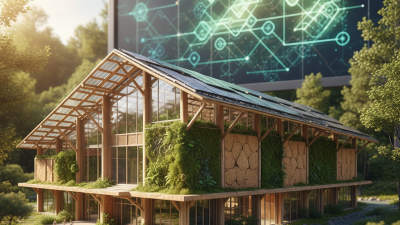
Wood is another vital material. It’s renewable and easy to work with. However, it can be prone to warping and insect damage. Choosing the right type of wood for your project is essential for durability. Steel is impressive for its strength and tensile properties. Yet, it can rust if not treated properly.

Lastly, consider glass. It's often used for aesthetic purposes. While it allows natural light, it can be fragile. Safety measures must be in place to handle breakage. Understanding these materials can make or break your construction project. Careful planning and selection are necessary.

Concrete: Versatility and Strength in Construction

Concrete is one of the most widely used construction materials globally. It impressively combines versatility and strength. According to the World Cement Association, concrete accounts for nearly 70% of all new construction projects. This widespread use reflects its essential role in the industry.

Its adaptability to various designs allows architects flexibility. They can mold it into unique shapes, fitting any project needs. However, creating high-quality concrete requires precise mixes. Variations in ingredients can affect strength significantly. Research indicates that the right proportions can enhance durability by over 30%. Moreover, there is ongoing debate about environmental impacts. The production of cement, a key ingredient, contributes to significant CO2 emissions. This raises questions about sustainability.

Despite these challenges, concrete continues to evolve. Innovations in mix designs and additives improve performance. For instance, some blends increase setting speed, allowing quicker project completion. However, construction teams must be cautious. Poor mixing or inadequate curing can lead to future structural issues. Continuous education on best practices is crucial. Concrete remains a cornerstone of construction, but its complexities deserve attention.

Steel: The Backbone of Modern Buildings

Steel is often considered the backbone of modern buildings. Its strength and versatility make it an essential material in construction. From skyscrapers to bridges, steel provides stability and support. This metal can withstand heavy loads, making it ideal for high-rise constructions. Engineers rely on its durability to ensure safety.

However, steel isn't without challenges. The production process can be energy-intensive, raising concerns about sustainability. Recycled steel is an option, but sourcing quality materials can be difficult. Additionally, steel structures can be susceptible to corrosion if not properly maintained. Regular inspections are necessary to prolong their lifespan.

Despite these imperfections, the advantages of steel stand out. It is lightweight, which simplifies transportation and handling. Steel frame construction allows for quicker build times. Architects appreciate its aesthetic appeal, offering sleek lines and modern designs. The potential of steel in innovative construction is vast, yet it requires careful consideration.

Top 10 Construction Materials You Need to Know About: Steel - The Backbone of Modern Buildings

This bar chart illustrates the average compressive strength of various construction materials measured in megapascals (MPa). Steel stands out as the strongest material, making it an essential choice in modern construction.

Wood: Traditional Material with Sustainable Benefits

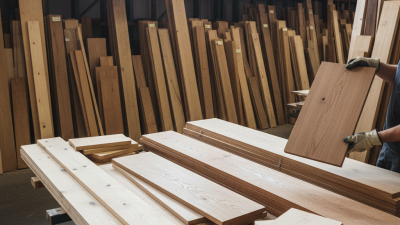
Wood stands out as a traditional building material with sustainable benefits. It has been used for centuries, providing durability and warmth to countless structures. According to the Forest Stewardship Council (FSC), sustainably harvested wood can sequester carbon and reduce carbon dioxide levels in our atmosphere. This makes wood not just aesthetically pleasing but also an eco-friendly choice.

However, the sustainability of wood depends on its sourcing. Not all wood is created equal. Illegally harvested timber contributes significantly to deforestation. A report from the Food and Agriculture Organization (FAO) states that about 15% of global forest harvests are illegal. This brings to light the urgent need for responsible sourcing practices.

Moreover, while wood is versatile, it has limitations. It can be susceptible to pests and moisture. Treatments can mitigate these issues, but they sometimes involve harmful chemicals. Designers and builders must weigh these factors. Striking a balance is essential. Sustainable wood use requires consistent reflection and improvement to minimize negative impacts on both the environment and construction integrity.

Top 10 Construction Materials You Need to Know About

Material Advantages Sustainability Common Uses
Wood Renewable, good insulator, aesthetic appeal Carbon sequestration, recyclable Framing, flooring, furniture
Concrete Durable, versatile, fire resistant Can be made from recycled materials Foundations, pavements, walls
Steel High strength, ductility, recyclable 100% recyclable without loss of properties Structural frames, reinforcement
Brick Durability, thermal mass, aesthetics Made from natural materials Walls, facades, paving
Stone Natural beauty, long-lasting, fireproof Minimal processing, locally sourced Walls, countertops, walkways
Glass Light transmission, aesthetic appeal, versatile Recyclable, energy-efficient options Windows, facades, interiors
Aluminum Lightweight, resistant to corrosion, recyclable Can be recycled indefinitely Windows, roofing, siding
Bamboo Fast-growing, strong, renewability Low environmental footprint Flooring, furnishings, scaffolding
Recycled Materials Cost-effective, reduces landfill waste Reuses existing materials Variety of construction applications
Composite Materials Varied properties, lightweight, durable Often includes recycled content Panels, decking, reinforced structures

Innovative Materials: Advances in Construction Technology

Top 10 Construction Materials You Need to Know About?

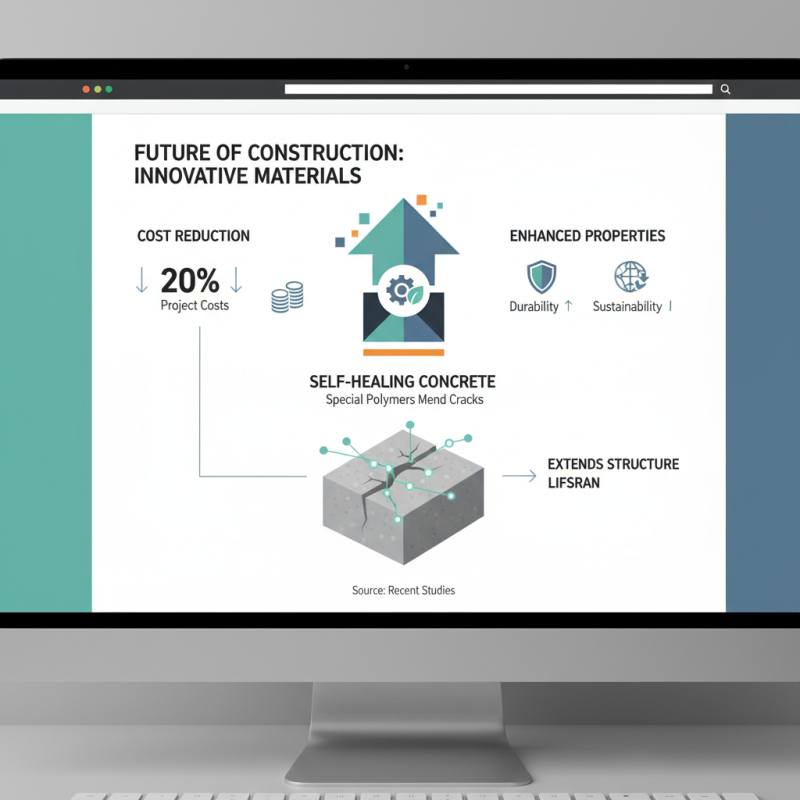
Innovative materials are shaping the future of construction. Recent studies highlight that advanced materials can reduce project costs by up to 20%. These new materials often enhance durability and sustainability. For instance, self-healing concrete is gaining traction. It uses special polymers that can mend cracks autonomously. This can extend the lifespan of structures significantly.

Another exciting development is 3D-printed materials. Reports show that this technology can cut labor costs by nearly 30%. It enables rapid prototyping and construction with precision. However, challenges remain. The initial investment for 3D printing technology can be steep. Not all projects can justify the cost.

Recyclable materials also play a critical role. Using recycled steel and plastics can lower environmental impact. Data suggests construction waste accounts for 30% of landfill debris. Yet, the industry still struggles to adopt these eco-friendly solutions widely. The transition is slow and requires investment in better processes. Overall, innovation in construction materials is essential but not without hurdles.