Top 10 Building Materials You Should Know About?

Selecting the right building materials can greatly impact any construction project. Understanding various materials is essential for homeowners and builders alike. The world of building materials is vast and diverse, offering numerous options for different needs.

In this overview, we explore the top ten building materials that stand out in the industry. From traditional wood to modern composites, each material has its own unique properties. Some materials provide durability and strength, while others focus on sustainability. It's important to also consider how these materials interact with the environment.

However, not every option may suit your project perfectly. Choosing the wrong material can lead to costly mistakes. It’s essential to reflect on the requirements of each building venture. By knowing the best materials, you can make informed decisions that enhance your project's success.
Top 10 Building Materials You Should Know About?

Essential Properties of Common Building Materials

When constructing a building, the choice of materials is crucial. Each material has unique properties that affect durability, insulation, and aesthetics. For instance, concrete is known for its strength. It can withstand heavy loads and harsh weather conditions. However, it can crack over time if not properly maintained.

Wood, on the other hand, is lightweight and offers excellent insulating properties. It brings warmth to a structure but is susceptible to rot and pests. Steel is another important material. It provides great tensile strength and is often used in high-rise buildings. Yet, it can rust if not treated adequately.

Brick is traditional but effective. It’s fire-resistant and provides excellent thermal mass. Still, it can be labor-intensive to install. Lastly, glass may enhance the design and allow natural light in. However, it offers limited insulation and can be fragile. Understanding these properties helps builders make informed decisions.

Top 10 Building Materials You Should Know About

Material Properties Uses
Concrete Strong, durable, fire-resistant Foundations, walls, flooring
Steel Tensile strength, ductility, recyclability Structural framework, roofing
Wood Natural, versatile, lightweight Framing, flooring, cabinetry
Brick Durable, thermal mass, aesthetic Walls, pavements, fireplaces
Glass Translucent, customizable, thermal insulation Windows, facades, interiors
Aluminum Lightweight, corrosion-resistant, ductile Cladding, windows, roofing
Stone Natural, durable, aesthetic appeal Walls, floors, countertops
Ceramics Durable, water-resistant, thermal resistant Tiles, fixtures, pottery
Insulation Thermal resistance, soundproofing Roofing, walls, HVAC systems

A Comprehensive Overview of Concrete and Its Uses

Concrete is a fundamental building material with a rich history. It is known for its durability and strength. Many structures, from bridges to skyscrapers, rely heavily on concrete. Its versatility allows for various finishes and forms. Concrete can be molded into any shape, which fuels creative architectural designs.

Tips: When mixing concrete, precision is key. The right ratios of water to cement affect the final strength. A common mistake is adding too much water, which weakens the mix. Always measure carefully.

Various applications exist for concrete. It performs well in flooring, walls, and even intricate sculptures. However, various environmental factors can impact concrete structures over time. Cracks and discoloration may occur due to weather changes or poor installation. Regular maintenance is vital to preserving its integrity.

Tips: Seal concrete surfaces to enhance durability. Regular inspections can spot early signs of wear. If you notice cracks, address them promptly to prevent larger issues. Concrete may seem perfect, but it constantly requires attention.

Exploring the Versatility of Steel in Construction

Top 10 Building Materials You Should Know About?

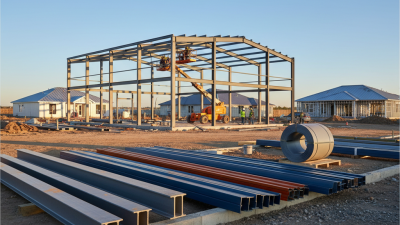
Steel is a game changer in construction. Its strength-to-weight ratio is impressive. Buildings made with steel can withstand extreme conditions. This metal offers flexibility in design. Architects enjoy creating unique structures with steel. It allows for larger spaces without many columns.

However, there are challenges with steel. Corrosion can be a problem. Maintenance is critical to ensure longevity. Additionally, the production of steel can have environmental impacts. Using recycled steel can mitigate some concerns. Still, sourcing can be tricky.

Another aspect to consider is the thermal properties of steel. It conducts heat quickly, which can affect energy efficiency. Project planners must ensure proper insulation. Balancing aesthetics, function, and sustainability is complex. Steel's versatility makes it a top choice but requires thoughtful application.

Sustainable Building Materials: A Growing Trend

Sustainable building materials are becoming increasingly popular. More architects and builders are prioritizing eco-friendly options. These materials often have a smaller environmental footprint. They can make buildings more energy-efficient and reduce waste.

Recycled steel is a great example. It can be made from old structures, reducing the need for new metal. Bamboo is another choice. This fast-growing grass is strong and renewable. It matures in just a few years. However, sourcing bamboo ethically can be challenging. Not all bamboo is sustainably harvested.

Another option is reclaimed wood. This wood comes from old buildings or furniture. Using it prevents waste and adds character. But finding quality reclaimed wood is not always easy. You may encounter issues like rot or pests. It requires careful inspection and sometimes restoration. Sustainable materials are vital, but they can also present challenges to builders.

Innovations in Wood Products for Modern Architecture

Wood has evolved significantly in modern architecture. Innovations have transformed how we view this traditional material. Cross-laminated timber (CLT) is one standout example. It combines layers of wood to create strong, stable panels. These panels allow for taller buildings, challenging the dominance of steel and concrete.

Sustainable forestry practices are crucial for innovation in wood products. Many architects and builders seek eco-friendly sources for their materials. However, not all timber is sourced responsibly. This raises questions about sustainability and environmental impact. It's vital to choose wood that has been certified and harvested responsibly.

Another exciting development is engineered wood. This material can be molded into various shapes, offering design flexibility. Buildings that use these products often have unique aesthetic qualities. Yet, reliance on wood varies based on regional preferences and climate considerations. Finding the right balance in materials remains a challenge.

Top 10 Building Materials You Should Know About

This chart illustrates the average popularity of various building materials used in modern architecture, showcasing innovations in wood products among other materials.