Top Star Building Techniques for Architecture and Design Innovations?

In the realm of architecture and design, the concept of "star building" has garnered significant attention. Renowned expert Dr. Emily Chen emphasizes, "Star buildings not only redefine skylines but also inspire sustainable living." This statement reflects the growing importance of integrating innovative practices in modern architecture.

Star buildings often showcase unique designs and energy-efficient technologies. They aim to elevate user experience while minimizing environmental impact. Each project comes with its challenges. Sometimes, the pursuit of beauty overshadows practicality. Nevertheless, architects strive for balance.

As we explore the techniques that shape star building innovations, reflection is essential. How can we push boundaries while ensuring functionality? What lessons have we learned from past failures? These questions guide us toward a future where beauty and practicality coexist harmoniously in architectural design.
Top Star Building Techniques for Architecture and Design Innovations?

Innovative Materials in Modern Architecture and Design

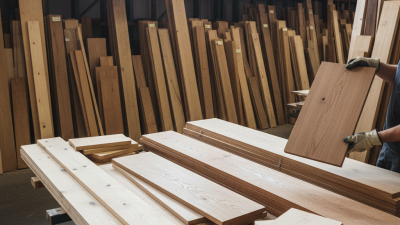
Innovative materials are reshaping architecture and design. These materials enhance aesthetics and improve functionality. Materials like cross-laminated timber and recycled plastics become increasingly popular. They allow for creative structures that respect the environment. Using these materials, architects create stunning layouts with lower carbon footprints.

When selecting materials, consider their lifecycle. Materials should not only be beautiful but also sustainable. For instance, look into durability and maintenance needs. This approach reduces long-term costs and environmental impact. Always evaluate how a material fits into the overall design vision.

Here’s a tip: explore local sourcing. Local materials often have a smaller environmental impact. They can also bring unique characteristics to your designs. Be open to using unconventional materials. This experimentation can lead to surprising and effective results. Embrace the potential imperfections that come with new methods. They can add character to your projects.

Sustainable Practices in Top Star Building Techniques

Top Star Building Techniques for Architecture and Design Innovations?

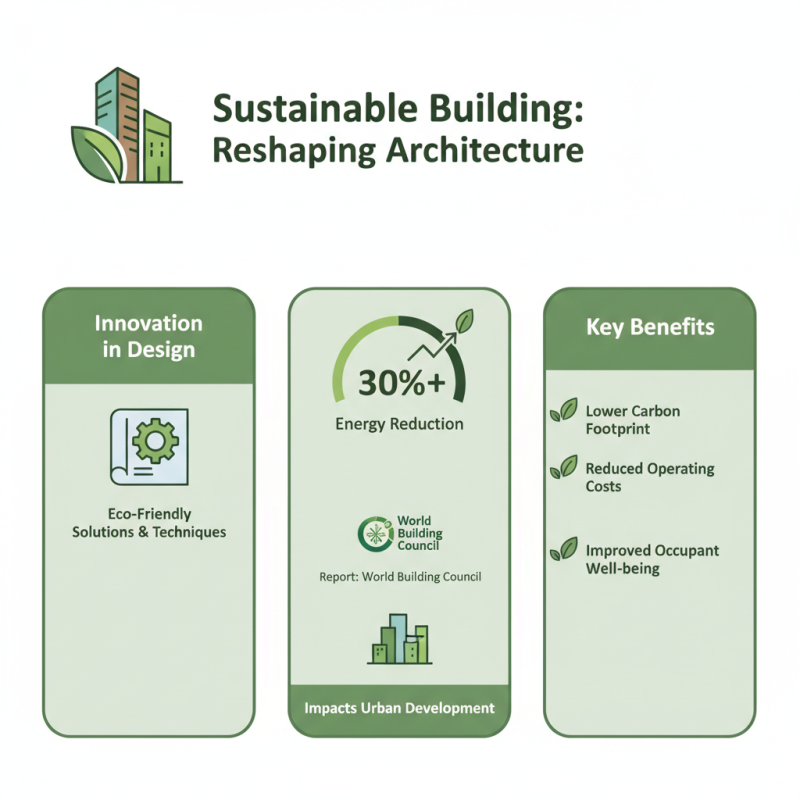
Sustainable building practices are reshaping architecture and design. The push for eco-friendly solutions has led to innovative building techniques. According to a report from the World Green Building Council, green buildings can reduce energy consumption by over 30%. This impact is significant for urban developments, where energy demand is high.

Recycled materials are gaining popularity in construction. They reduce waste and lower the carbon footprint. For instance, using reclaimed wood can cut down deforestation. However, sourcing these materials can be challenging. Not all regions have access to quality recycled products. This creates a gap in the sustainability goal, making it necessary to rethink local supply chains.

Integrating renewable energy into buildings is another key factor. Installing solar panels can drastically lower energy costs. However, initial investments can be a barrier. The upfront costs may deter some builders. Yet, the long-term benefits outweigh the risks. Studies show that buildings with renewable energy systems see a 15-20% increase in value over time.

Advanced Technology Integration in Architectural Design

Advanced technology has rapidly transformed architectural design. With the rise of Building Information Modeling (BIM), architects can create detailed 3D models. According to recent industry reports, about 80% of firms utilize BIM to enhance collaboration and reduce errors. The integration of augmented reality (AR) allows stakeholders to visualize projects before completion. This approach improves communication and decision-making.

Tips: Embrace new tools. Stay updated on innovative software. Experiment with AR for immersive presentations.

Sustainability is also pivotal. Data shows that buildings account for nearly 40% of global carbon emissions. Architects must prioritize eco-friendly materials and energy-efficient designs. When adopting new technologies, consider potential challenges. Training staff can be costly and time-consuming. Resistance to change may slow progress as well.

Tips: Focus on training. Share knowledge among team members. Seek feedback to refine processes.

User-Centric Approaches to Space Planning and Design

User-centric approaches are reshaping architecture and design. Reports indicate that 70% of users prefer spaces designed with their needs in mind. This approach fosters creativity and innovation in design. A user-centric focus addresses the diverse requirements of occupants, ensuring that spaces are functional and engaging.

Incorporating user feedback in the early design stages is crucial. Invite potential users to share their experiences. This can highlight overlooked aspects of a space. For effective space planning, consider the flow and accessibility of areas. Spaces should encourage interaction while providing comfort.

**Tips:**
- Use surveys to gather user opinions.
- Conduct usability tests to refine designs.
- Keep designs flexible to adapt to user needs.

Even with careful planning, challenges arise. Designers may have difficulty balancing aesthetics with practicality. Overlooking small details can lead to user dissatisfaction. Regularly revisiting design choices and seeking feedback can minimize these issues. Trusting user insights often yields unexpected solutions.

Top Star Building Techniques for Architecture and Design Innovations

This chart illustrates the popularity of various building techniques in modern architecture and design based on user-centric approaches to space planning and design. The data is derived from user surveys in the architecture field.

Case Studies of Iconic Star Buildings and Their Impact

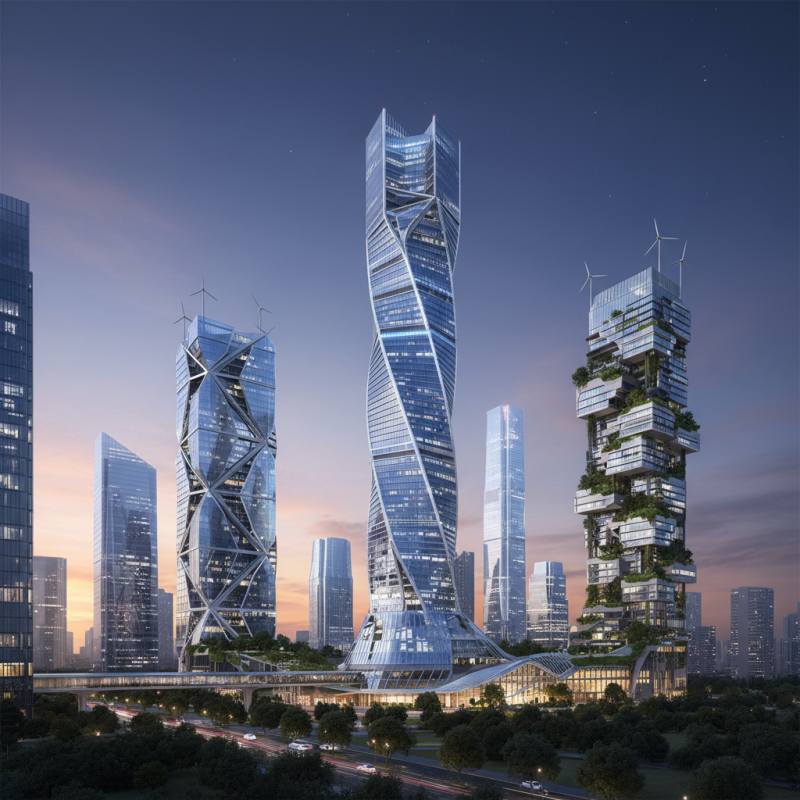
Star buildings have transformed skylines around the world. These iconic structures often reflect culture and innovation. A notable example is a structure with flowing curves that mimic natural forms. This design challenges conventional straight lines, yet it divides opinions. Some appreciate its boldness, while others find it impractical.

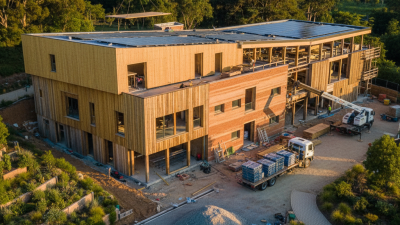
Another case is a building designed with sustainability in mind. Solar panels cover its surface, providing energy. Many people admire its eco-friendly approach, but some criticize its aesthetics. The balance between functionality and beauty is tricky. Buildings like these provoke discussions about priorities in modern architecture.

These star buildings leave a significant mark. They inspire future designs, pushing boundaries. However, they also prompt us to think critically about their impact on communities. Are we creating for ourselves or for the people we serve? This question lingers as we navigate innovation in architecture.