How to Choose Eco Friendly Building Materials

Choosing eco friendly building materials is more complex than picking products with a green label. A material may contain recycled content yet require long-distance shipping, intensive processing, or difficult disposal. Good decisions require evidence, not attractive packaging.

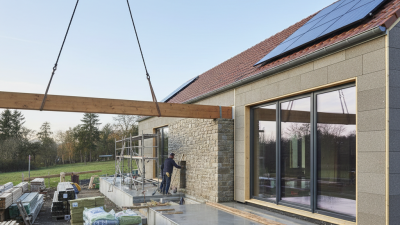
This guide examines practical factors used by architects, builders, and sustainability professionals. It considers embodied carbon, recycled content, durability, indoor air quality, maintenance, and local availability. A reclaimed timber beam, for example, may reduce waste and add character. However, it still needs inspection for moisture damage, pests, coatings, and structural weakness. A low-VOC paint can improve indoor comfort, but ventilation and application conditions remain important.

Look beyond marketing claims. Check environmental product declarations, ingredient disclosures, durability data, and recognized certification schemes. Compare the product’s full life cycle, from extraction to reuse or disposal. Local climate matters too. Materials that perform well in a dry region may fail in a humid coastal home. Cost deserves honest attention. The cheapest option today may create higher repair expenses later.

No material is perfect. Even responsible choices involve compromises. A recycled product may have limited supply, inconsistent color, or higher transport impacts. That uncertainty should be acknowledged rather than hidden. By combining verified information, professional guidance, and observations from real building projects, homeowners and project teams can select materials that support healthier spaces and lower environmental impact. The goal is not perfection. It is better judgment, measured carefully.
How to Choose Eco Friendly Building Materials

Define What Makes a Building Material Eco-Friendly

An eco-friendly building material causes less environmental harm across its entire life cycle. That includes extraction, manufacturing, transportation, installation, use, and disposal. A material is not automatically green because it looks natural. Its full story matters.

On renovation projects, I examine durability before appearance. A long-lasting floor may prevent repeated replacement, even if its production requires more energy. I also check recycled content, responsibly managed raw materials, low chemical emissions, and nearby suppliers. Transportation can quietly increase a material’s carbon footprint. Water use matters too, especially in regions facing shortages.

Evidence makes these decisions more reliable. Life-cycle assessments, environmental product declarations, and independent certifications can reveal impacts hidden in attractive marketing. However, documents may use different boundaries, so comparisons are not always fair. This is easy to overlook. I also ask whether workers handled the material safely and whether contractors can install it without excessive waste. A recyclable product is less valuable when local facilities cannot process it. No material is perfect. The practical goal is to choose the option with the lowest reasonable impact for the building’s location, climate, purpose, and expected lifespan.

Assess Environmental Impact Across the Material’s Life Cycle

Choosing eco-friendly building materials requires more than reading a recycled-content label. Assess each material across its full life cycle: extraction, manufacturing, transport, installation, use, maintenance, and disposal. A low-impact product can lose its advantage if it travels thousands of miles or needs frequent replacement. Check energy use, water consumption, emissions, and waste created during production. Request verified environmental data when available, rather than trusting vague claims.

On site, durability often matters more than appearance. A dense floor finish may require more energy to produce, yet last decades with simple care. Lightweight insulation may reduce heating demand, but its performance can fall after poor installation. Consider local climate, repair access, and moisture exposure. I have seen well-intended material choices fail because maintenance was ignored. That mistake deserves attention. No material is perfectly green.

Tips: Compare expected service life, not just purchase price. Prefer materials that can be repaired, reused, or separated at demolition. Ask suppliers about recycled content, responsible sourcing, and disposal options. Keep transport distances realistic. A nearby material with modest environmental data may outperform a distant product with impressive marketing. Record your assumptions, too. Life-cycle decisions involve uncertainty, and honest documentation makes later improvement possible.

How to Choose Eco Friendly Building Materials - Assess Environmental Impact Across the Material’s Life Cycle
Material Typical Product Stage A1–A3
Embodied Carbon
Typical Transport and Installation Impact
Stages A4–A5
Typical Service Life Resource and Recycled-Content Considerations End-of-Life Potential Key Environmental Advantages and Risks
Ready-Mix Concrete Approximately 200–500 kg CO2e/m3.
The result depends mainly on cement content, cement type, strength class, and supplementary cementitious materials.
Approximately 15–60 kg CO2e/m3 for common road transport distances and standard placement activities. Commonly 50–100+ years when properly designed, detailed, placed, and maintained. Recycled aggregate may replace approximately 10–30% of natural coarse aggregate in many applications. Lower-cement mixes can substantially reduce impacts. Usually crushed and reused as recycled aggregate or road sub-base. Direct reuse of structural concrete is limited. High durability and thermal mass. Cement production is energy- and process-intensive and releases significant carbon dioxide.
Structural Steel Approximately 700–2,000 kg CO2e/t of steel, depending strongly on furnace technology, electricity source, and recycled scrap content. Approximately 10–60 kg CO2e/t for typical regional transport and erection activities. Commonly 50–100+ years with appropriate corrosion protection and maintenance. Recycled content can range from approximately 20–100%, depending on the production route. Designing efficient sections reduces material demand. Highly recyclable and potentially reusable. Steel can generally be recovered without losing its fundamental material properties. High strength-to-weight ratio and excellent recyclability. Primary production can have a high energy and carbon footprint.
Softwood Timber and Engineered Wood Approximately 100–350 kg CO2e/m3 of fossil and process emissions, excluding separately reported biogenic carbon storage. Approximately 15–100 kg CO2e/m3, depending on haul distance, moisture content, processing, and installation method. Commonly 50–100+ years when protected from persistent moisture, insects, fire, and biological decay. A renewable resource when sourced from responsibly managed forests. Actual benefits depend on forest management, land-use change, harvesting practices, and manufacturing efficiency. Can be reused, remanufactured, recycled into panels, or used for energy recovery. Landfilling can delay the release of stored biogenic carbon. Usually low embodied energy and the potential to store biogenic carbon. Moisture protection, fire design, adhesives, and responsible sourcing are critical.
Clay Brick Masonry Approximately 200–450 kg CO2e/m3 of masonry, depending on density, kiln efficiency, firing temperature, and mortar content. Approximately 20–80 kg CO2e/m3, with heavy products particularly sensitive to transport distance. Commonly 100+ years when protected from severe moisture and frost damage. Recycled content is often limited, although reclaimed bricks can avoid new manufacturing impacts when cleaning and transport are practical. Whole bricks may be reclaimed for direct reuse. Crushed brick can be used as aggregate or fill. Long service life, fire resistance, and low maintenance. Kiln firing requires substantial energy and creates process emissions.
Aluminium Approximately 6,000–16,000 kg CO2e/t for primary aluminium. Recycled aluminium can be approximately 500–1,500 kg CO2e/t, depending on electricity and remelting efficiency. Approximately 20–100 kg CO2e/t, depending on product weight, transport mode, and installation. Commonly 50–100+ years for appropriately specified and maintained building components. Very high recycling value. Using recycled content and lightweight, durable designs can significantly reduce life-cycle impacts. Highly recyclable through established recovery systems. Avoiding contamination and separating composite components improves recovery. Lightweight, durable, and corrosion-resistant. Primary production is electricity-intensive and can create significant mining-related impacts.
Flat Glass Approximately 800–1,200 kg CO2e/t, depending on furnace efficiency, cullet content, coating, and product configuration. Approximately 20–100 kg CO2e/t, depending on distance, packaging, handling, and installation complexity. Commonly 30–60 years for insulated glazing units; some framing and glass components may last longer with proper maintenance. Recycled glass cullet can reduce furnace energy demand. High-performance coatings may reduce operational energy but add manufacturing complexity. Glass can be recycled, but laminated, coated, sealed, or contaminated products may be difficult to process. Reuse is possible for selected components. Can reduce heating and cooling demand when correctly designed. Manufacturing is energy-intensive, and replacement rates affect life-cycle performance.
Mineral Wool Insulation Approximately 15–60 kg CO2e/m3, depending on density, binder content, furnace energy, and recycled feedstock. Approximately 2–15 kg CO2e/m3 for typical regional transport and installation. Commonly 50+ years when kept dry and installed without significant compression or damage. Recycled mineral feedstock is commonly used. Performance should be evaluated using thermal conductivity, density, moisture resistance, and required thickness. Some products can be recovered and recycled, although contamination, moisture, and demolition practices may limit recovery. Can deliver substantial operational-energy savings over its service life. The life-cycle benefit depends on thickness, climate, building energy source, and installation quality.
Cellulose Insulation Approximately 20–80 kg CO2e/m3 of reported production emissions, excluding or separately accounting for biogenic carbon storage. Approximately 2–20 kg CO2e/m3, depending on recycled-paper collection, processing, transport, and installation method. Commonly 50+ years when protected from sustained moisture, pests, and excessive settlement. Typically manufactured largely from recovered paper fibres. Fire retardants and additives should be reviewed through the product’s environmental and health documentation. Reuse and fibre recycling may be possible if the material remains clean and dry. Disposal conditions influence the timing of biogenic carbon release. High recycled content and low density can reduce material impacts. Moisture management and installation quality are essential for long-term performance.
How to interpret the data: The figures are indicative generic ranges rather than product-specific declarations. They are not directly comparable across different functional units. For a fair project comparison, assess materials by the same function, thickness, structural capacity, thermal performance, service life, and required maintenance.
Assessment basis: Life-cycle stages follow EN 15804 terminology: A1–A3 covers raw-material supply, transport to manufacturing, and manufacturing; A4–A5 covers transport to site and construction or installation. Confirm final values using current, independently verified Environmental Product Declarations and project-specific whole-life carbon assessments.

Compare Durability, Performance, and Maintenance Requirements

How to Choose Eco Friendly Building Materials

Durability should be judged against the building’s actual conditions. A wall material facing strong sun needs reliable UV resistance. In wet rooms, low water absorption matters more. I once compared two attractive products and overlooked a shaded, damp corner. That mistake changed the result. Check test data for impact strength, moisture movement, freeze-thaw resistance, and expected service life. Longer life can reduce replacement waste, even when the initial environmental impact is higher.

Performance also depends on the whole assembly, not one material alone. Insulation should maintain its thermal resistance after installation. Windows should limit heat loss without creating condensation around the frame. Flooring must tolerate daily traffic, dropped objects, and cleaning chemicals. Ask for verified information, such as laboratory results, environmental product declarations, and installation requirements. Product claims deserve careful reading. “Natural” does not automatically mean efficient or durable.

Maintenance can quietly decide a material’s real cost. Compare repainting cycles, sealant replacement, cleaning methods, and access needs. A surface that requires harsh cleaners may weaken its environmental advantage. Choose finishes that can be repaired locally instead of replaced completely. Keep spare pieces when color matching may become difficult. My comparisons are not always perfect; local weather and workmanship can change performance dramatically. Allow a safety margin, and review the maintenance plan with qualified building professionals before selecting materials.

How to Choose Eco-Friendly Building Materials

Compare typical durability, thermal performance, and maintenance requirements using representative planning values. Actual results vary with climate, design, installation quality, exposure, and maintenance practices.

Typical Service Life

Thermal Conductivity

Typical Major Maintenance Interval

How to read the data: Longer service life and longer maintenance intervals generally reduce replacement and upkeep demands. Lower thermal conductivity indicates better resistance to heat flow and usually better insulation performance. The values represent commonly reported ranges summarized as planning midpoints for generic material types, not product guarantees.

Check Health, Safety, and Responsible Sourcing Standards

Choosing eco-friendly building materials starts with human health, not green-colored packaging. On site, I look for low-emitting products in bedrooms, classrooms, and poorly ventilated rooms. Ask for recent test reports covering volatile organic compounds, formaldehyde, heavy metals, and moisture resistance. A pleasant smell proves little. It can hide a problem.

Safety standards deserve equal attention. Check fire performance, structural ratings, slip resistance, durability, and installation requirements for the intended use. Compare laboratory results with local building requirements and the project’s actual climate. A material may perform well in a dry showroom but fail near a damp basement wall. I have learned to question attractive claims when maintenance instructions are vague or missing.

Responsible sourcing is harder to judge. Request chain-of-custody records, recycled-content evidence, worker-safety policies, and supplier audit dates. Prefer transparent documentation over broad words such as natural or ethical. Independent certifications can help, but certificates should match the exact product, factory, and production period. Check the fine print. I sometimes find incomplete records after approval, so I now schedule a document review before purchase and another when materials arrive. That extra step feels inconvenient, yet it can reveal substitutions, damaged packaging, or materials from an unverified source. No checklist is perfect; careful questioning still matters.

Choose Materials That Fit the Project’s Climate and Budget

How to Choose Eco Friendly Building Materials

A material must suit the project’s climate before it earns an environmental label. In a hot, humid region, durable stone, shaded glazing, and moisture-resistant insulation may outperform cheaper alternatives. In a cold climate, airtight assemblies and high-performance insulation can reduce heating demand. The 2023 UNEP Global Status Report found that buildings used 34% of global energy and produced 37% of energy and process-related carbon emissions in 2022. Small design choices matter.

Budget means more than the purchase price. Compare transport, installation, maintenance, replacement, and energy costs across the material’s life. The RICS Whole Life Carbon Assessment standard supports this broader calculation. A low-cost cladding system may look attractive. However, frequent repainting or moisture damage can quietly erase those savings. Check environmental product declarations, recycled content, expected service life, and local repair skills. On a coastal site, salt air can punish a “green” material that was never tested for that exposure. I still find that early assumptions are often wrong.

Tips: Ask suppliers for project-specific data, not vague claims. Request three whole-life cost estimates. Test a small wall section before ordering everything. Keep local climate records nearby. A material with lower carbon may require higher upfront spending, but the payback depends on occupancy and energy prices. Do not force one solution everywhere. That is where sustainable design can become wasteful.