
We use cookies on our website to give you an improved browser experience. View our Privacy Policy for more information. Please make your selection to opt in or out of ALL cookies here: Accept or Decline
Choosing a Mild Hyperbaric Chamber should begin with safety, not marketing promises. A chamber may look simple, with a reclining mat, clear windows, and a small control panel. Yet pressure, ventilation, materials, and emergency access all deserve careful review. The wrong choice can create discomfort, poor usability, or unnecessary risk.
Dr. Scott Sherr, a physician and medical director associated with mild hyperbaric practice, has stated, “The chamber is a tool, not a cure.” That caution matters. A responsible buyer should examine the chamber’s operating pressure, air supply, monitoring system, manufacturer documentation, and cleaning procedures. Ask whether trained support is available during every session. Ask what happens if the user feels ear pain, dizziness, anxiety, or shortness of breath. Small details matter.
Look beyond impressive claims.
A reliable Mild Hyperbaric Chamber should have clear instructions, traceable manufacturing information, and realistic guidance about intended use. It should fit the user’s body comfortably, while leaving enough room for safe entry and exit. Children, older adults, and people with medical conditions may require professional advice before use. Personal experience can reveal practical problems, but it cannot replace clinical judgment.
Some manufacturers explain benefits too confidently. That is a weakness, not proof of quality. Compare specifications carefully, verify service support, and discuss suitability with a qualified healthcare professional. The best decision may feel less exciting, yet it should be transparent, cautious, and based on evidence rather than hope.
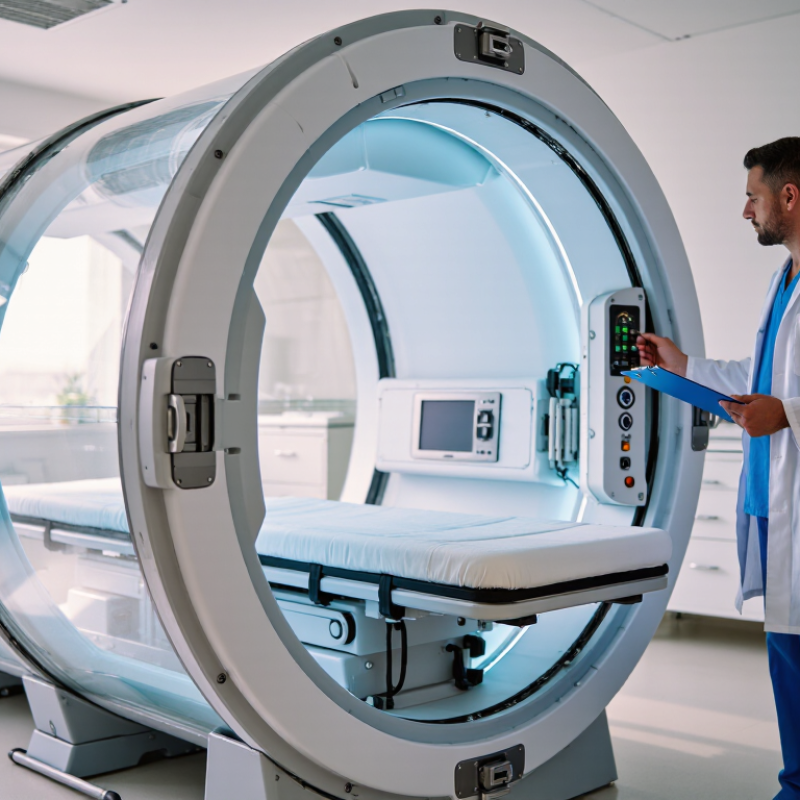
Mild hyperbaric chambers use slightly increased air pressure, often with room air rather than high-concentration oxygen. They differ from hospital-grade hyperbaric oxygen therapy, which follows stricter medical protocols. The pressure may feel similar to an airplane cabin during descent. Ear popping can occur.
Their intended uses vary. Some people explore mild hyperbaric sessions for relaxation, recovery after exercise, or general wellness. However, evidence for many wellness claims remains limited and inconsistent. It should not replace diagnosis or treatment from a qualified healthcare professional. A careful provider should explain expected benefits, uncertainties, and possible risks before a session.
Look for trained supervision, clear pressure settings, emergency procedures, and regular equipment maintenance. Ask how staff screen for ear problems, lung conditions, pregnancy, medications, and other health concerns. Never ignore discomfort, dizziness, breathing difficulty, or unusual pain. Stop the session and request medical advice when symptoms appear.
The chamber should feel clean and spacious enough for safe movement. Check whether communication with staff remains available throughout the session. I would not choose a chamber based only on attractive promises or dramatic testimonials. The research is still developing. That matters. Even experienced users can underestimate pressure-related problems, especially when sessions occur without proper screening. Availability also differs by location, so local medical rules and professional guidance should influence the decision.
| Selection Dimension | Typical Mild-Chamber Information | Why It Matters | Practical Questions to Ask |
|---|---|---|---|
| Working pressure | Many mild hyperbaric chambers operate at approximately 1.3 to 1.5 ATA. ATA means atmospheres absolute, with 1.0 ATA representing normal sea-level atmospheric pressure. | Pressure affects gas exposure, ear and sinus comfort, equipment classification, and the level of clinical oversight that may be appropriate. | Is the maximum pressure clearly stated in ATA? Is the pressure independently verified during each session? |
| Breathing gas | Some mild chambers use ambient air, while others provide supplemental oxygen through a mask or hood. The oxygen concentration should be specified by the supplier. | A pressurized air session is not equivalent to breathing near-100% oxygen under pressure. Gas composition changes the risk profile and clinical classification. | What gas is delivered? What oxygen concentration is provided? Is oxygen delivery continuous and monitored? |
| Intended use | Mild chambers are generally marketed for wellness, relaxation, or non-specific supportive use. Marketing claims should not be treated as proof of medical effectiveness. | Evidence for mild hyperbaric use varies by condition, and many commonly advertised applications do not have strong clinical evidence. | What specific outcome is expected? Is there high-quality clinical evidence for that use at the proposed pressure and oxygen level? |
| Regulatory status | Regulatory clearance or registration is specific to the device, jurisdiction, and intended use. It does not automatically validate every health claim made about the chamber. | A device’s legal marketing status and the scientific evidence for a particular use are separate issues. | Can the seller provide official regulatory documentation for the exact model and stated use in your country? |
| Safety certification | Look for documented electrical, pressure, fire-safety, and materials testing appropriate to the chamber’s design and operating environment. | Pressurized environments and oxygen-enriched environments can increase fire and equipment hazards if poorly designed or operated. | Which recognized standards were used? Are test reports current, traceable, and applicable to the complete system? |
| Emergency features | Important features may include an emergency exhaust or rapid-decompression system, two-way communication, internal and external pressure displays, and an accessible entrance. | Users need a reliable way to communicate, stop a session, and exit safely if symptoms or equipment problems occur. | Can the user exit without assistance? Is there a written emergency procedure and a tested communication system? |
| Pressure control | The system should allow controlled compression and decompression, with pressure gauges or sensors that are easy to read. | Gradual pressure changes can help reduce discomfort and lower the risk of pressure-related ear or sinus problems. | What is the compression and decompression rate? What happens if the power supply or compressor fails? |
| User comfort and access | Evaluate internal dimensions, seating or lying position, visibility, ventilation, noise, temperature, and ease of entry and exit. | Claustrophobia, limited mobility, heat, or poor ventilation may make a chamber unsuitable or difficult to use consistently. | Can the chamber accommodate the user comfortably for the planned session duration? Is there adequate airflow? |
| Medical screening | A healthcare professional should review relevant conditions, medications, pregnancy status, ear or sinus problems, lung disease, and previous pressure-related complications before use. | Certain conditions can increase the risk of barotrauma, breathing complications, or other adverse effects. | Is a documented health screening required before the first session? Who is responsible for responding to medical concerns? |
| Fire and oxygen precautions | Open flames, smoking materials, sparks, petroleum-based products, and unapproved electrical or electronic items should be kept away from oxygen-enriched environments. | Oxygen supports combustion and can make a fire ignite more easily or burn more intensely. | Are prohibited items clearly listed? Are cleaning products, fabrics, and accessories approved for the chamber environment? |
| Maintenance and inspection | The chamber should have a documented inspection, cleaning, calibration, filter-replacement, and pressure-system maintenance schedule. | Regular maintenance helps preserve pressure control, air quality, seals, valves, and safety-system performance. | Who performs maintenance? Are service intervals, replacement parts, and inspection records provided? |
| Training and supervision | Users should receive instruction on equalizing ear pressure, recognizing symptoms, operating controls, and responding to emergencies. Supervision is especially important when oxygen is supplied. | Correct operation reduces preventable risks and ensures that concerning symptoms are addressed promptly. | Is an in-person orientation provided? Is a trained attendant present throughout the session? |
| Cost and total ownership | Consider purchase or rental cost, installation, delivery, ventilation, electricity, oxygen supply, consumables, servicing, insurance, and disposal. | The lowest initial price may not represent the lowest safe long-term cost. | What are the recurring operating and maintenance expenses? Is technical support available locally? |
| Warning signs | Be cautious of guaranteed cures, claims to treat many unrelated diseases, pressure or oxygen specifications that are not documented, and sellers who discourage medical advice. | Overstated claims can obscure uncertain evidence and may encourage inappropriate self-treatment. | Are claims supported by peer-reviewed research on a comparable pressure, gas mixture, and treatment protocol? |
Important: A mild hyperbaric chamber should not be used as a substitute for diagnosis or established medical treatment. Consult a qualified healthcare professional before use, particularly when oxygen is supplied or when the user has a medical condition.
Materials affect comfort, cleaning, and long-term reliability. Look for durable, medical-grade fabric, reinforced seams, strong zippers, and a clear viewing window. The interior should allow natural movement without pressing against the walls. A single-person chamber may fit a bedroom, but larger models need more floor space and ventilation. Measure doorways, ceiling height, and emergency access first.
Pressure ratings require careful reading. Mild systems commonly operate around 1.3 to 1.5 ATA, but specifications vary. Never treat the maximum rating as the recommended operating pressure. Check the accuracy of the gauge, pressure-release valve, alarm system, and documented safety testing. A high rating alone proves little. Ask who performed the testing and whether instructions explain pressure equalization clearly. Ear discomfort can develop quickly.
A safe mild hyperbaric chamber should have clear pressure controls, reliable gauges, and an emergency depressurization system. Look for oxygen monitoring, fire-resistant materials, proper ventilation, and accessible electrical shutoffs. The operator should explain what happens if power fails or a user feels unwell. Small details matter, such as clean seals, readable alarms, and a door that opens without confusion.
Check every certification carefully. A certificate should come from a recognized testing organization or relevant local authority. Confirm that it covers the exact chamber model, not only a similar product. Also review inspection dates, maintenance records, user manuals, and reported pressure limits. Certification is useful, but it is not a complete safety guarantee. I would not trust polished paperwork if staff cannot explain daily checks.
Tips:
Ask who provides operator training and how often skills are refreshed. Confirm room size, temperature limits, ventilation needs, power requirements, and cleaning procedures before installation. Ask whether users must remove oils, electronic devices, or flammable materials. A qualified healthcare professional should review personal medical risks before use. Do not improvise with pressure settings. The manual may seem simple, yet careless operation can create serious problems. Reliability comes from documented procedures, trained supervision, and consistent equipment checks.
Comfort affects whether a chamber becomes a realistic part of daily life. Check the internal length, visibility, airflow, temperature, and noise before purchasing. Pressure equalization should feel manageable, especially for users with ear sensitivity. A wide entrance can help people with limited mobility. Test the zipper and emergency release if possible. Small details matter.
Accessibility includes more than placing the chamber in a spare room. Measure doorways, ceiling height, and floor strength. Confirm the electrical requirements and allow space for ventilation. Ask whether one person can operate it safely or whether a trained caregiver is needed. Professional medical guidance remains important, particularly for people with respiratory, ear, or cardiovascular conditions. Mild pressure does not automatically mean zero risk.
Tips: Request written specifications, cleaning instructions, inspection intervals, and service contacts. Compare the complete cost, including delivery, installation, electricity, replacement parts, maintenance, and possible repairs. Ask how pressure and oxygen levels are monitored. Avoid sellers making broad promises without clinical evidence or clear safety documentation. I would also question unusually low prices; they may exclude essential servicing. A chamber that looks affordable can become expensive after one seal fails. Reconsider the purchase if the warranty, emergency procedure, or maintenance record is vague.
How to Choose a Mild Hyperbaric Chamber?
Your room should guide the decision. Measure the chamber’s full footprint, door clearance, ventilation, and emergency access. A small bedroom may fit the shell but not the required working space. Check floor loading, power requirements, noise, and cleaning access. A chamber that blocks a doorway is poorly chosen.
Your goal matters more than impressive pressure numbers. The FDA lists 14 medical conditions cleared for hyperbaric oxygen therapy, but that does not validate every wellness claim. The UHMS 15th Edition defines clinical hyperbaric oxygen therapy as treatment at 1.4 ATA or higher, using near-100% oxygen. Many mild systems operate around 1.3 to 1.5 ATA and may use different oxygen arrangements. Compare the exact pressure, oxygen concentration, session length, and monitoring features.
Ask a qualified clinician to review your medical history before purchase. Ear problems, lung conditions, pregnancy, implanted devices, and medication use may change the risk assessment. FDA safety guidance also highlights fire prevention, trained supervision, and approved equipment. Do not rely on online testimonials alone. They are experiences, not clinical evidence.
The difficult part is admitting uncertainty. Research for mild chambers remains uneven. I would document the intended goal, expected schedule, and stopping rules before spending money. A written plan is better than a hopeful purchase. Check service support, inspection records, and emergency procedures. Then reconsider whether the chamber fits your space and medical guidance.
Select a chamber based on available space, intended goals, and guidance from a qualified healthcare professional. Mild hyperbaric systems generally operate at lower pressures than clinical hyperbaric oxygen therapy.
The chart shows commonly referenced pressure ranges in absolute atmospheres (ATA). Ambient air is approximately 1.0 ATA; mild hyperbaric use is commonly described around 1.3–1.5 ATA, while clinical HBOT commonly uses approximately 2.0–3.0 ATA under medical supervision. Actual chamber specifications, room clearance, oxygen delivery, and treatment suitability should be confirmed with a healthcare professional.
We use cookies on our website to give you an improved browser experience. View our Privacy Policy for more information. Please make your selection to opt in or out of ALL cookies here: Accept or Decline
Do you consent to the use of ALL cookies?
901 2nd Court West
Birmingham, AL 35204
Sales: 866.481.4036
Logistics/Ops: 866.481.4036
2101 Dralle Road
University Park, IL 60466
Sales: 708.813.9070
Logistics/Ops: 708.235.4200
400 E. 13th Street
Little Rock, AR 72114
Sales: 866.760.5344
Logistics/Ops: 866.760.5344
225 Collins Road
Elkhart, IN 46515
Sales: 574.295.0214
Logistics/Ops: 574.607.4611
601 Berryman Pike
Tipton, IN 46072
Sales: 800.897.7591
Logistics/Ops: 800.897.7591
3900 Uvalda Street
Denver, CO 80239
Sales: 303.706.8000
Ops/Logistics: 303.576.8398
510 3rd Street E
Milan, IL 61264
Sales: 800.322.1052
Logistics/Ops: 800.322.1052
1660 E. Aurora
Des Moines, IA 50313
Sales: 800.671.1660
Logistics: 800.671.1660
86554 Gene Lasserre Blvd.
Yulee, FL 32097
Sales: 904.253.3060
Logistics/Ops: 904.225.3000
694 S.E. County Road 245
Lake City, FL 32025
Sales: 800.727.6706
Logistics/Ops: 386.752.7412
210 Neptune Road
Auburndale, FL 33823
Sales: 863.967.1131
Logistics/Ops: 863.777.9814
4601 McCoy Drive
Pensacola, FL 32503
Sales: 850.308.7030
Logistics/Ops: 850.434.5502
815 South 56th Street
Tampa, FL 33619
Sales: 813.302.1940
Logistics/Ops: 813.621.1352
200 Hosea Road
Lawrenceville, GA 30046
Sales: 770.953.7575
Logistics/Ops: 770.513.6000
Branch Product Guide
Branch Line Card
Moulding Offering
Cedar Offering
Column Offering
8173 Hwy. 165 North
Monroe, LA 71211
Sales: 800.256.4165
Logistics/Ops: 800.256.4165
508 Warren Avenue
Portland, ME 04103
Sales: 207.888.2331
Logistics/Ops: 207.797.6565
4300 Georgia Pacific Blvd.
Frederick, MD 21704
Sales: 301.798.7474
Logistics/Ops: 301.874.8000
419 Maple Street
Bellingham, MA 02019
Sales: 508.449.0535
Logistics/Ops: 508.966.5500
825 Buchanan Ave SW
Grand Rapids, MI 49507
Sales: 877.800.1180
Logistics/Ops: 616.278.0909
995 Pacific St. NW
Aitkin, MN 56431
Sales: 800.432.3727
Logistics/Ops: 218.212.7770
1102 Port Terminal Drive
Duluth, MN 55802
Sales: 800.951.9899
Logistics/Ops: 800.851.9899
9110 83rd Ave. North
Brooklyn Park, MN 55445
Sales: 763.425.0204
Logistics/Ops: 763.425.0204
910 E. Railroad Street
Long Beach, MS 39560
Sales: 866.535.4135
Logistics/Ops: 228.205.2400
1727 Warren Street
North Kansas City, MO 64116
Sales: 800.621.2611
Logistics/Ops: 800.621.2611
2123 North Golden
Springfield, MO 65803
Sales: 800.375.7891
Logistics/Ops: 800.375.7891
13860 Corp. Woods Trail
Bridgeton, MO 63044
Sales: 314.209.0800
Logistics/Ops: 314.209.0800
1109 South 19th Street
Omaha, NE 68108
Sales: 800.489.6637
Logistics/Ops: 800.489.6637
1 Luger Road
Denville, NJ 07834
Sales: 973-339-3539
Logistics/Ops: 973.625.1461
3720 Jeffrey Blvd.
Blasdell, NY 14219
Sales: 716.235.5989
Logistics/Ops: 716.825.6557
319 Yaphank Ave.
Yaphank, NY 11980
Sales: 631.358.5714
Logistics/Ops: 631.924.7401
3300 Parkside Drive
Charlotte, NC 28208
Sales: 800.839.2588
Logistics/Ops: 704.394.3172
1712 East D Street
Butner, NC 27509
Sales: 984.389.8200
Logistics/Ops: 919.575.3700
128 Foothills Drive
Statesville, NC 28687
Sales: 800.222.1414
Logistics/Ops: 704.394.3172
550 Munroe Falls Rd.
Tallmadge, OH 44278
Sales: 330.357.4506
Logistics/Ops: 330.794.1141
10347 Toebben Dr.
Independence, KY 41051
Sales: 859.298.3926
Logistics/Ops: 859.746.2250
450 N. MacArthur
Oklahoma City, OK 73127
Sales: 800.375.6025
Logistics/Ops: 800.375.6025
1680 North Aspen
Broken Arrow, OK 74012
Sales: 918.272.2212
Logistics/Ops: 918.272.2212
522 Bridge Street
Hunker, PA 15639
Sales: 878.217.2001
Logistics/Ops: 724.925.7285
4290 Atlanta Street
Charleston, SC 29418
Sales: 843.371.1420
Logistics/Ops: 843.554.8192
1040 S. Industrial Dr.
Erwin, TN 37650
Sales: 423.641.1005
Logistics/Ops: 423.742.5911
4287 Pilot Drive
Memphis, TN 38118
Sales: 901.365.2101
Logistics/Ops: 901.365.2101
700 Myatt Drive
Madison, TN 37115
Sales: 615.327.9547
Logistics/Ops: 629.777.4949
4747 Mark IV Parkway
Fort Worth, TX 76106
Sales: 866.323.5117
Logistics/Ops: 817.625.9091
6990 Market Avenue
El Paso, TX 79915
Sales: 915.778.6356
Logistics/Ops: 915.265.7200
2502 Wilson Road
Harlingen, TX 78552
Sales: 800.580.6711
Logistics/Ops: 800.580.6711
10,000 North Loop East
Houston, TX 77029
Sales: 713.921.1977
Logistics/Ops: 713.675.3544
702 East 44th St.
Lubbock, TX 79404
Sales: 866.454.6010
Logistics/Ops: 866.454.6010
535 N. WW White Road
San Antonio, TX 78219
Sales: 800.284.0488
Logistics/Ops: 210.333.8112
142 Pine Haven Shores Rd.
Shelburne, VT 05482
Sales: 802.800.2540
Logistics/Ops: 802.985.2512
4700 Bethlehem Road,
Richmond, VA 23230
Sales: 804.201.2400
Logistics/Ops: 804.342.1161
4516 N Barker Road
Spokane Valley, WA 99027
Phone: 509.892.9420
Toll free: 800.728.6157
8365 N. 76th Street
Milwaukee, WI 53223
Sales: 800.356.9245
Logistics/Ops: 800.356.9245
312 S. Chester Street
Sparta, WI 54656
Sales: 800.362.5864
Logistics/Ops: 800.362.5864
899 Grossman Drive
Schofield, WI 54476
Sales: 800.472.0017
Logistics/Ops: 800.472.0017
