How to Choose the Right Green Building Supply for Your Next Project?

Choosing the right green building supply is essential for sustainable construction. It impacts energy efficiency and environmental preservation. Such supplies can range from eco-friendly insulation to sustainable flooring options.

In recent years, builders have become more conscious about their choices. The availability of various green materials can be overwhelming. It’s important to consider factors like cost, durability, and aesthetic appeal. Some products may look attractive but lack the necessary certifications.

Many projects miss the mark due to poor selection. Rushed decisions can lead to inadequate solutions. Take time to research and understand each option. Remember, every choice matters in creating a sustainable future.
How to Choose the Right Green Building Supply for Your Next Project?

Understanding Green Building Supplies: Key Concepts and Benefits

When selecting green building supplies, understanding their concepts and benefits is essential. Green building materials minimize environmental impact and enhance energy efficiency. According to the U.S. Green Building Council, buildings account for about 39% of carbon dioxide emissions. Using sustainable materials can significantly reduce this number while promoting a healthier indoor environment.

Choosing recycled or certified materials is crucial. Studies show that using such supplies can reduce water usage by up to 50%. However, sourcing these materials can be challenging. Not all products labeled “eco-friendly” truly meet sustainability standards. Being misled by greenwashing is a real concern. It's vital to demand transparency from suppliers to ensure the materials are genuinely sustainable.

Consider the lifecycle of materials. Their production, use, and disposal matter. While some may offer initial cost savings, they may not be the best long-term choice. Opting for durable and sustainable options may require more upfront investment. Yet, the benefits often pay off in energy savings and lower maintenance costs.

Identifying Sustainable Materials: Types and Certifications to Look For

How to Choose the Right Green Building Supply for Your Next Project?

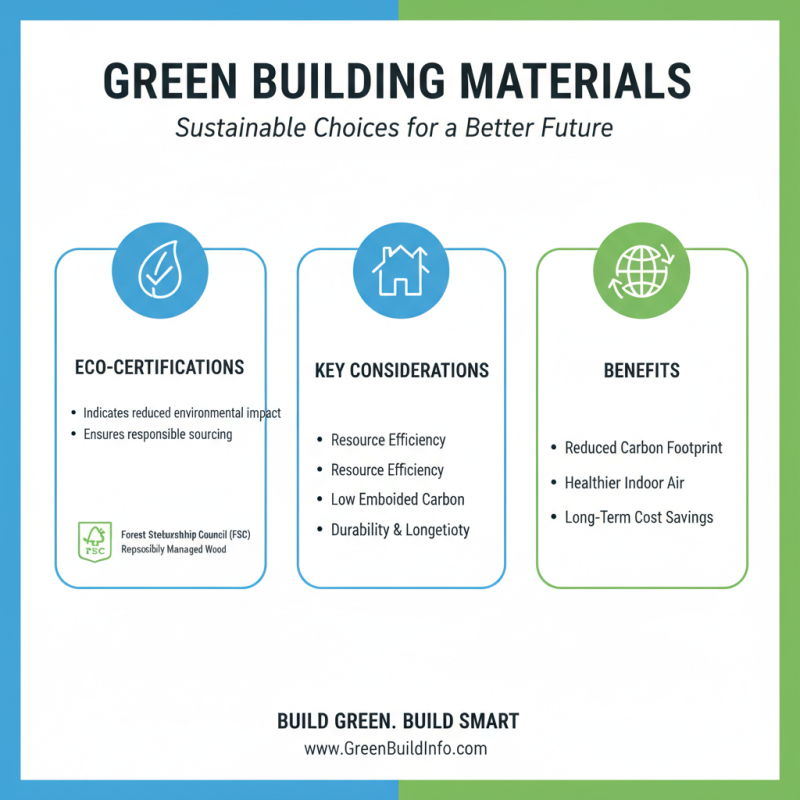
When choosing materials for green building projects, understanding sustainable options is crucial. Look for materials that have eco-friendly certifications. These certifications can indicate a product's environmental impact. For example, the Forest Stewardship Council (FSC) label shows wood sourced from responsibly managed forests. This is an important consideration for those who value sustainable forestry practices.

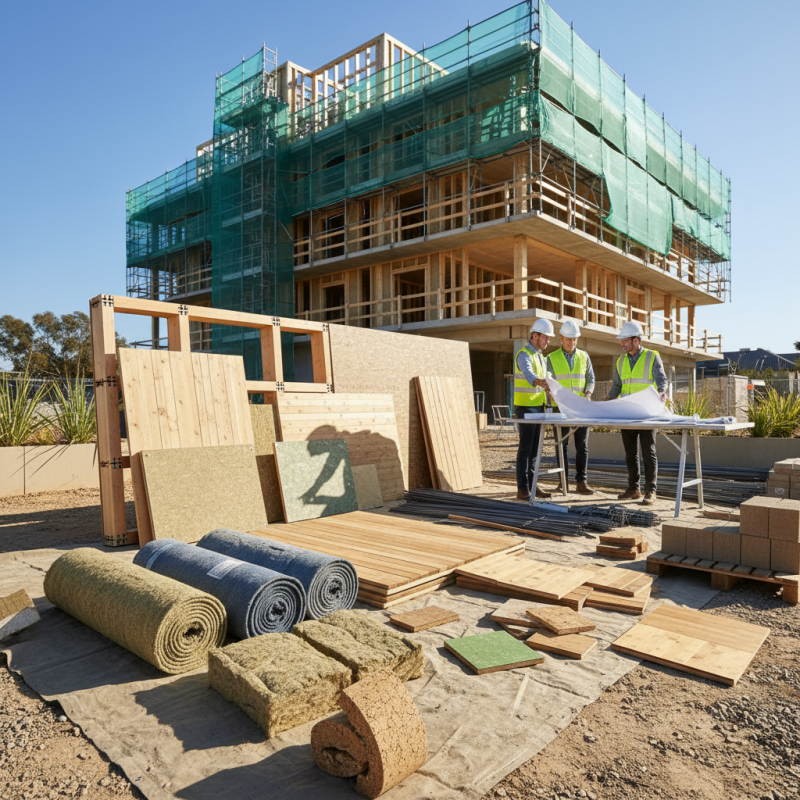
Recycled materials present another option. Many builders overlook the potential of reclaimed wood or recycled metal. These choices often have a lower carbon footprint. However, sourcing them can be tricky. You may encounter issues with quality or availability. Be prepared to assess each material carefully.

It's also essential to consider energy efficiency. Products like insulated concrete forms can enhance a building’s thermal performance. Still, verify their insulation ratings. Not all options are created equal. The journey to selecting sustainable materials involves ongoing research and evaluation. What works for one project may not suit another. Always remain open to learning and adapting your choices.

Evaluating Suppliers: Questions to Ask and Red Flags to Avoid

Choosing the right green building supply is crucial for any eco-friendly project. When you're evaluating suppliers, it helps to ask the right questions. Start by inquiring about their sourcing practices. Are materials sustainably harvested? Understanding the supply chain is essential. You want to ensure materials come from responsible sources.

Red flags can emerge during your conversations. If a supplier is vague about their environmental certifications, that's concerning. Transparency is key in building trust. Additionally, beware of suppliers who prioritize low costs over sustainability. They might cut corners that could harm the environment. A good supplier should have a commitment to quality and sustainability.

Consider the supplier's track record. Have they worked on similar projects before? Check their references carefully. It’s also good to see if they provide ample guidance or support. Suppliers should be willing to collaborate.

If their answers feel rehearsed or dodgy, think twice. Trust your instincts; if something feels off, it often is.

Assessing Project Needs: Matching Materials with Design and Functionality

How to Choose the Right Green Building Supply for Your Next Project?

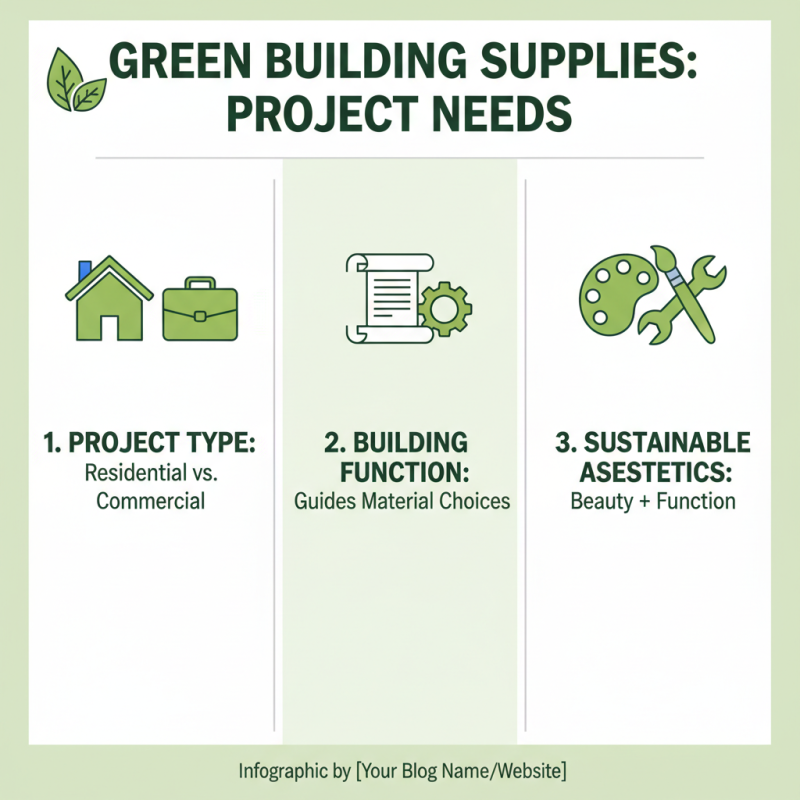
When selecting green building supplies, understanding project needs is crucial. Every project has unique requirements. Consider the building's purpose. Is it residential or commercial? The function will guide material choices. Look for sustainable options that also match aesthetics. A beautiful design should not compromise functionality.

For instance, utilizing reclaimed wood can offer charm. Yet, it may not always meet structural needs. Is it durable enough? Analyze the longevity and maintenance of materials. A trendy option might seem appealing, but how does it perform over time? Reflect on energy efficiency as well. Some materials perform better in insulation than others.

Think about the climate as well. Materials that thrive in one region might struggle elsewhere. It’s essential to do thorough research. Engage with knowledgeable professionals if necessary. A well-matched material can enhance the overall project, but mismatches can lead to challenges. Be open to reevaluating choices as you progress. The goal is to create a space that is both functional and sustainable.

Cost-Benefit Analysis: Balancing Quality, Sustainability, and Budget

When embarking on a green building project, cost-benefit analysis is crucial. It is essential to balance quality, sustainability, and budget. A recent report from the World Green Building Council indicates that green buildings can reduce energy use by up to 30%. This helps save on utility costs. However, the initial investment often appears higher. Beyond upfront costs, understanding the long-term financial benefits is vital.

Sustainable materials sometimes cost more. However, they offer durability and lower maintenance. For instance, using recycled steel can lead to a 50% decrease in energy consumption during production. Yet, the challenge remains. Some builders hesitate due to perceived high costs. A careful evaluation of lifecycle costs can demonstrate the economic advantages.

Investing in green supplies can be daunting. Some projects exceed budgets, and contractors may overlook cheaper yet sustainable options. Moreover, not all green products perform as claimed. Research from the U.S. Green Building Council highlights this gap. It is essential to scrutinize certifications and performance data. This reflection can lead to more informed choices.

How to Choose the Right Green Building Supply for Your Next Project?

Material Type Sustainability Rating Cost per Unit Durability (Years) Recyclability (%)
Recycled Steel 9/10 $2.50 50+ years 100%
Bamboo Flooring 8/10 $3.80 25 years 90%
Reclaimed Wood 9/10 $5.00 30+ years 100%
Cork Insulation 7/10 $4.50 20 years 70%
Wool Insulation 8/10 $6.00 25 years 80%