How to Choose Reliable Royal Building Solutions Suppliers?
Choosing reliable royal building solutions suppliers requires more than comparing prices on a website. It requires evidence, careful questions, and practical judgment. A trustworthy supplier should explain product specifications clearly. They should provide current certifications, testing records, and traceable material information. Ask where the products are manufactured and how quality is checked. Photos can help, but physical samples reveal more. Examine surface finishes, dimensions, packaging, and visible defects before placing a large order.
Experience also matters. Speak with contractors who have used the supplier on similar projects. Ask about delivery accuracy, damaged goods, technical support, and warranty responses. A dependable company can describe its process without avoiding difficult details. It should also confirm lead times in writing. Delayed tiles, panels, or fittings can disrupt an entire construction schedule. Check whether the supplier maintains consistent stock or relies on uncertain third parties. That distinction may not appear in a sales brochure.
No supplier is perfect. Small mistakes happen. The important question is how the company corrects them. Does it respond within one business day? Does it offer a practical replacement plan? Reliable communication often matters as much as product quality. Compare quotations carefully, including freight, taxes, installation guidance, and after-sales service. Independent verification is worthwhile. A professional inspection may cost less than correcting repeated failures later. By combining documented evidence, industry references, and direct experience, buyers can select royal building solutions suppliers with greater confidence and fewer unpleasant surprises.
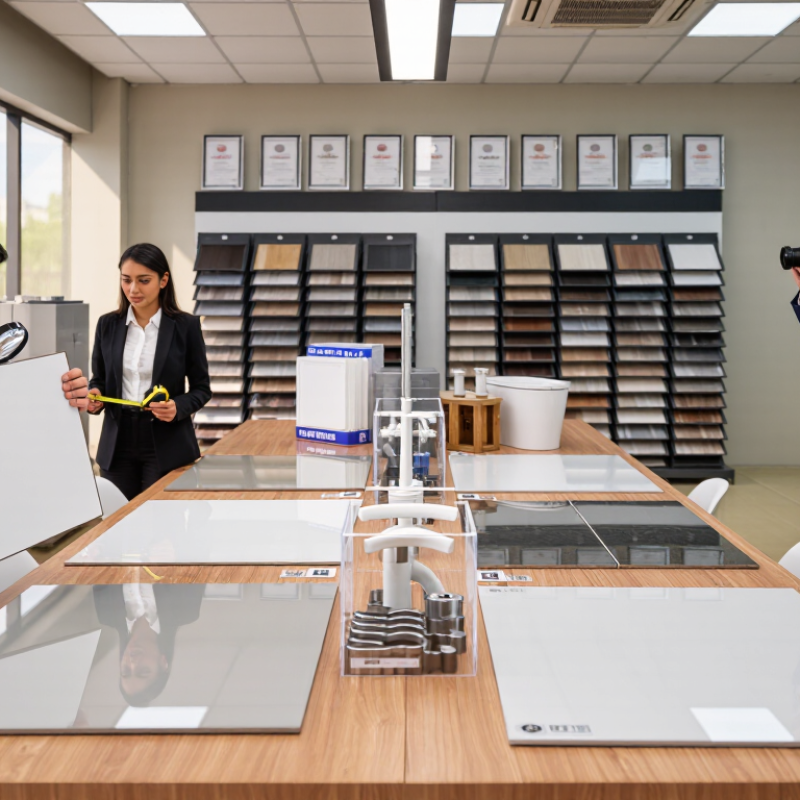
Define Your Royal Building Solutions Project Requirements
Define Your Royal Building Solutions Project Requirements
A dependable supplier search begins with a precise project brief. Describe the building’s purpose, floor area, location, occupancy, and expected service life. Record target costs, delivery dates, installation limits, and maintenance responsibilities. Include drawings, material preferences, performance standards, and local approval requirements. Vague requirements invite vague quotations.
Energy performance deserves early attention. The International Energy Agency’s Buildings 2023 report states that buildings consume about 30% of global final energy. The 2023 UNEP Global Status Report estimates that buildings and construction create 37% of global energy-related emissions. These figures make insulation, ventilation, lighting, and equipment efficiency practical procurement criteria. Ask suppliers for tested performance data, not attractive promises.
A comparison table can expose differences in warranty terms, lead times, technical support, and replacement access. Request product certificates, installation procedures, project references, and clear exclusions. Check whether the proposed solution fits your site conditions, including humidity, wind exposure, transport access, and available labor. Small details matter.
A neat spreadsheet can still hide a weak assumption. Recheck quantities with an independent estimator when the project is complex. Allow reasonable contingency, but do not use it to disguise missing specifications. During supplier meetings, ask how failures are handled after installation. Reliable answers should include named responsibilities, response times, inspection records, and evidence from comparable projects.
How to Choose Reliable Royal Building Solutions Suppliers?
Define Your Royal Building Solutions Project Requirements
Before comparing suppliers, define the requirements that matter most to your project. This suggested evaluation model gives the highest weight to product compliance, total cost, delivery reliability, technical support, and warranty coverage. Use these priorities to create a consistent supplier comparison checklist.
Identify Essential Supplier Qualifications and Industry Experience
How to Choose Reliable Royal Building Solutions Suppliers?
A reliable supplier should show more than attractive product photos. Ask for company registration, quality certifications, and documented project experience. Their engineers should understand structural loads, local weather, drainage, and installation limits. Request completed project records with dates, locations, and client references. Specific evidence matters. A supplier with ten years of experience may still lack experience with your building type. I once trusted a polished presentation too quickly, and missed important delivery details.
Tips: Review sample specifications before signing. Check material grades, coating thickness, testing methods, and expected service life. Ask who supervises installation and how problems are recorded. Visit a completed site when possible. Speak with previous clients about delays, communication, and after-sales support. A real conversation often reveals more than a certificate.
Reliable suppliers also maintain traceability from raw materials to final inspection. They should provide inspection reports, drawings, installation manuals, and clear warranty conditions. Their quotation must separate materials, transport, labor, and possible changes. Experienced teams usually explain risks without making unrealistic promises. That honesty is valuable. Still, no supplier is perfect, and project conditions can change. Ask how they handle damaged panels, measurement errors, or late shipments. Review their response in writing, not only during a meeting. Clear records build trust and make accountability easier.
Evaluate Product Quality, Compliance, and Technical Support
Choosing a reliable royal building solutions supplier requires more than comparing prices. Product quality should be verified through samples, test reports, and production records. Check the surface finish, dimensions, connection points, and packaging before approving a large order. A small sample can reveal uneven coating or weak edges.
Compliance is equally important. Ask for certificates, material declarations, fire ratings, and relevant testing evidence. Documents should match the exact product, not a similar model. Confirm whether the supplier follows local building codes and can support inspections. Traceable batch numbers also help when problems appear on site.
Technical support often separates a dependable supplier from a convenient one. Request clear installation drawings, maintenance guidance, and a named technical contact. During a project, delayed answers can stop several trades at once. Test the support process before signing: send a practical question and measure the response. Fast replies are useful, but accurate replies matter more. Not every supplier will provide perfect documentation. That is worth noticing. A missing detail may be harmless, or it may signal weak internal control. Review the evidence with an independent engineer when the application is complex.
Compare Pricing, Delivery Capabilities, and Contract Terms
Reliable building-solution suppliers should be compared through total cost, not headline price.
Request a line-by-line quotation covering materials, packaging, freight, duties, installation support, testing, and replacement parts. The World Bank’s 2023 Logistics Performance Index states that international shipments take about 44 days, with logistics activities consuming roughly 60% of total delivery time. A cheaper factory price may therefore create expensive project delays.
Delivery capability needs measurable evidence.
Ask for historical on-time delivery rates, monthly production capacity, quality inspection records, and backup plans for critical components. Require milestone dates for approval drawings, production, dispatch, and site arrival. Shorter lead times matter. However, rushed production can increase defects, so quality data must accompany every promise. The 2024 Supply Chain Planning Benchmark Report by the Association for Supply Chain Management highlights the importance of reliable planning metrics, including schedule adherence and order fulfillment performance. Suppliers should provide these figures, not vague assurances.
Contract terms deserve equal attention.
Fix product specifications, acceptable tolerances, inspection rights, packaging standards, payment milestones, and procedures for design changes. Define responsibility for delays, damaged cargo, and warranty claims. Include realistic delivery windows instead of attractive but fragile dates. Some contracts look professional yet leave key risks unclear. I have seen savings disappear through unclear exclusions and repeated change orders. Independent technical review can expose those gaps before deposits are paid. Always compare comparable offers, because different assumptions can make identical prices misleading.
Verify Supplier Reliability Through References and Site Assessments
How to Choose Reliable Royal Building Solutions Suppliers?
References reveal what a supplier delivers after the contract is signed. Ask for three recent projects with similar size, materials, and installation conditions. Contact the clients directly, not only through prepared testimonials. Discuss delivery accuracy, communication, defect handling, and support after handover. Request dated photographs, invoices, inspection records, and project timelines. These details help separate consistent performance from attractive promises.
A site assessment adds evidence that documents cannot provide.
Visit an active or completed project when possible. Check material quality, joint finishing, drainage, alignment, and weather protection. Observe whether workers follow clear safety procedures and organized installation plans. Ask the site manager about changes, delays, and replacement parts. A clean showroom proves little. I once valued presentation too highly, and that judgment needed correction. Real performance is usually less polished.
Tips: Bring a checklist and record observations immediately. Compare the supplier’s drawings with visible construction details. Speak with installers, not only sales staff. Review warranty terms carefully, including response times and exclusions. If a supplier avoids reasonable questions, pause before committing. Independent engineering advice may cost more, but it can expose hidden risks. Even experienced buyers miss small details.