How to Choose Lowe's Building Materials for Your Next Project?

Choosing the right building materials is crucial for your project. Lowe's building materials offer a vast selection for any construction or renovation. Mike Hargrove, a construction expert, emphasizes, "Selecting the right materials can make or break your project."

When you step into a Lowe's store, the options can feel overwhelming. From lumber to tiles, each choice impacts durability and aesthetics. It’s essential to be detailed and intentional about your selections. Quality can vary significantly, and not every product meets high standards.

Consider your project's needs carefully. Understand the environment and the intended use of materials. Overall, balancing cost and quality with Lowe's building materials requires reflection and informed decisions. Making a choice is not just a task; it should reflect your vision and practicality.
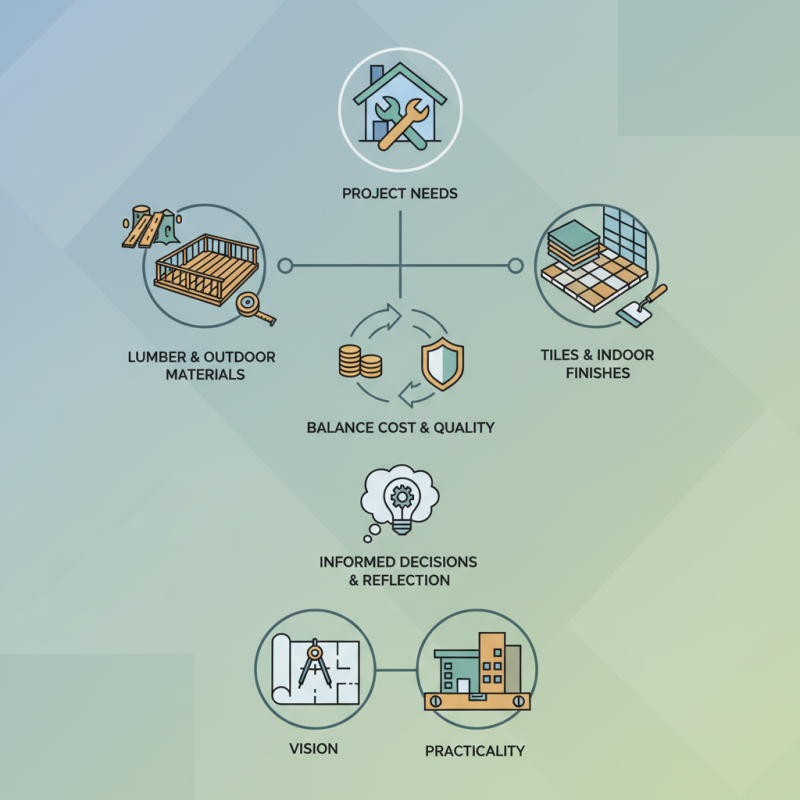
How to Choose Lowe's Building Materials for Your Next Project?

Understanding Your Project Requirements and Goals

When planning a construction project, understanding your requirements and goals is crucial. Start by evaluating the scope of your project. Are you renovating a room or building a new structure? According to a report by the National Association of Home Builders, 80% of successful projects begin with clear objectives. Define your budget early. A budget helps guide material selection. Without it, you might overspend on unnecessary features.

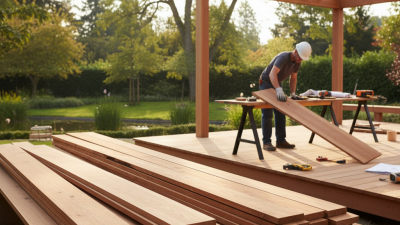
Next, consider the functionality of your materials. For instance, if you're building a deck, weather-resistant materials are essential. The American Wood Council states that using quality wood can prolong the lifespan of your project by up to 20 years. However, balancing durability and cost can be challenging. Choosing high-end materials may lead to better performance but could strain your finances.

Think about the aesthetic aspect too. The right materials can enhance a project’s visual appeal. Yet, trends change rapidly. A report from the Home Trend Institute shows that color and design preferences shift every few years. What is trendy today might look outdated tomorrow. This cycle can create pressure. Ensure your choices reflect both personal tastes and .

Identifying the Right Building Materials for Your Needs

How to Choose Lowe's Building Materials for Your Next Project?

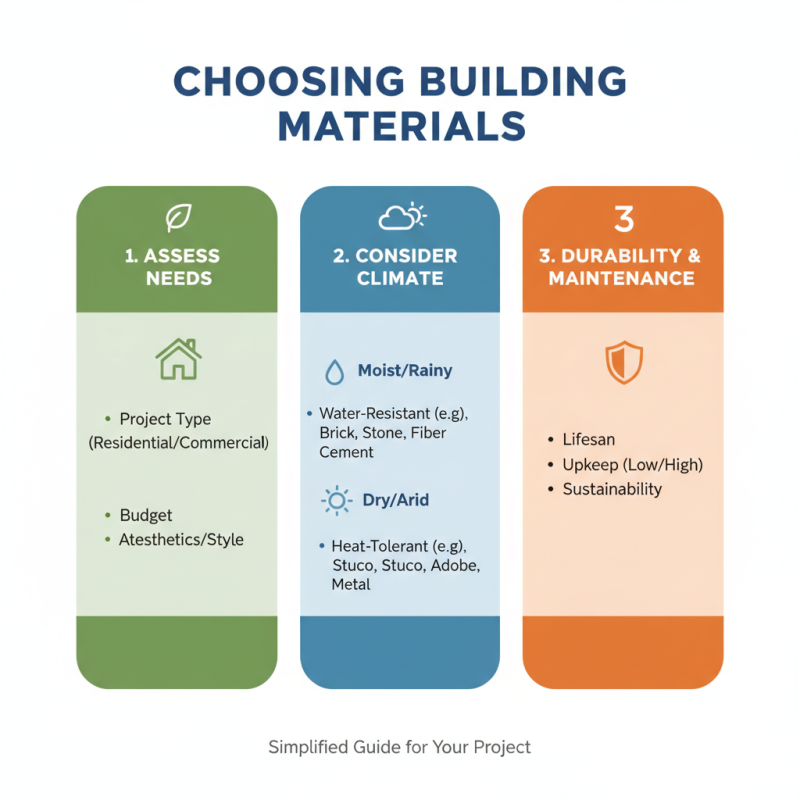
Choosing the right building materials for your project can be overwhelming. Start by assessing your specific needs. Different projects require different materials. Think about the climate in your area. Some materials stand up better to moisture, while others may work best in dry conditions.

Consider the purpose of your project. Will it be decorative, functional, or both? For a garden shed, you might prioritize durability over aesthetics. Look at the types of materials available in your area. Sometimes local availability can affect your choices.

Don't forget to factor in your budget. Some materials are pricey but may save money in the long term. Reflect on the environmental impact, too. Sustainable materials can have long-lasting benefits. Be honest about your skills. If a material requires special knowledge, it may be best to hire help.

Evaluating Quality and Durability of Lowe's Products

When choosing building materials, quality and durability are key. It’s essential to analyze various options carefully. Look for products that offer solid warranties. These often indicate a manufacturer’s confidence in their durability. Check for certifications or ratings that demonstrate the materials can withstand wear and energy efficiency.

Performing a physical inspection can be revealing. Hold the materials, feel their weight. Lightweight could mean poor quality. Examine the finishes as well. A uniform texture can suggest a more reliable product. Remember to consider the environmental impact too. Sustainable materials may offer great durability and lower your carbon footprint.

Don’t hesitate to seek customer reviews. Real-world experiences can highlight potential drawbacks. Some products may look good in theory but fail under pressure. Pay attention to any negative feedback, especially about longevity. While every project has its challenges, prioritizing quality will ultimately save you time and money. Choose wisely and reflect on your decisions as you go.

How to Choose Building Materials for Your Next Project? - Evaluating Quality and Durability of Products

Material Type Quality Rating Durability (Years) Price Range ($) Best Use
Plywood 8/10 20 25 - 50 Flooring, Walls
Concrete 9/10 40 75 - 150 Foundations, Driveways
Steel 10/10 50 100 - 200 Frames, Structural
Vinyl Siding 7/10 30 2 - 5 per sq ft Exterior Walls
Wood Decking 8/10 15 20 - 40 Decks, Outdoor Spaces

Comparing Prices and Budget Considerations

When selecting building materials for your project, price comparison is crucial. Prices can vary significantly. Some materials may appear affordable upfront but come with hidden costs. Always consider the longevity and maintenance of the materials. A cheaper choice might lead to expensive repairs later.

Budget considerations require careful planning. Start by outlining your budget clearly. Identify essential materials versus those that can be sacrificed. For instance, framing can often be simplified. It can save you money without compromising safety. Another point to reflect on is bulk purchasing. Sometimes, buying in larger quantities can yield discounts. However, it’s essential to assess your actual needs to avoid waste.

Don’t overlook specific needs like insulation or energy efficiency. While they may seem costly, they offer savings in the long run. Ultimately, every decision impacts your project’s overall cost and effectiveness. Aim for a balance between cost and quality. This ensures your project will stand the test of time and fit within financial limits.

Comparative Analysis of Building Materials Cost

Consulting Experts and Utilizing Resources for Material Selection

How to Choose Lowe's Building Materials for Your Next Project?

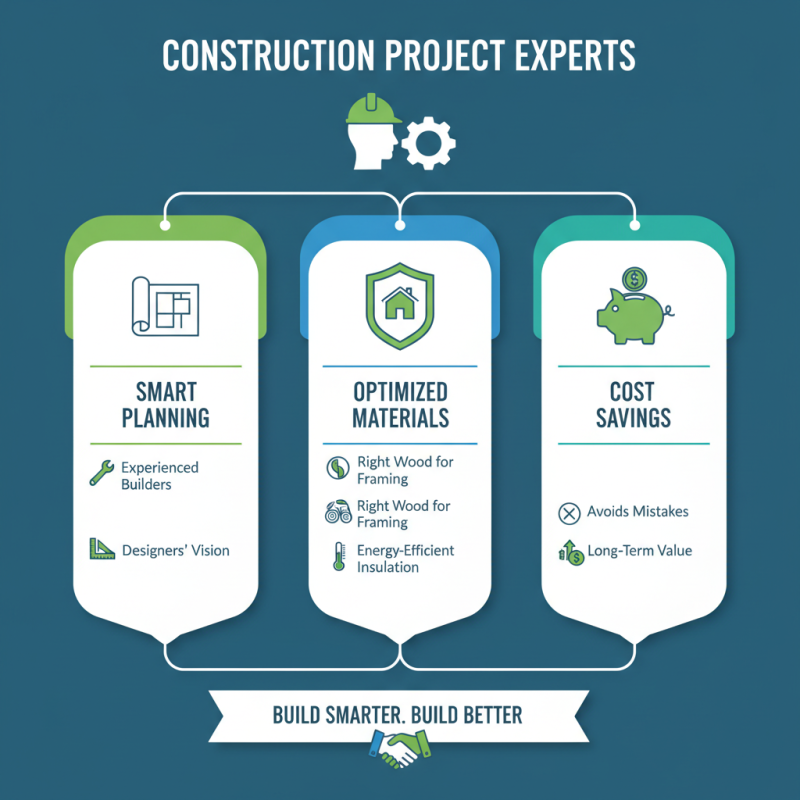
When embarking on a construction project, consulting experts can make a significant difference. Professional builders and designers bring valuable experience. They can suggest suitable materials based on the project’s unique requirements. For instance, they can help you understand the best wood types for framing or the ideal insulation materials for energy efficiency. Their insights can help you avoid costly mistakes.

Exploring various resources is also essential. Online calculators and material estimation tools can inform you about quantities and costs. Local supplier catalogs provide visual references and specifications. However, navigating through these options can be overwhelming. You may find yourself unsure about the right choices. Engaging in online forums or local workshops can provide clarity. Hearing others’ experiences can guide you in making better selections. Always remember, it’s okay to take time to reflect on your decisions. Choosing the right materials is crucial for long-term satisfaction.