How to Choose the Best Lansing Vinyl Siding for Your Home?

When selecting the best Lansing vinyl siding for your home, it’s essential to consider various factors. The siding you choose affects your home’s aesthetics, energy efficiency, and overall value. According to a recent industry report by Remodeling Magazine, vinyl siding offers a return on investment of about 75%. The resilience of Lansing vinyl siding makes it an excellent choice for various climates.

Industry expert Mark Johnson emphasizes, "Choosing quality vinyl siding can transform not just your home’s exterior but also its long-term performance." This highlights the importance of quality materials. Different grades of vinyl siding exist, making it vital to research your options. Homeowners should also consider local environmental factors before making a purchase.

Moreover, while many homeowners think aesthetics alone matter, they should also reflect on durability and maintenance. Cheaper alternatives might save money now but could lead to higher costs in repairs later. Therefore, investing in high-quality Lansing vinyl siding can pay off in the long run. Consider your needs carefully to ensure a wise decision.
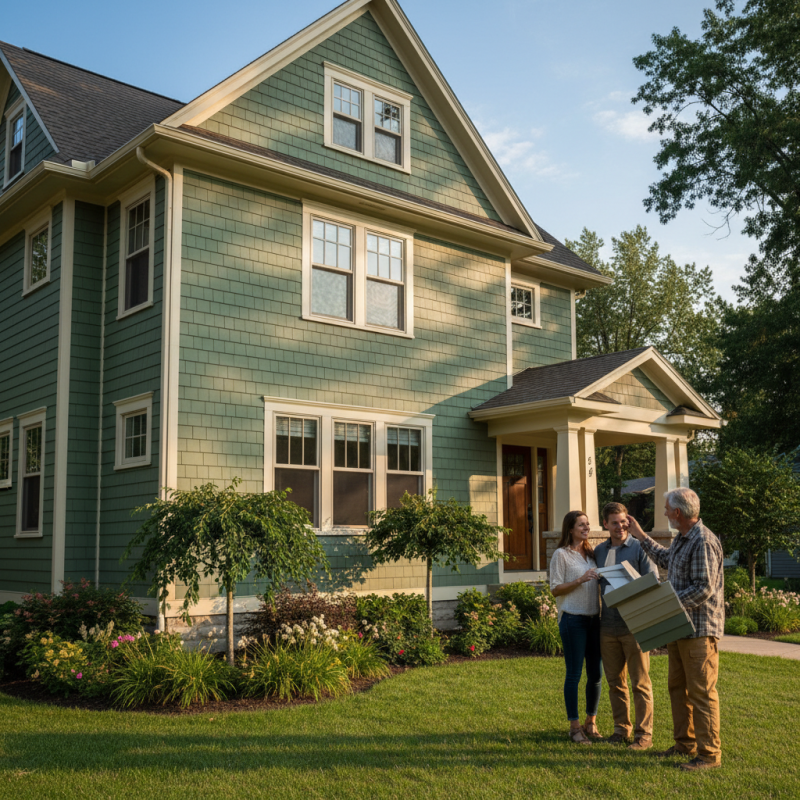
How to Choose the Best Lansing Vinyl Siding for Your Home?

Understanding the Types of Vinyl Siding Available in Lansing Market

When selecting vinyl siding, it's crucial to understand the types available in the Lansing market. There’s a wide range to consider, including traditional, insulated, and specialty styles. Each type serves unique purposes and aesthetic preferences. Traditional vinyl siding is economical, offering a classic look for many homes. Insulated siding adds extra energy efficiency but can be pricier. Specialty styles, such as shake or board-and-batten, can create a distinct appearance but may require more maintenance.

Color options are also extensive. You’ll find hues that complement your neighborhood or stand out for a bold look. However, darker colors can absorb more heat, which might lead to warping over time. Choosing the right finish is another decision. Smooth finishes are easy to clean and maintain, while textured finishes can hide imperfections but may accumulate dirt more easily.

Consider durability and longevity as well. Not all vinyl siding withstands weather changes equally. It's wise to think about the climate in Lansing. Extreme temperatures and heavy snowfall can impact the siding's lifespan. Take time to weigh these factors, as they can directly affect your home's appearance and efficiency. This process requires careful thought, and it's okay to feel unsure about which option fits best.

Evaluating Energy Efficiency Ratings for Vinyl Siding Options

When choosing vinyl siding, energy efficiency is crucial. Many homeowners overlook it. Vinyl siding can significantly affect heating and cooling costs. According to the U.S. Department of Energy, proper insulation can lead to a 20% reduction in energy bills. This statistic makes energy ratings essential when assessing vinyl siding options.

Look for the Energy Star label. Products with this label meet strict energy efficiency guidelines. These guidelines can help reduce your carbon footprint. However, not all vinyl siding carries this certification. Take time to research and ensure the product meets high energy standards. Understanding the insulation properties of various siding types is vital. For example, insulated vinyl siding can offer up to five times the thermal performance of traditional siding.

Evaluate the R-value, which measures thermal resistance. A higher R-value indicates better insulation. Reports suggest that insulated vinyl siding often has an R-value of 3 to 5. This range can dramatically decrease energy costs over time. However, some products may not perform as expected. Always check third-party reviews and energy ratings. This diligence can lead to better decisions and a more comfortable home environment.

How to Choose the Best Lansing Vinyl Siding for Your Home? - Evaluating Energy Efficiency Ratings for Vinyl Siding Options

Vinyl Siding Type R-Value Warranty (Years) Color Options UV Resistance
Traditional Vinyl 2.5 25 10 Low
Insulated Vinyl 4.0 30 22 Medium
Cellular PVC 3.0 50 15 High
Vinyl Composite 3.5 40 12 Medium
Ribbed Vinyl 3.2 20 8 Low

Comparing Thickness and Durability of Leading Lansing Vinyl Brands

How to Choose the Best Lansing Vinyl Siding for Your Home?

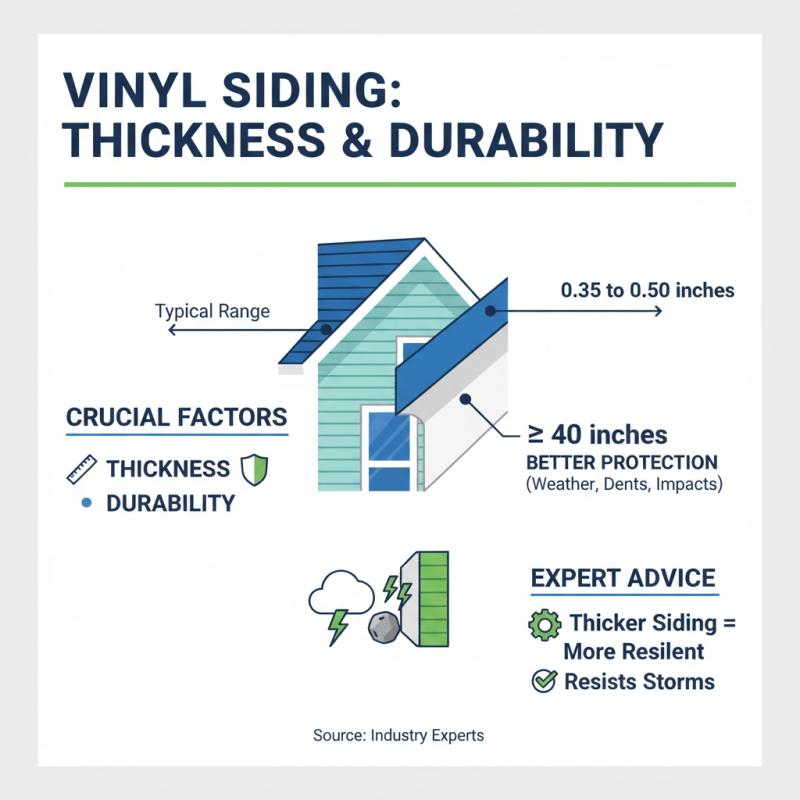
When it comes to choosing vinyl siding, thickness and durability are crucial factors to consider. Many industry experts suggest that a thickness of 0.40 inches or greater offers better protection against weather elements. Vinyl siding typically ranges from 0.35 to 0.50 inches. Thicker materials usually resist dents and impacts better, which can be vital in areas prone to storms.

However, not all thick vinyl siding is of high quality. Some might look robust but may lack flexibility or weather resistance. A report from the Vinyl Siding Institute noted that high-quality vinyl siding can last over 30 years with proper maintenance. Color retention and UV protection also matter, as these attributes influence siding longevity.

Tips: Check warranty options. A longer warranty often indicates higher durability. Inquire about the siding's resistance to warping and fading. Avoid products that do not provide specifications on performance testing. Ultimately, while thickness is important, the overall quality and composition of the vinyl siding should guide your choice.

Analyzing Aesthetic Appeal: Colors and Textures in Vinyl Siding

When selecting vinyl siding for your home, aesthetic appeal is crucial. The colors and textures you choose can significantly impact your property’s appearance. Bright shades may make your house stand out, while earthy tones offer subtle elegance. Think about how different colors complement your landscaping. Consider also the style of your home – modern homes often pair well with sleek, dark colors, while traditional homes look great in lighter, warmer hues.

Textures add another layer of interest. Smooth vinyl is sleek, but textured options mimic wood or stone, providing depth. A rustic texture can enhance a country-style home, while a clean finish suits contemporary designs. Play with the idea of mixing textures; it can create unique contrasts that reflect your personality.

Tips: Take a small sample home. Observe how it looks at different times of the day. You might be surprised by how colors change with the light. Also, don’t ignore potential flaws. Imperfections can give your home character, but they can also be distracting. Make sure the overall look is cohesive, not overwhelming. Think carefully about what each detail communicates about your style!

Assessing Installation Costs and Maintenance for Vinyl Siding Choices

Choosing the right vinyl siding involves careful consideration of installation costs and maintenance. Installation costs can vary widely based on materials and labor. A homeowner might pay more for intricate patterns or colors. On average, homeowners can expect to spend between $2 to $7 per square foot. This range can stretch if you include additional features like insulation or special finishes.

Maintenance is another critical factor. Vinyl siding is low-maintenance but not maintenance-free. Over time, it can collect dirt and grime. Expect to clean it once a year with a mild detergent solution. For stubborn stains, a soft brush might be necessary. Keep in mind that while vinyl siding does resist fading, some colors may lose their vibrancy after multiple years.

Perhaps the most significant aspect to reflect on is the long-term investment. Vinyl siding can enhance your home’s curb appeal and value. However, if poorly installed, it may lead to issues like warping or gaps. Homeowners should weigh the quality of installation against costs. Ultimately, taking the time to assess these factors is essential for a satisfying choice.