2026 Best Building Materials for Sustainable Construction Solutions?

In the quest for sustainable construction, the choice of building materials is crucial. Leading expert in sustainable architecture, Dr. Emily Thompson, once stated, “The materials we choose define the future of our planet.” Her words resonate deeply as society grapples with environmental challenges.

Building materials do not just serve structural purposes; they impact energy consumption and resource depletion. Many traditional materials have high carbon footprints. In contrast, sustainable alternatives can reduce waste and promote eco-friendliness. However, the transition to these materials often faces hurdles. Education on their benefits and availability remains limited.

Not all "green" options deliver on their promises. Some sustainable materials may lack durability or increase costs. It's vital to assess their long-term viability. Architects and builders need a balanced view of aesthetics, performance, and sustainability. The future of construction hinges on informed choices in building materials.

2026 Best Building Materials for Sustainable Construction Solutions?

2026 Overview of Sustainable Building Materials in the Construction Industry
2026 Best Building Materials for Sustainable Construction Solutions?

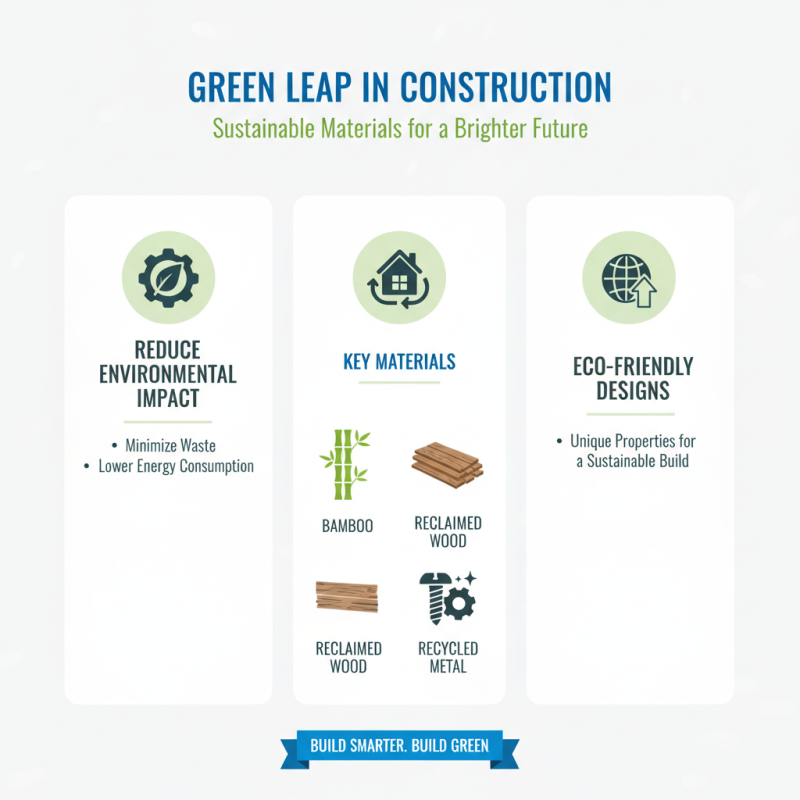
The construction industry is evolving rapidly. Sustainable building materials are gaining attention. They play a crucial role in reducing environmental impact. These materials can minimize waste and lower energy consumption. Some options include bamboo, reclaimed wood, and recycled metal. Each has unique properties that contribute to eco-friendly designs.

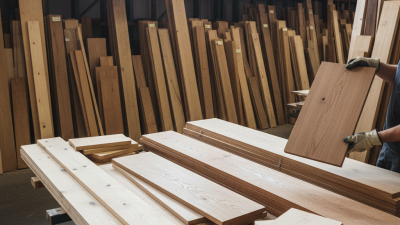
Bamboo stands out due to its fast growth and strength. It is lightweight but durable. However, sourcing it can be challenging and must be done responsibly. Reclaimed wood offers a rustic charm. It reduces deforestation but may require extra care during installation. Recycled metal is incredibly recyclable, yet its production process can generate emissions. Understanding these materials is key.

Many builders still overlook sustainable options. Cost and availability can be barriers. Education is essential for changing mindsets. Builders must rethink traditional methods. Embracing sustainable materials can lead to innovative designs. However, practitioners should remain aware of potential flaws and limitations. Continuous improvement is necessary in this ever-changing field.

Key Performance Metrics for Sustainable Building Materials in 2026

As the demand for sustainable construction solutions grows, understanding key performance metrics for building materials is essential. In 2026, materials must focus on energy efficiency. High thermal insulation is a major factor. It reduces energy consumption significantly. Effective materials can lower heating and cooling costs. This leads to a smaller carbon footprint.

Another critical metric is durability. Sustainable materials should withstand time and elements. Longevity ensures less frequent replacements, which in turn conserves resources. The impact of weather on materials is vital. Regular maintenance may still be required. This raises questions about practicality.

Finally, the sustainability of sourcing is crucial. Materials sourced from renewable resources can positively affect overall sustainability. Yet, transportation emissions are a concern. Local sourcing can mitigate this issue but might limit options. Balancing environmental impact and aesthetic appeal is a challenge. The need for innovation is clear.

2026 Best Building Materials for Sustainable Construction Solutions

Material Type Sustainability Rating Recyclability (%) Carbon Footprint (kg CO2/ton) Durability (years) Cost per Unit ($)
Recycled Steel A+ 99 400 50 600
Bamboo A 85 50 20 200
Cork A 90 30 40 150
Recycled Concrete B+ 80 110 30 120
Hempcrete A 75 75 50 250

Innovative Technologies Driving Sustainable Construction Materials in 2026

The future of sustainable construction is driven by innovative technologies. In 2026, builders are expected to utilize advanced materials that reduce carbon footprints. Recent reports indicate that 40% of global emissions come from construction. Therefore, alternatives are crucial.

Recyclable materials are gaining popularity. These include engineered timber and plastic composites. They can be produced using less energy than traditional materials. Studies suggest that using recycled content can decrease waste by up to 70%. This approach not only cuts costs but also aids in resource conservation.

Tip: Always consider the source of your materials. Sourcing locally can significantly reduce transportation emissions and support the community.

Bio-based materials are also on the rise. Innovations in bio-resins and insulation made from agricultural byproducts are promising. However, not all of these are practical yet. Challenges remain, such as cost and performance under various conditions.

Tip: Evaluate different options based on long-term sustainability rather than just initial savings. It’s essential to balance innovation with practicality to ensure lasting impact.

2026 Sustainable Construction Materials

Impact of Sustainable Materials on Reducing Carbon Footprint in Construction

Sustainable materials hold significant potential in reducing the carbon footprint of construction. A recent report from the World Green Building Council notes that the building sector contributes around 39% of global carbon emissions. By switching to eco-friendly materials, we could dramatically cut this figure. For instance, using recycled steel can reduce emissions by up to 75% compared to traditional steel.


One compelling example is the use of bamboo. This fast-growing plant absorbs more CO2 than many trees, making it an ideal building material. Moreover, concrete alternatives like hempcrete show promise. Hempcrete is lighter and less carbon-intensive than regular concrete. The International Energy Agency (IEA) states that transitioning to sustainable materials could help decrease emissions by 20% annually.


Tips: Consider local sourcing. Reducing transportation emissions is vital. Additionally, assess potential long-term savings from energy-efficient materials. Short-lived materials often lead to increased waste and higher costs in the long run. Sustainable choices not only help the environment but also build resilience in our communities.

Case Studies of Successful Sustainable Building Projects Using 2026 Materials

2026 Best Building Materials for Sustainable Construction Solutions?

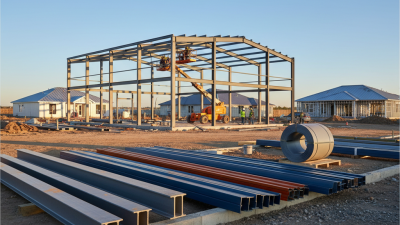
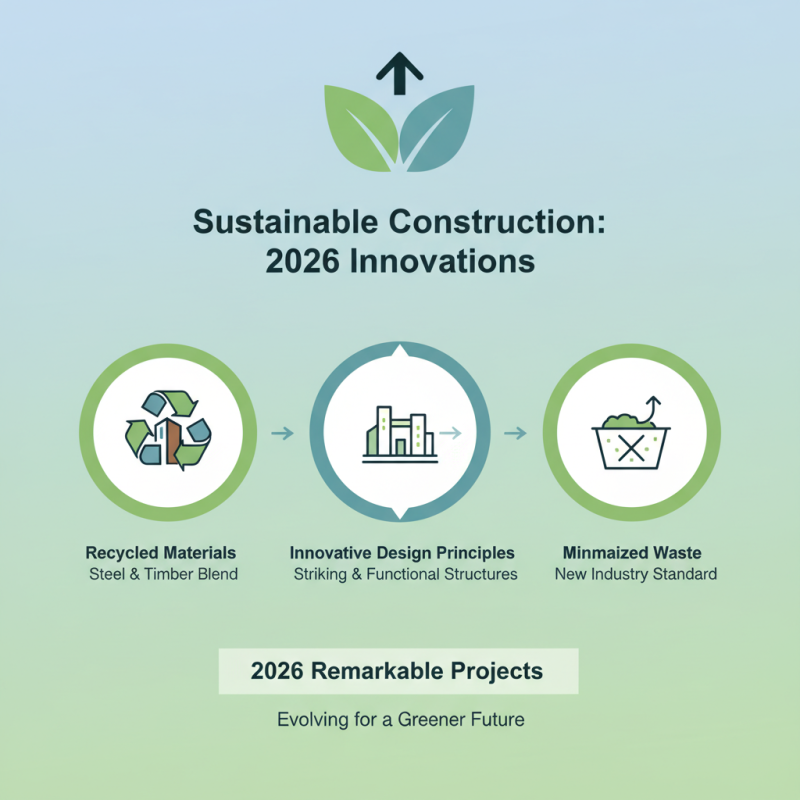
Sustainable construction is evolving. The materials used in building projects are crucial. In 2026, several remarkable projects showcased innovative materials and design principles. One project utilized recycled steel and timber. This blend created a striking yet functional structure. By minimizing waste, it set a standard for future constructions.

Another successful case featured biocomposite materials. These materials are made from organic fibers, which reduce carbon footprints. The architects emphasized natural lighting and ventilation. This approach improved energy efficiency. However, challenges arose with durability. Some components required regular maintenance, prompting a need for better research.

A third example is a modular building constructed from hempcrete. This material provides excellent insulation. The building is energy-efficient, but scaling production has been difficult. Sourcing raw hemp has proven to be a hurdle. Despite these setbacks, the effort towards sustainability is commendable. The journey is ongoing, and each project offers valuable lessons.